Category: Home services

  • Why Proper Water System Installation and Regular Care Matter

    Why Proper Water System Installation and Regular Care Matter

    Water treatment systems have become an important part of modern property management. Homeowners want cleaner drinking water, fewer mineral deposits, and better protection for their plumbing and appliances. Businesses need dependable water for kitchens, offices, manufacturing, cleaning, and customer services. Yet, buying a quality treatment unit is only one part of the process. How the system is installed, repaired, and maintained can make a major difference in its performance.

    A water treatment system should not be viewed as a simple appliance that works without attention. It is part of a property’s plumbing infrastructure. If the equipment is incorrectly sized, poorly connected, or neglected after installation, it may fail to deliver the expected results. With thoughtful planning and regular care, however, a water system can provide reliable benefits for many years.

    Start by Understanding Your Water Needs

    Before choosing any treatment equipment, it helps to understand the property’s water source and the problems that need to be addressed. Municipal water, private well water, and other supply sources can have very different characteristics.

    Some homes struggle with hard water, which can create scale on faucets, showerheads, and water heaters. Others may experience chlorine taste, sediment, iron staining, sulfur odors, or concerns about dissolved contaminants. Businesses and farms may have additional requirements related to water volume, pressure, irrigation, food preparation, or equipment protection.

    Water testing is an important first step because it identifies the substances present in the supply. A system selected without testing may solve one issue while leaving another untouched. For example, a water softener can reduce hardness but is not designed to remove every chemical or microorganism.

    Understanding the problem first makes the rest of the process much more straightforward.

    Why Professional System Installation Matters

    The installation stage has a direct effect on how well a treatment system performs. Even advanced equipment can struggle if it is connected incorrectly or placed in an unsuitable location.

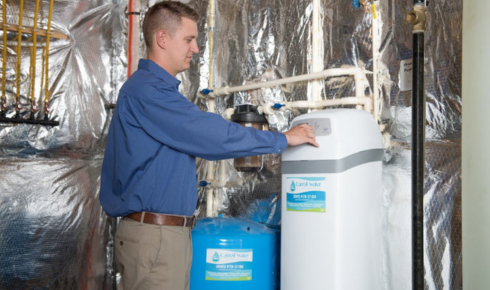
    Professional system installation involves more than attaching pipes. The installer must consider water pressure, flow rate, drainage, electrical requirements, plumbing configuration, bypass valves, and available service space. Equipment should also be positioned where filters, tanks, membranes, and other components can be accessed easily.

    Incorrect installation may lead to leaks, pressure loss, poor filtration, excessive wastewater, or premature equipment damage. In some cases, a system may appear to operate normally while failing to treat water effectively.

    A qualified installer can also ensure that the system is properly configured for the property’s demand. A small household may require a different setup from a large family, office, restaurant, or agricultural facility. Correct sizing helps prevent performance problems during periods of high usage.

    Choosing the Right Location for Treatment Equipment

    The location of a water treatment system is often overlooked, but it matters more than people expect. Equipment should be installed in a dry, accessible area with enough room for servicing and replacement.

    The installation site should provide protection from extreme temperatures, flooding, direct damage, and unnecessary exposure to moisture. For systems that require electricity, appropriate electrical safety measures must also be followed.

    Drainage is another important consideration. Water softeners and reverse osmosis systems may discharge wastewater during regeneration or filtration. If drainage is not designed correctly, it can cause backups, moisture damage, or operational problems.

    A professional can assess the available space and recommend a layout that balances convenience, safety, and long-term access.

    Recognizing When Repairs Are Necessary

    Like any mechanical or plumbing equipment, water treatment systems can develop problems. Some warning signs are easy to notice, while others may appear gradually.

    Common signs that a system may need attention include:

    • Reduced water pressure
    • Unusual noises from pumps or valves
    • Leaking connections or housings
    • Changes in water taste or odor
    • Cloudy or discolored water
    • Increased salt or water consumption
    • Filters that clog unusually quickly
    • Water softener regeneration problems
    • A return of scale or staining

    Ignoring these symptoms can make a small issue more expensive. A loose fitting may become a leak, while a clogged filter can place extra pressure on other components. If treated water no longer seems consistent, the system should be inspected rather than assuming the issue will disappear.

    Professional repairs can involve replacing damaged valves, fixing leaks, changing membranes, servicing pumps, cleaning tanks, correcting electrical faults, or recalibrating control settings. The exact repair depends on the equipment and the underlying cause.

    Maintenance Is Essential for Long-Term Performance

    Regular maintenance is what keeps a water treatment system working as intended. Filters become saturated, membranes lose efficiency, UV lamps weaken over time, and moving components can wear down through repeated use.

    The required maintenance schedule depends on the system type and water conditions. A home with heavy sediment may need more frequent filter changes than a property with relatively clean municipal water. Similarly, a reverse osmosis membrane may last longer when its pre-filters are replaced on schedule.

    Routine maintenance may include:

    • Replacing filter cartridges
    • Checking salt levels in water softeners
    • Inspecting tanks, housings, and fittings
    • Cleaning components where recommended
    • Testing treated water quality
    • Checking pressure and flow
    • Replacing reverse osmosis membranes
    • Changing UV lamps
    • Inspecting valves and control systems

    Following the manufacturer’s recommendations is a useful starting point. However, actual water conditions and usage levels may require a more frequent schedule.

    The Importance of Using Compatible Parts

    When a component needs replacement, choosing the correct part is important. Filters, membranes, O-rings, fittings, valves, and tubing must be compatible with the system. Using an unsuitable component can cause leaks, poor performance, or damage to other equipment.

    Homeowners should avoid selecting replacement parts based only on appearance. Two cartridges may look similar but have different filtration ratings, dimensions, connection types, or pressure limits.

    Keeping a record of the model number and installation details can make future servicing easier. It is also helpful to work with a supplier or technician who can confirm compatibility before a part is installed.

    Commercial and Agricultural Systems Need Extra Planning

    Residential water treatment systems are often designed around predictable household usage. Commercial and agricultural systems may face much greater demands and more variable conditions.

    Restaurants, hotels, laundries, manufacturing facilities, and healthcare properties may require high flow rates and consistent treatment throughout the day. Farms may need water for irrigation, livestock, greenhouses, cleaning, or crop processing. In these settings, equipment failure can affect productivity and create significant operational costs.

    Commercial systems may require monitoring, larger filtration capacity, storage tanks, backup components, and scheduled servicing. Agricultural systems may need additional consideration for salinity, iron, sediment, microbial quality, and irrigation equipment protection.

    A professional assessment helps ensure that the treatment system is designed around actual demand rather than a generic household model.

    Planning a Maintenance Schedule

    A maintenance schedule does not have to be complicated. A simple record can include filter replacement dates, service visits, water test results, salt additions, and any unusual changes in system performance.

    Homeowners may choose to inspect the equipment monthly and arrange professional service once or twice a year, depending on the system. Businesses and farms may require more frequent checks because of higher usage and the importance of uninterrupted operations.

    It is also wise to keep basic replacement supplies available. Waiting several days for a filter or fitting can be frustrating, especially when the system supports essential household or business activities.

    Final Thoughts

    A water treatment system is a long-term investment, not just a one-time purchase. Proper installation establishes a strong foundation, while timely repairs and regular maintenance help protect performance and extend equipment life.

    The process begins with understanding the water problem and selecting equipment that matches the property’s needs. From there, professional installation, routine inspections, compatible replacement parts, and a practical service schedule can make the system more dependable.

    When water treatment is approached as an ongoing responsibility rather than a set-it-and-forget-it product, homeowners, businesses, and agricultural operators are better positioned to enjoy cleaner water, fewer disruptions, and greater peace of mind.
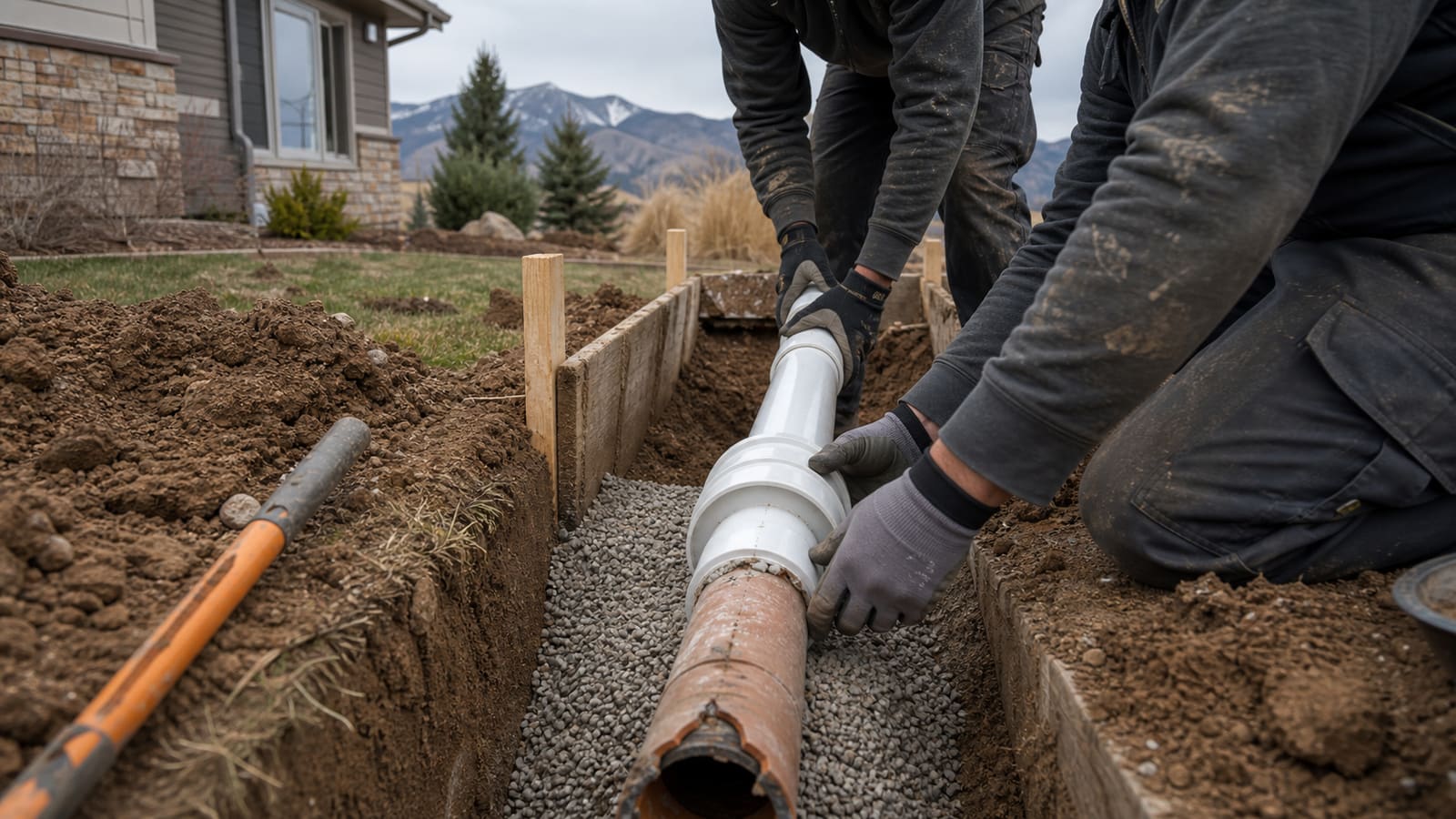

  • A Practical Guide to Choosing Plumbing Services for a Safer, More Comfortable Home

    A Practical Guide to Choosing Plumbing Services for a Safer, More Comfortable Home

    Plumbing is one of those parts of a home we rarely think about until something goes wrong. A dripping faucet might seem harmless, but a hidden leak, a failing water heater, or a damaged sewer line can quickly turn into an expensive and stressful problem. Good plumbing is not just about fixing emergencies. It’s about keeping water flowing safely, protecting the structure of your property, and making everyday life easier.

    Whether you’re dealing with a minor repair or planning a larger plumbing project, choosing the right professional matters. Experienced plumbers can identify problems accurately, explain the available options, and complete work that lasts. More importantly, they help homeowners avoid temporary fixes that often create bigger issues later.

    Why Professional Plumbing Services Matter

    Some plumbing problems are simple enough to handle with basic tools and a little patience. Replacing a faucet washer or clearing a small drain blockage may not require professional assistance. However, more complicated issues often need specialist knowledge, proper equipment, and a clear understanding of local plumbing systems.

    Professional plumbers bring more than technical skills. They can recognize warning signs that may not be obvious to an untrained homeowner. For example, low water pressure might be caused by a clogged aerator, but it could also point to a damaged pipe, a hidden leak, or a problem with the main water supply.

    Using reliable plumbing services gives homeowners access to trained professionals who can investigate the real cause instead of simply treating the visible symptom. This approach can save money over time and reduce the chance of repeated repairs.

    Common Plumbing Problems Homeowners Face

    Every property has its own plumbing challenges, but several issues appear more frequently than others. Leaking faucets, running toilets, clogged drains, burst pipes, low water pressure, and water heater problems are common reasons people call a plumber.

    A small leak under the sink may seem insignificant, yet constant moisture can damage cabinets, encourage mold growth, and weaken flooring. Similarly, a slow drain can be an early warning that buildup is developing deeper inside the pipe. Waiting until the drain stops working completely often makes the repair more complicated.

    Other problems are more urgent. A burst pipe, major sewage backup, or suspected gas leak requires immediate attention. In these situations, homeowners should avoid experimenting with DIY solutions and contact a qualified professional as soon as possible.

    Understanding Water Heater Installation and Repair

    Hot water plays a central role in modern living. From morning showers to washing dishes and cleaning clothes, we depend on water heaters every day. When the system stops working, the inconvenience is felt almost immediately.

    Water heaters can develop several problems, including inconsistent water temperature, unusual noises, leaking tanks, poor energy efficiency, and complete system failure. The right solution depends on the age and condition of the unit, the type of heater, and the household’s hot water needs.

    Professional water heater installation & repair can help ensure the system is correctly sized, safely connected, and operating efficiently. A unit that is too small may struggle to meet demand, while an oversized heater can waste energy. Installation also involves electrical, gas, water, and ventilation considerations, depending on the model.

    During a repair visit, a plumber may inspect the heating element, thermostat, pressure relief valve, anode rod, connections, and tank condition. In some cases, repairing one component is practical. If the tank is severely corroded or the system is nearing the end of its service life, replacement may be the more sensible choice.

    When Sewer Problems Need Immediate Attention

    Sewer line issues are often more serious than ordinary drain blockages because they affect the main system responsible for carrying wastewater away from the property. Warning signs can include repeated backups, foul odors, unusually lush patches of grass in the yard, gurgling toilets, slow drains throughout the house, or water pooling near the sewer line.

    These symptoms should not be ignored. A damaged sewer pipe may be affected by tree root intrusion, shifting soil, corrosion, cracks, or collapsed sections. Older properties can be especially vulnerable because their underground pipes may have deteriorated over decades.

    A professional plumber can assess the situation and determine whether cleaning, localized repair, trenchless rehabilitation, or full replacement is necessary. Acting early may prevent wastewater damage, unpleasant odors, and more disruptive excavation work.

    The Value of Sewer Line Camera Inspection

    In the past, locating an underground sewer problem often meant digging up large sections of a yard or driveway. Modern diagnostic equipment has made the process much more precise. A small waterproof camera can be inserted into the sewer line, allowing technicians to view the interior of the pipe in real time.

    A sewer line camera inspection & repair service helps identify the exact location and nature of a problem before a repair plan is chosen. The camera may reveal cracks, root intrusion, grease buildup, offset joints, corrosion, or a collapsed section. This information allows the plumber to recommend a targeted solution rather than relying on guesswork.

    Camera inspections are also useful when buying a home, especially if the property is older. A sewer line may appear functional during a routine inspection but still contain damage that could become costly later. Knowing the condition of the underground system gives buyers a clearer picture of potential maintenance expenses.

    How to Choose the Right Plumbing Company

    Not every plumbing company offers the same level of service. Before hiring someone, homeowners should look beyond the lowest quote and consider experience, licensing, insurance, communication, and customer feedback.

    A trustworthy plumber should explain the problem in understandable language and provide a clear estimate before beginning major work. Ask whether the estimate includes labor, materials, disposal, permits, and possible additional charges. While unexpected issues can arise, a professional should communicate openly rather than surprising the customer with unexplained costs.

    It’s also wise to check whether the company offers emergency support, warranties, maintenance plans, and follow-up service. A business that stands behind its work is generally more committed to long-term customer satisfaction.

    Preventive Maintenance Can Reduce Major Repairs

    Plumbing maintenance is not always exciting, but it can prevent serious trouble. Homeowners should periodically inspect visible pipes, check for moisture under sinks, test water shut-off valves, clean drain strainers, and monitor water pressure. Water heaters should also be inspected according to the manufacturer’s recommendations.

    Avoid pouring grease, harsh chemicals, or unsuitable materials down drains. Be mindful of what gets flushed, since many sewer blockages are caused by items that do not break down easily. During colder weather, exposed pipes should be protected from freezing temperatures.

    Scheduling professional inspections from time to time is especially useful for older homes or properties with a history of leaks, sewer backups, or water pressure problems. Preventive care is usually less expensive and less disruptive than emergency repair.

    Final Thoughts

    Plumbing problems are part of homeownership, but they don’t have to become overwhelming. The key is knowing when a minor issue needs attention and when professional help is the safer choice. From water heater maintenance to sewer diagnostics, qualified plumbers provide the experience and equipment needed to protect your home’s essential systems.

    Choosing a dependable plumbing company, addressing warning signs early, and keeping up with basic maintenance can make a significant difference. A well-maintained plumbing system may not attract much attention, and that’s often the point. When everything works as it should, your home feels more comfortable, secure, and ready for everyday life.

  • Building a Reliable Electrical System for Modern Commercial Spaces

    Building a Reliable Electrical System for Modern Commercial Spaces

    Walk into a busy office, restaurant, warehouse, retail store, or workshop and it’s easy to focus on what you can see. The lighting, computers, air conditioning, equipment, signs, security systems, and everything else that keeps the place moving. What you don’t see is often doing the hardest work: the electrical system behind it all.

    A commercial building depends on electricity in ways that go far beyond simply turning lights on. Computers need stable power. Refrigeration must run continuously. Machinery may require dedicated circuits. Emergency systems need to work when the main supply doesn’t. Even a brief electrical problem can bring a business to a frustrating standstill.

    That’s why understanding commercial power needs should be part of the planning process, rather than something considered after construction is nearly finished.

    Commercial Electricity Is a Different Ball Game

    A home might have a refrigerator, washing machine, television, water heater, and a handful of other appliances running throughout the day. A commercial property can have dozens, sometimes hundreds, of electrical loads operating at the same time.

    Think about a small restaurant. There could be ovens, refrigerators, freezers, exhaust systems, dishwashers, coffee machines, lighting, point-of-sale equipment, and air conditioning. An office may have servers, printers, workstations, conference-room equipment, networking hardware, and climate-control systems.

    Each of these loads matters.

    If the electrical system isn’t designed around actual usage, problems can appear surprisingly quickly. Breakers may trip. Equipment can behave unpredictably. Circuits may become overloaded. And employees end up standing around saying, “Did anyone check the panel?”

    Good planning avoids that sort of drama.

    Planning Starts Before the First Wire Is Installed

    Electrical work shouldn’t be treated as an afterthought during commercial construction. Before installation begins, professionals need to understand how the building will operate.

    That means looking at the floor plan, equipment requirements, expected occupancy, lighting design, HVAC loads, technology infrastructure, and possible future expansion.

    A business might start with ten workstations and eventually need thirty. A warehouse may add charging equipment or automated machinery. A retail store could introduce new refrigeration units or digital displays.

    Planning only for today’s requirements can leave a business boxed in tomorrow.

    This is one reason businesses often work with experienced commercial electricians who understand the practical demands of working environments, not just basic residential installations. They can help determine appropriate circuits, distribution, protection, equipment connections, and other details before small oversights become expensive changes.

    Lighting Deserves More Attention Than It Gets

    Good lighting isn’t just about making a commercial space look attractive. It affects comfort, productivity, safety, and even how customers experience a business.

    An office with harsh, poorly positioned lighting can feel tiring. A retail shop needs lighting that shows products properly. Warehouses require adequate visibility around aisles, loading areas, and work zones. Restaurants often need a balance between functional kitchen lighting and a more welcoming atmosphere in dining areas.

    LED lighting has become a popular choice because of its energy efficiency and long operating life. But the fixtures themselves aren’t the whole story. Placement, switching, controls, occupancy sensors, dimming, and zoning can make a noticeable difference.

    Sometimes a better lighting plan is worth more than simply installing more lights.

    Safety Has to Be Built Into the System

    Commercial electrical systems need appropriate protection because the consequences of failure can be serious. Electrical faults can damage equipment, interrupt operations, and create fire or shock hazards.

    Proper grounding, circuit protection, equipment selection, labeling, and regular inspection all play a role.

    It’s also important not to ignore small warning signs. Flickering lights, unusual sounds from electrical equipment, repeatedly tripping breakers, warm outlets, burning smells, or unexplained power interruptions shouldn’t be dismissed as “one of those things.”

    Electrical problems rarely improve because everyone agrees to ignore them.

    Getting an issue checked early can be considerably easier and less expensive than dealing with an emergency in the middle of a busy working day.

    New Construction Gives You a Rare Opportunity

    Renovating an existing building can be complicated because electricians have to work around walls, ceilings, existing wiring, and equipment that is already in place.

    New construction is different. The entire system can be planned from the ground up.

    Professional new construction electrical services can cover much more than wiring outlets and switches. Electrical contractors may be involved in service planning, distribution equipment, lighting, dedicated circuits, emergency systems, equipment connections, communication infrastructure, and other components depending on the building.

    Because everything is being designed together, there’s an opportunity to think about accessibility and future maintenance as well. That’s something people often appreciate later, when a technician needs to troubleshoot a problem without dismantling half the ceiling.

    Don’t Forget Backup Power

    For some businesses, losing electricity for an hour is inconvenient. For others, it’s potentially devastating.

    Medical facilities, data-dependent businesses, restaurants, warehouses, and certain industrial operations may have equipment or processes that cannot simply stop.

    Backup generators, UPS systems, batteries, and other power-continuity solutions can help keep critical operations running during an outage. But these systems need to be selected and installed based on the loads they are expected to support.

    A generator that looks impressive on paper won’t help much if it can’t handle the equipment that actually matters.

    The smartest approach is to identify essential loads first. What absolutely needs to stay operational? What can wait? That distinction can make backup-power planning far more practical.

    Energy Efficiency Is Also a Business Decision

    Electricity isn’t just a technical expense. For many businesses, it becomes a meaningful operating cost over the years.

    Efficient lighting, modern equipment, intelligent controls, proper load management, and regular maintenance can reduce unnecessary consumption. Even small improvements can matter when a system operates for long hours, every day of the week.

    Energy monitoring can be useful too. If a business knows when and where electricity is being consumed, it’s easier to identify waste and make informed decisions.

    There’s a certain satisfaction in watching energy costs fall because the system is finally working smarter, not simply because everyone was told to switch the lights off.

    Maintenance Keeps Good Electrical Work Good

    Even a well-designed electrical system needs attention over time.

    Connections can deteriorate. Equipment ages. Businesses change. New machines get added. Office layouts shift. Renovations happen.

    Periodic inspections and maintenance help ensure the system continues to match the way the building is actually being used.

    It’s especially important to update electrical documentation when significant changes are made. Clear panel labels, circuit information, and maintenance records can save valuable time when troubleshooting becomes necessary.

    The Electrical System Is Part of the Business Infrastructure

    A commercial electrical system isn’t merely something hidden behind walls and ceilings. It is part of the infrastructure that allows a business to function every day.

    Good planning creates reliability. Proper installation improves safety. Efficient equipment can reduce operating costs. And thoughtful design leaves room for the business to grow without constantly fighting against limitations built into the property.

    Whether you’re opening a small shop, expanding an office, constructing a warehouse, or developing a larger commercial facility, electrical planning deserves a seat at the table from the beginning.

    After all, a business can have beautiful interiors, excellent equipment, and a great team. But when the power isn’t right, none of those things can do their job for very long.

  • Why Regular HVAC Care Can Save You From Bigger Problems Later

    Why Regular HVAC Care Can Save You From Bigger Problems Later

    Most people don’t think much about their HVAC system when everything is working as it should. The house is warm when it’s cold outside, cool when summer arrives, and the thermostat quietly does its job. It’s easy to forget there’s a fairly complicated machine working behind the scenes.

    Then something goes wrong.

    Maybe the air conditioner starts running longer than usual. Perhaps the furnace makes a strange noise, or one room suddenly feels much warmer than the rest of the house. These problems rarely appear at a convenient time. That’s why taking care of your HVAC system before something breaks can be such a sensible investment.

    Maintenance Is About More Than Preventing Breakdowns

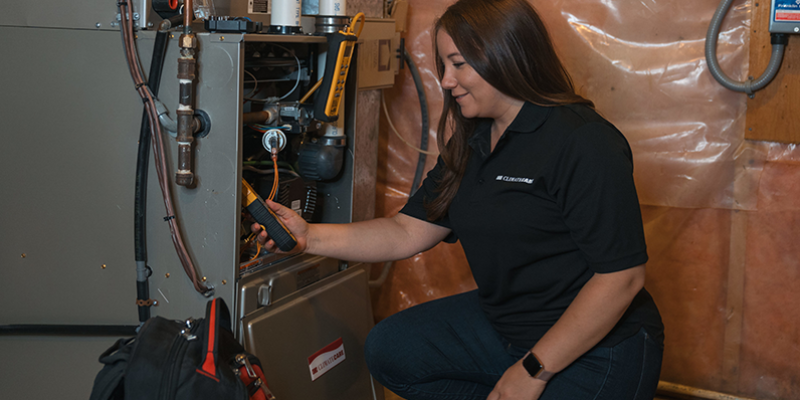
    Regular hvac maintenance plans can make it easier to stay ahead of common heating and cooling problems. Instead of waiting for a complete failure, scheduled service gives a technician an opportunity to inspect the system and notice signs of wear.

    Depending on the equipment, maintenance may include checking filters, electrical connections, airflow, coils, drainage, safety controls, moving parts, and other components.

    It doesn’t mean your HVAC system will never break down. Nothing can promise that. But finding a worn part early is usually better than discovering it after the system stops working on the hottest or coldest day of the year.

    Your Air Conditioner Works Harder Than You Realize

    During summer, your cooling system may run for long periods, especially when outdoor temperatures remain high.

    A central AC system has to remove heat from your home repeatedly throughout the day. Dust, restricted airflow, dirty coils, and aging components can make that job harder.

    Modern central air conditioning equipment can be highly efficient, but efficiency depends on more than the equipment itself. Correct sizing, proper installation, clean filters, good airflow, and regular maintenance all matter.

    A well-maintained system doesn’t have to fight against problems that could have been avoided.

    Don’t Ignore Small Changes

    Your HVAC system usually gives you clues when something isn’t quite right.

    A sudden buzzing sound, weak airflow, unusual odor, frequent cycling, or uneven temperatures may be worth investigating. Sometimes the cause is minor. Other times, it can indicate a component that is starting to fail.

    Homeowners often ignore these signs because the system is still technically working. That’s understandable. Nobody wants to call a technician for every strange sound.

    But if a change continues or becomes more noticeable, it’s worth getting a professional opinion. A small repair today can sometimes prevent a much larger repair later.

    Furnaces Need Attention Too

    Heating equipment can sit quietly for months before winter arrives, and then suddenly it’s expected to run for hours every day. That’s a lot to ask from a system that hasn’t been checked in a long time.

    Older furnaces may be especially vulnerable to problems involving airflow, electrical components, burners, blower motors, or other worn parts.

    Before the coldest weather arrives, it’s smart to make sure the system is ready. A professional inspection can help identify concerns before you’re relying on the equipment around the clock.

    And don’t forget the simple things. A clean filter and unobstructed vents can make a noticeable difference.

    Filters Are Easy to Forget

    Of all the basic HVAC maintenance tasks, checking the air filter is one of the easiest—and one of the most commonly forgotten.

    A dirty filter restricts airflow and can make the system work harder. Depending on the type of equipment and filter, it may also contribute to reduced comfort and increased energy use.

    There’s no single replacement schedule that works for every household. Homes with pets, frequent occupancy, construction dust, or certain filtration systems may require more frequent attention.

    Instead of blindly following a calendar, check the filter regularly and follow the manufacturer’s recommendations.

    Good Airflow Matters More Than You Think

    If some rooms are comfortable while others remain too warm or too cold, the HVAC system itself may not necessarily be the problem.

    Blocked vents, duct leaks, poor insulation, and airflow restrictions can all create uneven temperatures.

    This is why replacing equipment without investigating the rest of the system isn’t always the best solution. A new HVAC unit won’t magically fix a duct that’s leaking conditioned air into an attic or crawlspace.

    A professional evaluation can help identify where the real problem lies.

    Energy Bills Can Offer a Useful Clue

    Energy bills naturally rise during periods of extreme weather. That’s expected.

    But if your usage hasn’t changed much and your HVAC-related costs keep increasing, the system may be losing efficiency.

    Dirty coils, restricted airflow, aging components, poor insulation, and duct leakage can all make heating and cooling more expensive.

    Before deciding that you need a completely new system, have the existing equipment evaluated. Sometimes a tune-up or relatively minor repair can restore performance.

    Other times, replacement really is the better option. The important thing is knowing which situation you’re dealing with.

    When Repair Makes More Sense

    Not every HVAC problem requires replacement.

    If your system is relatively young and has developed one isolated issue, repairing it may be the most practical choice. Replacing an entire system because of one failed component can be unnecessary.

    However, repeated repairs tell a different story.

    If you’re constantly fixing the same equipment, energy costs are climbing, and the system struggles to maintain comfortable temperatures, it’s worth considering whether replacement would make more sense financially.

    A good technician should explain the options rather than simply pushing you toward the most expensive solution.

    Why Professional Service Still Matters

    There are a few HVAC tasks homeowners can safely handle, such as changing filters and keeping outdoor equipment free of debris.

    More complicated work is another matter.

    Electrical components, refrigerant systems, gas equipment, combustion areas, and internal mechanical parts should generally be handled by qualified professionals.

    Trying to diagnose or repair these components without the right training can create safety risks and potentially cause additional damage.

    Sometimes calling a professional feels like an unnecessary expense. In reality, proper diagnosis can save money by preventing guesswork.

    Think About Maintenance Before You Need It

    The best time to think about HVAC maintenance is when your system is still working.

    Schedule seasonal inspections before peak heating or cooling periods. Keep filters in good condition. Pay attention to changes in performance. Make sure vents aren’t blocked and outdoor equipment has enough room for proper airflow.

    These aren’t complicated steps, but together they can make your HVAC system easier to manage.

    A Little Attention Goes a Long Way

    HVAC equipment isn’t something you should have to worry about every day. That’s actually the goal of good maintenance—to keep problems from becoming the center of your attention.

    Regular inspections, sensible repairs, clean filters, proper airflow, and timely replacement when equipment reaches the end of its useful life can all contribute to a more dependable home.

    You don’t have to wait for a breakdown to take your heating and cooling system seriously.

    A few minutes of attention today might save you an uncomfortable night, an emergency service call, or a much larger repair bill later. And honestly, when the weather outside gets extreme, there’s a lot to be said for knowing your HVAC system is ready for it.

  • Free Water Testing Can Be the First Step Toward Better Water at Home

    Free Water Testing Can Be the First Step Toward Better Water at Home

    Water is something most of us use without giving it much thought. We turn on the faucet, fill a glass, start the washing machine, or jump into the shower and carry on with the day. But when the water tastes unusual, leaves mineral marks behind, or starts affecting appliances, it becomes hard to ignore.

    The good news is that figuring out what’s going on doesn’t have to be complicated. A simple water test can reveal useful information about the condition of your supply and help you decide whether treatment is actually necessary. Instead of buying equipment based on a guess, you can start with facts.

    Why Testing Your Water Makes Sense

    Water can contain minerals, sediment, and other substances that aren’t obvious just by looking at it. Clear water isn’t necessarily problem-free, and unusual taste doesn’t always tell you exactly what is causing it.

    A basic free water testing service can be a convenient starting point for homeowners who want to understand their water better. Depending on the testing offered, results may provide information about hardness, pH, chlorine, iron, sediment, or other characteristics.

    This information can help point you toward the right treatment rather than leaving you to sort through dozens of products and confusing technical terms.

    Different Homes Have Different Water Concerns

    There isn’t one water problem that affects every household in the same way. A home supplied by municipal water may have different concerns from one relying on a private well.

    Hard water, for example, can leave white deposits on faucets and shower doors. It may also contribute to mineral buildup inside water heaters and appliances. Another household might be more concerned about taste or odor.

    Well owners have an additional reason to pay attention because groundwater conditions can change over time. Seasonal changes, heavy rainfall, nearby land activity, or other environmental factors can influence water quality.

    That’s why testing is more useful than assuming your neighbor’s treatment system will work perfectly for you.

    Don’t Buy a System Just Because It Looks Impressive

    Water treatment equipment can be expensive, and it’s easy to get distracted by long lists of features.

    A system with more filters, more stages, or a higher price tag isn’t automatically the right choice. If your main concern is hard water, for instance, a water softener may be more relevant than a complicated purification system.

    Likewise, if taste and chlorine are your main concerns, carbon filtration could be worth considering.

    The goal should always be to solve the actual problem. Good treatment is targeted treatment.

    Look for Honest Advice

    Choosing a water treatment provider can feel a bit like choosing a mechanic. You want someone who understands the equipment, but you also want someone who won’t recommend unnecessary work simply because it increases the bill.

    That’s why honest recommendations matter.

    A trustworthy professional should be willing to explain what the test results mean, what treatment options are available, and what the advantages and limitations of each option might be.

    Don’t be afraid to ask straightforward questions. What does this system remove? How often do the filters need changing? What will maintenance cost? Is the equipment necessary, or is there a simpler option?

    Clear answers are usually a good sign.

    Think About How Your Household Uses Water

    Water treatment isn’t just about what’s in the water. It’s also about how much water your household uses and where it is being used.

    A family with several bathrooms, multiple appliances, and high daily consumption may need a different setup from a small household.

    If the concern affects the entire property, whole-home treatment may make sense. If the issue is mainly drinking-water taste, a point-of-use system in the kitchen could be enough.

    Understanding your actual needs can prevent you from paying for capacity or equipment you don’t need.

    Installation Can Affect Performance

    Even excellent equipment can perform poorly when installed incorrectly. Water pressure, plumbing configuration, drainage, electrical requirements, and available space all need to be considered.

    This is why professional installations can be worth the investment. Proper installation helps ensure that the equipment is connected and configured according to its requirements.

    It can also make future maintenance easier. Filters should be accessible, valves should be arranged logically, and service components shouldn’t be buried somewhere that requires half the utility room to be dismantled.

    A neat installation isn’t just about appearance. It can make the system easier to operate and maintain.

    Maintenance Keeps the System Working

    Installing a water treatment system doesn’t mean you can forget about it forever.

    Filters eventually become saturated. Water softeners may need salt and periodic servicing. Reverse osmosis membranes have a limited service life. Other equipment may require inspections or replacement parts.

    Keeping up with routine maintenance helps protect the investment and maintain treatment performance.

    It’s a simple habit that can prevent some surprisingly frustrating situations. Nobody wants to discover that the system they’ve been relying on hasn’t been working properly for months.

    Set reminders for filter changes and service appointments. It takes a few minutes and can save considerable hassle later.

    Consider the Long-Term Cost

    The purchase price is only one part of the cost of owning a treatment system.

    Before making a decision, consider installation, replacement filters, maintenance, electricity, salt if required, and potential repair expenses.

    A cheaper system may look attractive initially but become expensive if replacement parts are difficult to find or servicing is complicated.

    On the other hand, spending more isn’t automatically smarter either. The best value usually comes from equipment that matches your water conditions, household usage, and maintenance expectations.

    Better Water Starts With Better Information

    The biggest advantage of testing isn’t necessarily the test itself. It’s what you can do with the information afterward.

    Once you understand your water, you can make a more informed decision about whether treatment is needed and what type of system makes sense. You can compare options without feeling pressured into buying something simply because it sounds advanced.

    Water treatment doesn’t need to be mysterious or overwhelming. Start with the basics, ask questions, and work with people who are willing to explain their recommendations honestly.

    In the end, the goal is pretty simple: water that works well for your home, your family, and your everyday routines. Sometimes getting there takes sophisticated equipment. Sometimes it takes a surprisingly simple fix. Either way, knowing what you’re dealing with first is usually the smartest place to begin.

  • How Commercial Water Filters Can Make Everyday Water Management Easier

    How Commercial Water Filters Can Make Everyday Water Management Easier

    Water is one of those things businesses depend on constantly but rarely stop to think about. It runs through kitchens, bathrooms, ice machines, coffee makers, laundry equipment, cooling systems, and countless other fixtures. When the water is doing its job, nobody notices. When something changes, though, the problem can quickly become everyone’s problem.

    Unusual taste, mineral spots, sediment, clogged equipment, or frequent maintenance can all point toward water-quality concerns. For commercial properties, the answer isn’t always a complicated treatment system. Sometimes, the first step is simply understanding what is in the water and choosing filtration that fits the actual situation.

    Why Water Quality Matters in Commercial Buildings

    Commercial properties can use enormous amounts of water every day. A restaurant may need it for cooking, washing dishes, making beverages, and producing ice. A hotel has guest rooms, laundry facilities, kitchens, and maintenance areas. Even an office can have dozens of water-dependent fixtures operating throughout the week.

    Because usage is so high, small water-quality issues can become more noticeable over time. Mineral deposits may form around faucets. Sediment can collect inside components. Certain substances may affect taste and odor.

    That’s why water filtration should be viewed as part of sensible facility management rather than simply another piece of equipment.

    Understanding Commercial Water Filters

    Commercial water filters are designed to treat water before it reaches specific fixtures or equipment. The type of filter required depends on the characteristics of the incoming supply.

    Some filters are intended to reduce suspended particles. Others use carbon media to address certain tastes, odors, and disinfectants. Specialized systems may be used for hardness or other water-quality concerns.

    There isn’t one filter that solves every problem. That’s actually a good thing because businesses can choose equipment around their particular needs instead of paying for unnecessary features.

    Why Testing Should Come Before Buying

    It can be tempting to purchase a filtration system simply because another business owner recommends one. But water conditions vary, and what works beautifully in one building may not be appropriate in another.

    A basic water analysis can provide useful information about hardness, pH, dissolved solids, sediment, chlorine, and other characteristics. Once those results are available, choosing treatment becomes much more straightforward.

    Testing can also prevent unnecessary spending. If a suspected problem isn’t actually present, there may be no reason to install expensive equipment in the first place.

    What Cleaner Water Can Mean for a Business

    The phrase cleaner water can mean different things depending on the application. For one business, it might mean reducing sediment. For another, it could mean improving taste and odor. Somewhere else, the priority may be protecting equipment from mineral buildup.

    The goal shouldn’t be to remove everything from water. Many naturally occurring minerals are not automatically a problem. Instead, treatment should focus on characteristics that affect the intended use.

    For example, a restaurant may care deeply about taste and odor because customers consume the water and ice. A manufacturing facility may be more concerned with water chemistry affecting production equipment.

    The application changes the priority.

    How Filtration Can Protect Equipment

    Better water and equipment have a close relationship. Dishwashers, ice machines, coffee systems, boilers, water heaters, and other commercial appliances can all be influenced by the water passing through them.

    Hard water may contribute to scale buildup. Sediment can collect inside valves and filters. Certain water conditions can also contribute to corrosion over long periods.

    Filtration isn’t a cure for every mechanical issue, but properly selected treatment can help reduce specific water-related stresses. This is especially useful for businesses that rely on expensive equipment every day.

    A small maintenance issue is manageable. An unexpected equipment failure during the lunch rush is another story.

    Choosing the Right Filter Capacity

    Commercial filtration isn’t only about what a filter removes. Capacity matters, too.

    A filter must be able to handle the property’s expected flow rate and water volume. A restaurant with high peak demand needs a different setup from a small office with relatively modest usage.

    Businesses should consider daily consumption, peak periods, replacement intervals, installation requirements, and manufacturer specifications before selecting a system.

    Buying an undersized filter can create operational problems, while an unnecessarily oversized system may increase upfront and ongoing costs.

    The Importance of Regular Filter Replacement

    Even a high-quality filter doesn’t last forever. Filtration media eventually reaches its capacity, and performance can decline if replacement is delayed.

    Commercial properties should keep track of filter changes rather than relying on memory. A simple maintenance log can include installation dates, replacement dates, inspections, and any noticeable changes in water taste, pressure, or appearance.

    This sounds basic, and honestly, it is. But basic maintenance is often what keeps equipment dependable.

    Filtration Isn’t a Substitute for Cleaning

    A common misunderstanding is that installing a filter means water-related maintenance is finished. It doesn’t.

    Ice machines still need cleaning. Coffee equipment still needs descaling when appropriate. Dishwashers still require routine servicing. Storage tanks, fixtures, and other components may have their own maintenance schedules.

    Filtration works best as one part of a larger water-management plan.

    When treatment, cleaning, testing, and equipment maintenance work together, businesses have a much better chance of avoiding recurring problems.

    Thinking About Long-Term Value

    The cheapest filtration system isn’t always the least expensive option in the long run. Businesses should look beyond the purchase price.

    Replacement filters, labor, installation, maintenance, water usage, and equipment lifespan all contribute to the total cost of ownership.

    A slightly more expensive system that lasts longer and matches the property’s needs may ultimately provide better value than a low-cost option requiring frequent replacement.

    It’s worth doing the math before making a decision.

    A Practical Approach to Better Commercial Water

    Good commercial water management doesn’t have to be complicated. Start by understanding the water, identify the issues that actually matter, and select filtration based on those findings.

    A properly chosen filter can support equipment, improve certain taste and odor concerns, reduce unwanted particles, and make everyday water management more predictable.

    Most importantly, businesses shouldn’t treat filtration as a one-time purchase. Water conditions can change, filters need maintenance, and equipment still requires regular care.

    In the end, the best system is rarely the one with the longest list of features. It’s the one that quietly does the job it was designed to do, fits the property’s needs, and doesn’t create unnecessary work.

    For a busy commercial operation, that’s the real value of good filtration: fewer surprises, better control, and water that works the way the business expects it to.

  • A Comfortable Home Begins With the Right HVAC Decisions

    A Comfortable Home Begins With the Right HVAC Decisions

    A Comfortable Home Begins With the Right HVAC Decisions

    There’s something almost invisible about a well-functioning HVAC system. You don’t usually notice it when it’s doing its job, and maybe that’s the biggest compliment you can give it. The rooms feel comfortable, the air feels fresh, and the temperature stays where you expect it to be. Life simply carries on.

    The moment that comfort disappears, though, everything changes. A restless night because the bedroom won’t cool down or a chilly morning spent waiting for the furnace to catch up quickly reminds us how much we depend on our home’s heating and cooling system. That’s why making thoughtful HVAC decisions isn’t just about replacing equipment—it’s about creating a living space that feels welcoming every single day.

    Comfort Is About More Than Temperature

    Most people assume comfort begins and ends with the thermostat, but that’s only part of the picture. Indoor air quality, humidity, airflow, and consistent temperatures all work together to shape how your home feels.

    Have you ever walked into one room that’s perfectly comfortable while another feels stuffy or unusually warm? That imbalance is often a sign that your HVAC system isn’t operating as efficiently as it once did.

    Modern home comfort solutions  take a broader approach. Instead of simply producing warm or cool air, today’s systems are designed to improve airflow, regulate humidity, and maintain even temperatures throughout the house. The result is a home that feels naturally comfortable rather than constantly needing thermostat adjustments.

    Recognizing the Signs Your System Needs Attention

    Heating and cooling equipment doesn’t suddenly stop working overnight in most cases. More often, it gives subtle hints long before a complete breakdown occurs.

    You may notice rising energy bills despite similar weather conditions. Maybe the system runs much longer than it used to, or strange sounds begin appearing during startup. Some homeowners deal with hot and cold spots throughout the house, while others experience poor airflow from certain vents.

    These small changes are easy to ignore, but together they often indicate that your system is working harder than necessary.

    Addressing those issues early can prevent larger repairs and help homeowners make informed decisions before an emergency forces them to act.

    Installation Matters More Than Many People Realize

    Choosing high-quality equipment is important, but even the best HVAC unit won’t perform properly if it’s installed incorrectly.

    Every home has unique characteristics. Ceiling height, insulation levels, window placement, ductwork design, and square footage all influence how an HVAC system should be sized and configured.

    That’s why professional hvac installation  plays such an important role in long-term comfort. Experienced technicians evaluate the home as a complete system rather than simply replacing one unit with another. Proper sizing and careful installation help equipment operate efficiently while reducing unnecessary wear over time.

    It’s one of those behind-the-scenes details that homeowners may never see, but they benefit from it every day.

    Energy Savings Often Follow Better Comfort

    Many homeowners begin considering HVAC upgrades because they’re frustrated with monthly utility bills. Older systems naturally become less efficient as components age, forcing them to consume more energy to achieve the same results.

    Newer technology has significantly improved performance without requiring excessive energy use.

    Variable-speed motors, smart thermostats, improved compressors, and better airflow management all contribute to lower operating costs. Instead of constantly cycling on and off, modern systems adjust their output based on the home’s actual needs.

    That means fewer temperature swings and more efficient operation throughout every season.

    Indoor Air Quality Deserves Equal Attention

    Comfort isn’t just about staying warm in winter or cool during summer. The quality of the air you breathe matters just as much.

    Dust, pollen, pet dander, and other airborne particles circulate throughout a home’s ventilation system every day. Modern HVAC systems often include advanced filtration options that help reduce those contaminants while improving overall indoor air quality.

    Balanced humidity also makes a noticeable difference. Air that’s too dry can cause discomfort during winter, while excessive humidity creates a sticky feeling in warmer months.

    An efficient HVAC system quietly manages both temperature and moisture, creating a healthier indoor environment without demanding constant attention.

    Regular Maintenance Protects Your Investment

    Installing a new HVAC system is only the beginning. Like any major mechanical equipment, it performs best when it’s properly maintained.

    Changing filters regularly allows air to flow freely while reducing strain on the equipment. Annual inspections help identify worn components before they become larger problems. Cleaning coils, checking refrigerant levels, and inspecting electrical connections all contribute to smoother operation.

    Routine maintenance also gives homeowners greater confidence that their system will perform when they need it most—whether that’s during a summer heatwave or the coldest night of winter.

    Preventive care often costs far less than unexpected emergency repairs.

    Thinking Long-Term Instead of Short-Term

    Replacing HVAC equipment can feel like a major expense, so it’s understandable that homeowners sometimes focus only on the upfront cost.

    However, the real value often appears over time.

    Lower utility bills, fewer repair visits, improved indoor comfort, quieter operation, and longer equipment life all contribute to better overall value. Instead of worrying about recurring breakdowns every season, homeowners enjoy the confidence that comes with reliable system performance .

    That peace of mind is difficult to measure, but it’s something families appreciate every single day.

    Choosing the Right HVAC Partner

    The company performing the work matters just as much as the equipment itself.

    Experienced HVAC professionals don’t rush recommendations or push unnecessary upgrades. Instead, they ask questions about the home’s layout, comfort concerns, energy goals, and long-term plans before suggesting a solution.

    A trustworthy contractor also explains maintenance requirements, warranty coverage, and expected operating costs so homeowners can make confident decisions.

    That level of transparency helps build relationships that continue long after installation day.

    Creating a Home That Feels Comfortable Every Season

    Every family wants a home where they can relax without constantly adjusting the thermostat or worrying about unexpected equipment failures. True comfort isn’t created by expensive technology alone—it’s built through thoughtful planning, quality installation, and equipment that matches the home’s unique needs.

    Whether you’re replacing an aging system or planning for the future, investing in the right HVAC solution improves far more than indoor temperature. It creates quieter evenings, healthier air, lower energy consumption, and greater confidence throughout every season.

    At the end of the day, comfort isn’t something people should have to think about. When your HVAC system is designed and installed correctly, it quietly works in the background, allowing you to enjoy your home exactly the way it was meant to be enjoyed—comfortably, efficiently, and without unnecessary worry.

  • The Best Water Treatment Solution Starts With Understanding Your Water

    The Best Water Treatment Solution Starts With Understanding Your Water

    Most people don’t wake up one morning planning to shop for a water treatment system. It usually begins with something small. Maybe the coffee doesn’t taste quite right anymore. Perhaps the shower leaves your skin feeling unusually dry, or white mineral spots suddenly appear on every clean glass coming out of the dishwasher.

    At first, those changes seem like little annoyances. Over time, though, they become reminders that the water flowing through your home may not be working in your favour.

    The good news is that cleaner, better-quality water is often easier to achieve than many homeowners expect. The important part isn’t buying the most expensive filtration system on the market—it’s finding a solution that’s actually designed for your home’s unique water conditions.

    That journey always begins with learning what’s in your water.

    Every Home Has Different Water Challenges

    It’s surprising how much water quality can vary from one property to the next.

    Two neighbours connected to the same municipal supply may notice different tastes because of plumbing materials inside their homes. Private well owners often experience completely different concerns, from naturally occurring minerals to sediment or sulfur odours.

    That’s why recommendations based solely on online reviews rarely produce the best results.

    Water treatment works best when decisions are based on facts rather than assumptions.

    Understanding the source of the problem makes every step afterward much simpler.

    Testing Before Buying Saves Time and Money

    One of the most valuable services many homeowners overlook is free water testing.

    Rather than guessing whether the issue involves hard water, chlorine, sediment, iron, or another water quality concern, proper testing provides clear answers. It identifies the characteristics of your water so any recommended solution addresses the real issue instead of simply masking symptoms.

    Skipping this step often leads people to purchase equipment they don’t actually need.

    Testing first creates confidence that every investment is based on accurate information rather than trial and error.

    Water Quality Is About More Than Taste

    When people think about water treatment, they often focus only on drinking water.

    In reality, water touches nearly every part of the home.

    It flows through washing machines, dishwashers, coffee makers, refrigerators, water heaters, showers, sinks, and plumbing fixtures. Hard water can leave mineral deposits inside appliances, while certain contaminants may affect taste, odour, or cleaning performance.

    Even soap behaves differently depending on water quality.

    Improving household water isn’t simply about what’s in your glass. It’s about protecting everything connected to your plumbing.

    No Two Solutions Should Be Identical

    One of the biggest misconceptions about filtration systems is that there’s a universal answer.

    There isn’t.

    Some homes benefit from water softeners that reduce hardness minerals. Others need activated carbon filters to improve taste and smell. Certain households may require reverse osmosis for drinking water, while well systems sometimes need sediment removal or specialized filtration.

    That’s where a personalized consultation becomes incredibly valuable.

    Instead of recommending the same equipment to everyone, experienced professionals evaluate water quality, household size, plumbing layout, water usage, and long-term goals before suggesting the most appropriate solution.

    The result is a system that genuinely fits the home rather than forcing the home to fit the system.

    Installation Is Just as Important as the Equipment

    Choosing the right filtration system is only half the process.

    Even excellent equipment depends on proper installation to perform efficiently.

    Correct plumbing connections, balanced water pressure, accessible maintenance points, and careful positioning all contribute to long-term reliability. Small installation mistakes can reduce efficiency, create leaks, or increase maintenance requirements over time.

    That’s why many homeowners choose professional installation instead of attempting complex plumbing modifications themselves.

    A well-installed system often lasts longer, performs better, and requires fewer unexpected repairs.

    Maintenance Keeps Everything Working Smoothly

    Like any equipment that operates every day, water treatment systems need occasional attention.

    Filters eventually become saturated. Reverse osmosis membranes wear out. Water softeners require routine servicing, and periodic inspections help identify small issues before they become larger problems.

    Fortunately, maintenance is usually simple when performed consistently.

    Replacing components on schedule helps preserve water quality while protecting the system itself from unnecessary wear.

    A little preventative care often saves considerable expense later.

    Better Water Quietly Improves Daily Life

    One of the nicest things about a properly functioning water treatment system is that you eventually stop thinking about it.

    Coffee tastes better. Ice cubes become clearer. Dishes dry with fewer spots. Soap rinses away more easily, and showers simply feel more comfortable.

    Water heaters and dishwashers often remain cleaner because mineral buildup decreases, helping appliances operate more efficiently over time.

    These aren’t dramatic changes that transform life overnight.

    They’re small improvements that quietly become part of everyday living.

    Looking Beyond the Initial Investment

    Many homeowners hesitate because they focus only on the purchase price of filtration equipment.

    While cost certainly matters, it’s equally important to consider long-term value.

    Protecting expensive appliances from mineral damage, reducing plumbing maintenance, improving water quality, and extending equipment lifespan often offset much of the original investment over time.

    Viewed across several years, a thoughtfully selected system frequently provides benefits that go well beyond cleaner drinking water.

    It’s an investment in the home’s overall comfort and efficiency.

    Making an Informed Decision

    Buying a water treatment system shouldn’t feel overwhelming.

    The process becomes much simpler when it’s approached step by step.

    Begin by understanding your water. Review professional recommendations based on actual test results. Compare solutions that match your household’s specific needs rather than chasing the newest technology or the biggest system available.

    Quality equipment, proper installation, and routine maintenance work together to create dependable results that continue year after year.

    Clean Water Brings Confidence Every Day

    Water is one of the few things every household relies on constantly. Whether you’re making breakfast, taking a shower, washing clothes, or filling a glass at the kitchen sink, good water quietly supports nearly every part of daily life.

    That’s why investing in water quality is really an investment in your home itself.

    By starting with accurate testing, taking the time to understand your options, and choosing a solution tailored to your needs, you’ll enjoy more than cleaner water. You’ll gain peace of mind, protect your plumbing and appliances, and create a home that’s simply more comfortable to live in.

    Sometimes the best home improvements aren’t the ones everyone notices. They’re the ones that quietly make everyday life better—one clean drop of water at a time.

  • Why Clean Water Systems Are More Essential Than You Think

    Why Clean Water Systems Are More Essential Than You Think

    It’s funny how we often take water for granted. We turn on the tap, fill a glass, and assume it’s good to go. But the reality is that not all tap water is created equal. Even in regions with advanced municipal treatment, lingering chemicals, hard minerals, or occasional contaminants can affect taste, health, and even household appliances. That’s when I started exploring professional filtration options, and I came across lindsay ecowater ontario oregon. At first, I thought it was just another brand name, but it turned out to be an eye-opener for anyone serious about clean water.

    Water isn’t just about hydration—it touches nearly every part of our daily lives. Cooking, brewing coffee, making ice, watering plants, and even bathing can be subtly influenced by the quality of water we use. Once I installed a reliable filtration system, I noticed the difference almost immediately. Not just in taste, but in a kind of quiet reassurance that comes with knowing the water in my home is safe and refreshing.

    How Modern Water Filtration Works

    It’s easy to assume that all water filters are the same, but they’re not. Some focus solely on taste, removing chlorine or sediments. Others target a broader range of contaminants. Ecowater, for example, is designed to combine several purification methods, often including reverse osmosis, carbon filtration, and softening technology. It’s not just about removing particles; it’s about improving the water at multiple levels, making it safer and better tasting.

    Reverse osmosis is particularly fascinating. Think of it like a microscopic sieve: water is forced through a semi-permeable membrane that removes dissolved solids, microbes, and other impurities. Unlike simple carbon filters, which can leave certain elements behind, a high-quality system like Ecowater ensures water is both clean and naturally balanced in taste.

    Signs Your Water Might Need Treatment

    Not everyone requires a complex filtration system, but there are subtle clues to watch for. Do your kettles and faucets accumulate scale unusually fast? Does your water have a metallic or off taste? Are there recurring stomach issues or skin irritations that you suspect might be related to water? These seemingly minor problems can point to underlying water quality issues.

    I met a friend who lives in Regina who swears by her ecowater systems mar installation. She mentioned that since installing the system, her ice cubes freeze crystal clear, her coffee tastes brighter, and her children rarely complain about stomachaches after drinking water at home. It might seem like small things, but these changes really enhance daily life.

    The Benefits Extend Beyond Drinking

    One thing I didn’t anticipate is just how much a water system can affect areas beyond drinking. Cooking becomes more precise, as subtle flavors are no longer masked by impurities. Showering feels gentler on skin and hair because hard minerals are reduced. Even appliances like coffee makers or kettles stay cleaner longer.

    Families often find this type of system particularly useful. Children, pregnant women, and older adults are more vulnerable to waterborne contaminants, so having a reliable system can provide peace of mind that goes beyond just taste. There’s an emotional comfort in knowing your home is safer—something you really only notice once it’s in place.

    Comparing Filtration Options

    There are plenty of options out there: simple carbon filters, distillers, UV systems, and reverse osmosis setups. Carbon filters are excellent for taste and odor, but they won’t remove all dissolved solids or microorganisms. UV systems kill bacteria and viruses but do little for chemicals or minerals. Reverse osmosis strikes a balance by targeting a wide range of impurities while maintaining essential minerals.

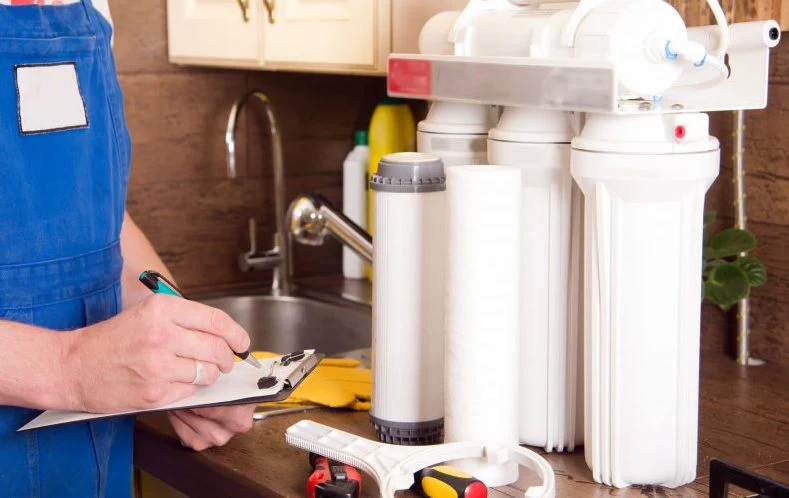
    Pairing pre-filters with a reverse osmosis system often provides the best results. Sediment and carbon pre-filters protect the membrane and enhance efficiency, ensuring longer lifespan and better overall performance. When I installed my system, the difference was evident not just in taste but in water clarity and smoothness.

    Installation and Maintenance

    Many people hesitate to invest in professional water systems because they assume installation will be complicated. In reality, modern systems are relatively straightforward. Units often fit under the sink or connect to a main water line. Maintenance mostly involves replacing filters periodically and checking the system for minor upkeep. Some units even include indicator lights to show when replacement is due, which is incredibly convenient.

    Energy usage is minimal, too. These systems work quietly in the background, so you don’t have to worry about spikes in electricity bills or cumbersome hardware taking over your kitchen space. It’s a set-and-forget type of convenience with benefits you notice every day.

    Environmental and Health Considerations

    Investing in a system like Ecowater can also benefit the environment. By reducing bottled water consumption, you’re cutting down on plastic waste. Many modern systems are designed to be energy-efficient and minimize water waste, making them more sustainable than older models.

    Health benefits are equally significant. Clean water reduces exposure to microbes, parasites, and chemical residues that can cause issues over time. Families, in particular, gain peace of mind from knowing that their drinking water and water used in cooking is genuinely safe.

    Real-Life Experiences

    The stories I’ve heard from other users are surprisingly consistent. One neighbor noticed her morning smoothies tasted brighter. Another friend said her ice cubes froze clearer and lasted longer without strange odors. Even seemingly minor benefits, like appliances staying cleaner for longer, contribute to a subtle but meaningful improvement in daily life.

    Perhaps the most powerful effect is psychological. Knowing that your home’s water is purified provides quiet reassurance that you and your family are protected. There’s a subtle but comforting peace that comes with that confidence.

    Choosing the Right System

    When evaluating water filtration systems, keep a few key factors in mind:

    • Flow rate: How much water can the system produce at a time.
    • Filter lifespan: How often replacement is needed.
    • Pre-filtration needs: Sediment or carbon filters can protect the main system.
    • Water testing: Understanding what’s in your water helps you choose the best combination of filters and purification methods.

    A thoughtful setup ensures that your investment works efficiently and lasts longer, saving you time and money in the long run.

    Common Misconceptions

    Some people think reverse osmosis or advanced filtration is overly complicated or only for extreme cases. Modern systems are designed to be user-friendly, efficient, and relatively affordable. Another misconception is that purified water lacks flavor. On the contrary, high-quality systems like ecowater maintain a natural balance that enhances taste without leaving a flat or stripped feeling.

    It’s also worth noting that pairing a primary system with pre-filters or complementary methods ensures the most comprehensive water treatment.

    Long-Term Value

    Investing in a professional water system is more than a one-time purchase; it’s a long-term commitment to comfort, health, and quality of life. Over time, the cost per gallon of clean, filtered water becomes negligible compared to buying bottled water or dealing with recurring plumbing issues caused by hard water or contaminants.

    Personally, I noticed the change not just in taste but in everyday confidence. Pouring a glass of water, cooking, or brewing coffee became small rituals I could genuinely enjoy because I trusted the quality of the water. It’s one of those subtle upgrades in life that quietly improves daily living.

    Final Thoughts

    Water is one of life’s simplest and most essential pleasures, yet we often overlook it. Investing in a reliable system—whether it’s lindsay ecowater ontario oregon, ecowater systems mar, or a standalone Ecowater unit—is about more than convenience. It’s about health, peace of mind, and the small joys of everyday living.

    It may not be glamorous, but the benefits are undeniable: better tasting drinks, safer cooking water, cleaner appliances, and the quiet reassurance that comes with knowing your home’s water is genuinely safe. Once you experience the difference, it’s hard to imagine going back. Clean water is about control—over health, comfort, and the small but meaningful ways we interact with our daily environment.

  • The Real Value of Hiring Experts for Appliance Installation and Repair

    The Real Value of Hiring Experts for Appliance Installation and Repair

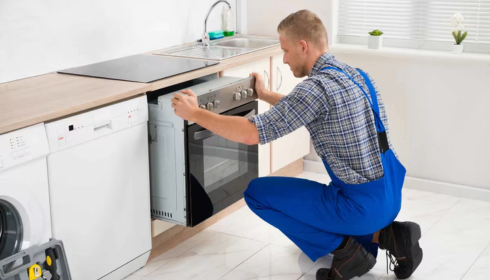
    When a shiny new appliance arrives at your doorstep, there’s always that initial excitement. You picture your mornings made easier by a brand-new coffee maker, laundry days simplified by a high-efficiency washer, or dinner prep sped up thanks to a modern oven. But between unboxing and enjoying, there’s that critical in-between step: installation. And later, of course, comes the occasional need for repair. These aren’t just minor technicalities — they determine how long your appliance will last, how safe it will be, and whether you’ll actually get the performance you paid for.

    I’ve seen people try the DIY route with mixed results. Sometimes it works out, but often it ends in frustration, extra costs, or worse, a broken appliance that never even had the chance to shine. That’s why leaning on professionals isn’t just convenient; it’s often the smarter long-term move.


    Why Professional Help Matters More Than You Think

    The truth is, appliances are becoming more complex. Gone are the days when plugging in a fridge or hooking up a stove was straightforward. With today’s smart technology, water connections, gas lines, and electrical compatibility, a small mistake can turn into a bigger problem. Safety alone is enough reason to hand the job to someone who knows the ropes.

    When I once tried connecting a dishwasher on my own, I underestimated how tricky the water lines could be. A slow leak went unnoticed for weeks, and by the time I caught it, the cabinet floor was warped. That little mistake cost way more than what a professional installer would’ve charged upfront.


    Reliable Repair Services When Things Go Wrong

    Even the best appliances eventually need a little TLC. Wear and tear is inevitable, and while troubleshooting guides can help, sometimes the issue isn’t visible. Maybe it’s a faulty circuit, a motor that’s on its last legs, or a sensor that’s misfiring.

    In such cases, a trusted repair service saves time and prevents headaches. Brands like Appliances Connection appliance repair stand out because they combine expertise with access to genuine parts. Instead of guessing at the problem or making multiple trips to the hardware store, you get technicians who can diagnose and fix it in one go. That kind of efficiency is priceless when your fridge is down and groceries are at risk of spoiling.


    The Advantage of Local Experts

    There’s also something comforting about having professionals close by. Searching for professional appliance installers near me means you’re more likely to find someone who can show up quickly, work around your schedule, and understand the specific requirements of your area. For example, local codes, gas line regulations, or even water pressure quirks can vary by region. A local pro has probably dealt with those exact issues before.

    Plus, you get peace of mind. If something doesn’t feel right after the job, reaching back out is easier when the company is just a few neighborhoods away instead of across the state.


    What Good Installation Actually Looks Like

    It’s not just about plugging in or tightening screws. Proper installation is about ensuring your appliance is set up for long-term performance. That means leveling machines so they don’t vibrate themselves to death, sealing connections to prevent leaks, and confirming everything complies with manufacturer guidelines. Skipping these steps might not show immediate consequences, but down the line, it can shorten the lifespan of your machine or void warranties.

    This is where appliance installation services prove their worth. They do the job right the first time, sparing you the trial and error. And if your warranty requires professional installation (many do), you’re already covered. It’s like setting your new investment up with a safety net from day one.


    The Cost vs. Value Perspective

    Let’s be honest — cost is often the biggest hesitation. It feels tempting to save that extra bit of money by doing it yourself. But what’s the real trade-off? A minor slip-up could mean ruined flooring, damaged wiring, or even a fire hazard. Suddenly, that “savings” turns into a bill that’s two or three times higher.

    When you weigh the upfront cost of professional installation or repair against potential long-term damages, the value becomes clear. You’re essentially paying for peace of mind, efficiency, and the confidence that your appliance is being handled with care.


    Questions to Ask Before Hiring

    Not all service providers are created equal, so it helps to do a little homework before bringing someone in. Ask about:

    • Experience with your specific appliance brand – Smart ovens aren’t the same as gas stoves.
    • Warranty coverage – Will the work void or protect your manufacturer warranty?
    • Response time – Especially important for repairs that can’t wait.
    • Parts availability – Do they use genuine or compatible parts?

    These small questions can save you from future headaches and help you choose a company that matches your needs.


    Bringing It All Together

    At the end of the day, appliances aren’t just machines; they’re part of how we live our daily lives. They cook our meals, clean our clothes, keep our food fresh, and save us time we’d rather spend elsewhere. Treating them with respect — through proper installation and timely repair — isn’t just about maintenance. It’s about making life easier, smoother, and less stressful.

    So next time you unwrap that shiny new gadget or hear an odd rattle from the washer, don’t shrug it off or dive into a DIY marathon. Consider calling in the experts who do this day in and day out. Your appliances (and your sanity) will thank you for it.


    Final Thoughts

    Life already has enough little frustrations. Don’t let a misaligned dishwasher or a stubborn dryer add to the pile. Investing in professional installation and repair is less about spending money and more about buying yourself peace of mind. It’s about trusting specialists who know the ins and outs, so you don’t have to learn the hard way.

    After all, the goal isn’t just to make your appliances work today — it’s to keep them working for years to come.