Water treatment systems have become an important part of modern property management. Homeowners want cleaner drinking water, fewer mineral deposits, and better protection for their plumbing and appliances. Businesses need dependable water for kitchens, offices, manufacturing, cleaning, and customer services. Yet, buying a quality treatment unit is only one part of the process. How the system is installed, repaired, and maintained can make a major difference in its performance.
A water treatment system should not be viewed as a simple appliance that works without attention. It is part of a property’s plumbing infrastructure. If the equipment is incorrectly sized, poorly connected, or neglected after installation, it may fail to deliver the expected results. With thoughtful planning and regular care, however, a water system can provide reliable benefits for many years.
Start by Understanding Your Water Needs
Before choosing any treatment equipment, it helps to understand the property’s water source and the problems that need to be addressed. Municipal water, private well water, and other supply sources can have very different characteristics.
Some homes struggle with hard water, which can create scale on faucets, showerheads, and water heaters. Others may experience chlorine taste, sediment, iron staining, sulfur odors, or concerns about dissolved contaminants. Businesses and farms may have additional requirements related to water volume, pressure, irrigation, food preparation, or equipment protection.
Water testing is an important first step because it identifies the substances present in the supply. A system selected without testing may solve one issue while leaving another untouched. For example, a water softener can reduce hardness but is not designed to remove every chemical or microorganism.
Understanding the problem first makes the rest of the process much more straightforward.
Why Professional System Installation Matters
The installation stage has a direct effect on how well a treatment system performs. Even advanced equipment can struggle if it is connected incorrectly or placed in an unsuitable location.
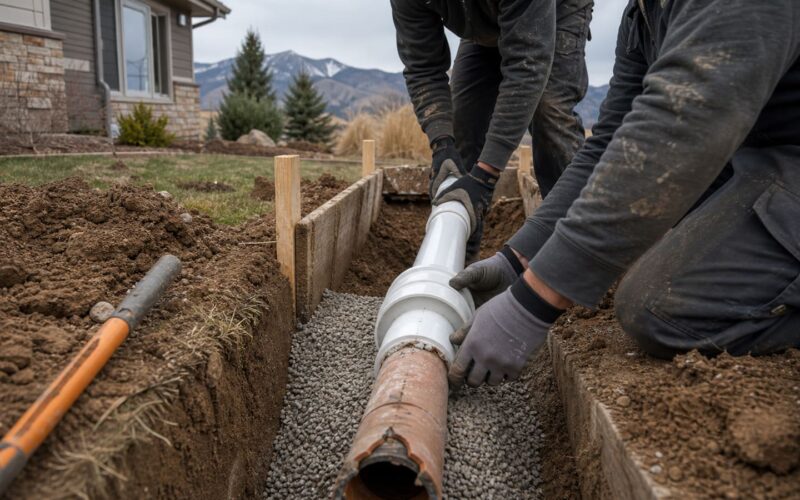
Professional system installation involves more than attaching pipes. The installer must consider water pressure, flow rate, drainage, electrical requirements, plumbing configuration, bypass valves, and available service space. Equipment should also be positioned where filters, tanks, membranes, and other components can be accessed easily.
Incorrect installation may lead to leaks, pressure loss, poor filtration, excessive wastewater, or premature equipment damage. In some cases, a system may appear to operate normally while failing to treat water effectively.
A qualified installer can also ensure that the system is properly configured for the property’s demand. A small household may require a different setup from a large family, office, restaurant, or agricultural facility. Correct sizing helps prevent performance problems during periods of high usage.
Choosing the Right Location for Treatment Equipment
The location of a water treatment system is often overlooked, but it matters more than people expect. Equipment should be installed in a dry, accessible area with enough room for servicing and replacement.
The installation site should provide protection from extreme temperatures, flooding, direct damage, and unnecessary exposure to moisture. For systems that require electricity, appropriate electrical safety measures must also be followed.
Drainage is another important consideration. Water softeners and reverse osmosis systems may discharge wastewater during regeneration or filtration. If drainage is not designed correctly, it can cause backups, moisture damage, or operational problems.
A professional can assess the available space and recommend a layout that balances convenience, safety, and long-term access.
Recognizing When Repairs Are Necessary
Like any mechanical or plumbing equipment, water treatment systems can develop problems. Some warning signs are easy to notice, while others may appear gradually.
Common signs that a system may need attention include:
- Reduced water pressure
- Unusual noises from pumps or valves
- Leaking connections or housings
- Changes in water taste or odor
- Cloudy or discolored water
- Increased salt or water consumption
- Filters that clog unusually quickly
- Water softener regeneration problems
- A return of scale or staining
Ignoring these symptoms can make a small issue more expensive. A loose fitting may become a leak, while a clogged filter can place extra pressure on other components. If treated water no longer seems consistent, the system should be inspected rather than assuming the issue will disappear.
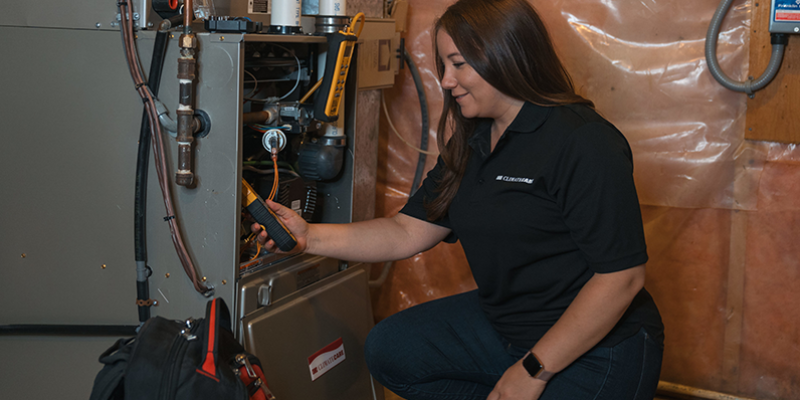
Professional repairs can involve replacing damaged valves, fixing leaks, changing membranes, servicing pumps, cleaning tanks, correcting electrical faults, or recalibrating control settings. The exact repair depends on the equipment and the underlying cause.
Maintenance Is Essential for Long-Term Performance
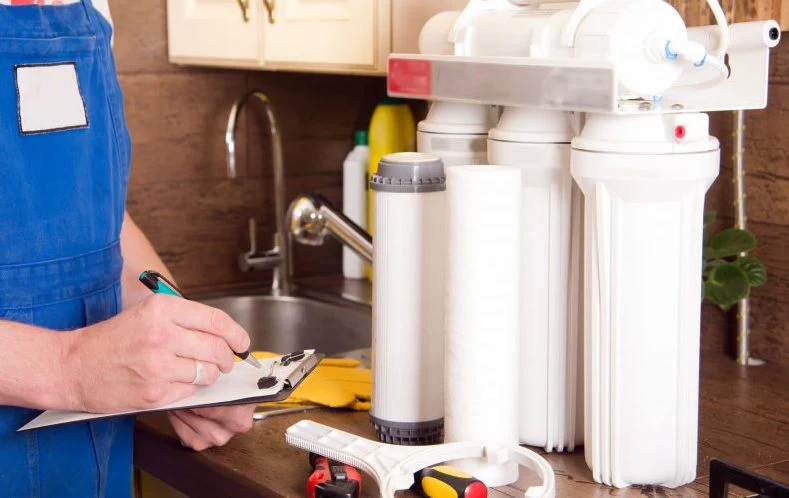
Regular maintenance is what keeps a water treatment system working as intended. Filters become saturated, membranes lose efficiency, UV lamps weaken over time, and moving components can wear down through repeated use.
The required maintenance schedule depends on the system type and water conditions. A home with heavy sediment may need more frequent filter changes than a property with relatively clean municipal water. Similarly, a reverse osmosis membrane may last longer when its pre-filters are replaced on schedule.
Routine maintenance may include:
- Replacing filter cartridges
- Checking salt levels in water softeners
- Inspecting tanks, housings, and fittings
- Cleaning components where recommended
- Testing treated water quality
- Checking pressure and flow
- Replacing reverse osmosis membranes
- Changing UV lamps
- Inspecting valves and control systems
Following the manufacturer’s recommendations is a useful starting point. However, actual water conditions and usage levels may require a more frequent schedule.
The Importance of Using Compatible Parts
When a component needs replacement, choosing the correct part is important. Filters, membranes, O-rings, fittings, valves, and tubing must be compatible with the system. Using an unsuitable component can cause leaks, poor performance, or damage to other equipment.
Homeowners should avoid selecting replacement parts based only on appearance. Two cartridges may look similar but have different filtration ratings, dimensions, connection types, or pressure limits.
Keeping a record of the model number and installation details can make future servicing easier. It is also helpful to work with a supplier or technician who can confirm compatibility before a part is installed.
Commercial and Agricultural Systems Need Extra Planning
Residential water treatment systems are often designed around predictable household usage. Commercial and agricultural systems may face much greater demands and more variable conditions.
Restaurants, hotels, laundries, manufacturing facilities, and healthcare properties may require high flow rates and consistent treatment throughout the day. Farms may need water for irrigation, livestock, greenhouses, cleaning, or crop processing. In these settings, equipment failure can affect productivity and create significant operational costs.
Commercial systems may require monitoring, larger filtration capacity, storage tanks, backup components, and scheduled servicing. Agricultural systems may need additional consideration for salinity, iron, sediment, microbial quality, and irrigation equipment protection.
A professional assessment helps ensure that the treatment system is designed around actual demand rather than a generic household model.
Planning a Maintenance Schedule
A maintenance schedule does not have to be complicated. A simple record can include filter replacement dates, service visits, water test results, salt additions, and any unusual changes in system performance.
Homeowners may choose to inspect the equipment monthly and arrange professional service once or twice a year, depending on the system. Businesses and farms may require more frequent checks because of higher usage and the importance of uninterrupted operations.
It is also wise to keep basic replacement supplies available. Waiting several days for a filter or fitting can be frustrating, especially when the system supports essential household or business activities.
Final Thoughts
A water treatment system is a long-term investment, not just a one-time purchase. Proper installation establishes a strong foundation, while timely repairs and regular maintenance help protect performance and extend equipment life.
The process begins with understanding the water problem and selecting equipment that matches the property’s needs. From there, professional installation, routine inspections, compatible replacement parts, and a practical service schedule can make the system more dependable.
When water treatment is approached as an ongoing responsibility rather than a set-it-and-forget-it product, homeowners, businesses, and agricultural operators are better positioned to enjoy cleaner water, fewer disruptions, and greater peace of mind.