Category: Home services

  • Choosing the Right Water System: A Personal Take on Clean, Safe, and Stress-Free Living

    Choosing the Right Water System: A Personal Take on Clean, Safe, and Stress-Free Living

    I’ve always believed that water tells a story. Open a tap in one city and it flows crisp, cold, and clean. In another, you can almost taste the minerals or feel the hardness on your skin after a shower. I’ve lived in homes where we wrestled with limescale buildup, and I’ve also had the luxury of crystal-clear drinking water straight from the kitchen sink. That contrast is probably why so many homeowners end up asking the same question: what’s the right water system for me?

    It’s not a simple answer. There are so many options, brands, promises, and prices floating around that the decision can feel overwhelming. But here’s the thing — it doesn’t have to be rocket science. It’s about understanding your water, your family’s habits, and your budget.


    The Everyday Struggle With Water Quality

    Hard water, chlorine taste, cloudy glasses, or worse — water that smells faintly metallic — all these little annoyances pile up. For a while, people shrug it off. You might boil water for drinking or buy bottled water, thinking it’s just part of life. But then, after enough scale stains on bathroom fixtures or another round of bottled water runs, you realize: this is unsustainable.

    That’s usually when the search begins for the best water filtration system for home. And let me tell you, the choices are endless. Reverse osmosis units that promise bottled-water clarity, whole-house filters that claim to tackle everything, UV systems that zap bacteria, and carbon filters that keep chlorine in check. Each one sounds perfect until you realize they all solve slightly different problems. The trick is knowing which problem is actually yours.


    Not Just About Taste: The Hidden Side of Water

    It’s easy to dismiss water issues as cosmetic — maybe you don’t like the flavor, or the shower leaves your skin feeling dry. But water quality often digs deeper than that. High mineral content can wear down plumbing systems, damage appliances, and rack up maintenance bills over time.

    I remember when a neighbor had to replace his dishwasher only three years in because of heavy scale buildup. That’s when I really understood the phrase, “your water works for you or against you.” Getting the right system isn’t just about sipping better-tasting water. It’s about protecting your home and avoiding those sneaky costs down the line.


    Where Businesses Take It Seriously

    Now, on the residential side, a lot of us only react when the problem becomes too obvious to ignore. But in the commercial world, water quality is treated like a business asset. Hotels, restaurants, labs, and even manufacturing plants can’t afford to roll the dice on inconsistent water. For them, it’s not about taste alone; it’s about safety, efficiency, and reputation.

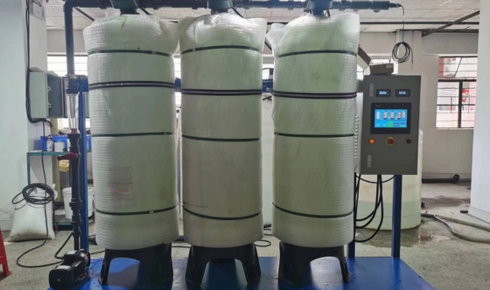
    That’s why partnering with a commercial water purification company is almost non-negotiable in those industries. These companies aren’t just selling filters; they design systems tailored to the specific needs of a business. Whether it’s ensuring spotless glassware in a restaurant, maintaining boiler efficiency in a factory, or guaranteeing safe water in a hospital — their expertise keeps the wheels turning. Homeowners can actually learn a lot from this approach. It’s not always about picking a shiny machine from a store shelf; it’s about matching a system to your actual needs.


    The Sticker Shock Factor

    Let’s be honest. The biggest hesitation when people consider upgrading water systems is cost. The equipment itself isn’t always cheap, but the installation fees can really catch you off guard. I’ve seen quotes that made homeowners backpedal faster than you’d imagine.

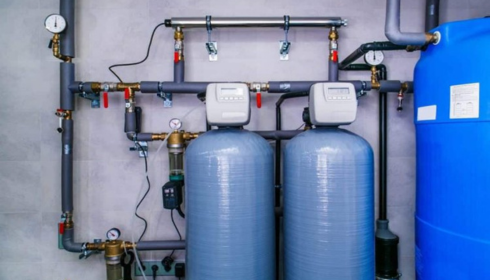
    One common area of confusion is the water softener installation cost. It varies widely depending on the size of your home, the complexity of your plumbing, and the brand you go with. Some basic setups might be a few hundred dollars, while larger, more sophisticated systems can run into the thousands. And sure, the upfront investment stings. But compare that to replacing appliances early, repairing clogged pipes, or endlessly buying bottled water — suddenly, the long-term math makes sense.


    Learning to Ask the Right Questions

    Here’s where I think many people trip up: they dive into water system shopping without first asking what problem they want to solve. Do you need softer water for your skin and laundry? Do you want safer drinking water? Or are you tackling iron stains in your sinks?

    Once you identify the actual issue, the process becomes much clearer. For example:

    • If your water tastes off but the hardness isn’t a big deal, a carbon or reverse osmosis system could be plenty.
    • If your appliances are suffering, then a softener is more valuable than anything else.
    • If bacteria or well-water contamination is a concern, UV treatment might be the missing piece.

    In short, don’t start with the product. Start with your water.


    Why Professional Guidance Matters

    I’ll admit, DIY culture is tempting. Watching a few videos online makes you think, “How hard could this be?” But I’ve also seen homeowners install the wrong systems or overspend on something they didn’t really need.

    Professionals — whether local installers or consultants — can test your water, explain the issues, and suggest a solution that actually fits. They’ll also make sure your system is sized correctly, something most people overlook. An undersized filter might look cheaper upfront, but it’ll underperform and frustrate you in the long run.

    And let’s not forget maintenance. Filters need replacement. Softeners need salt. Systems need occasional servicing. A professional can map all that out so you’re not blindsided six months later when the water starts tasting odd again.


    A Personal Reflection on the Investment

    I’ve come to see water systems not as luxury upgrades but as quiet investments in everyday life. You don’t brag about your filtration system to friends at a dinner party, but you feel the difference every single day — in your morning coffee, your skin after a shower, and even in how long your appliances last.

    When you zoom out, it’s almost strange that we spend thousands on kitchen remodels, trendy gadgets, or vacations, but hesitate to invest in something as fundamental as water. Clean water is health, comfort, and peace of mind rolled into one.


    Closing Thoughts

    If you’re stuck in the endless loop of research, my advice is simple: stop chasing the “perfect” solution and start by understanding your actual water needs. From there, the right system reveals itself pretty quickly. Maybe it’s a straightforward filter. Maybe it’s a softener. Or maybe it’s a more comprehensive system that tackles multiple issues at once.

    Either way, the goal isn’t perfection. It’s improvement. Every step you take toward better water is a step toward a healthier, easier life at home. And trust me, once you experience the difference, you’ll wonder why you didn’t make the move sooner.

  • When Iron Sneaks Into Your Water: What South Lyon Homeowners Should Know

    When Iron Sneaks Into Your Water: What South Lyon Homeowners Should Know

    There’s something strangely unsettling about turning on the tap and noticing that your glass of water looks just a little off. Maybe there’s a faint orange tint, or the taste reminds you of rusty pipes. If you live in South Lyon or really anywhere across Michigan, chances are you’ve run into this before. Iron in groundwater isn’t exactly rare, but that doesn’t make it any less frustrating for homeowners who simply want clear, good-tasting water. And if you’ve ever scrubbed reddish stains off sinks or battled stiff laundry, you know just how stubborn this mineral can be.

    For folks in our corner of Michigan, iron in well water South Lyon MI is one of those everyday problems that doesn’t get talked about nearly enough. City water users might be spared some of the drama, but private well owners see it firsthand — especially in older wells or areas with higher natural mineral content. It’s not dangerous in small amounts, but it’s certainly annoying, and it can wear down your appliances and patience alike.


    The Many Faces of Iron in Water

    Here’s the thing: not all iron in water is the same. Sometimes it’s dissolved, totally invisible until it oxidizes and leaves behind orange streaks. Other times, it shows up as sediment, little reddish particles that settle at the bottom of your glass. And then there’s the type that combines with bacteria, which can create slime in your pipes. None of it feels particularly pleasant.

    What’s tricky is that iron behaves differently depending on the conditions of your water. Some homeowners try store-bought filters, only to find they clog up way too fast. Others notice their water softener seems to help for a while, but it’s not designed to handle high levels of iron long-term. It’s one of those issues where guessing your way through rarely works.


    Why It Matters More Than Just Aesthetic

    Let’s be honest — people usually notice the cosmetic side first: rusty stains in toilets, discolored laundry, or that metallic aftertaste in coffee. But over time, iron can do real damage. It can clog pipes, shorten the lifespan of water heaters, and coat your plumbing with mineral buildup that’s a nightmare to reverse. If you’re investing in appliances or updating your home, the last thing you want is untreated water quietly undoing all that effort.

    That’s why professionals stress the importance of testing. Before you throw money at a random product, knowing exactly what type of iron you’re dealing with makes the difference between fixing the problem and just patching it up temporarily.


    A Local Perspective: South Lyon and Beyond

    South Lyon has its share of beautiful neighborhoods, but like much of Michigan, groundwater here naturally carries higher mineral loads. Wells tap directly into aquifers, which means whatever is in the local geology — iron included — makes its way into your faucet. And since every well is a little different, what works for one household might not work for another.

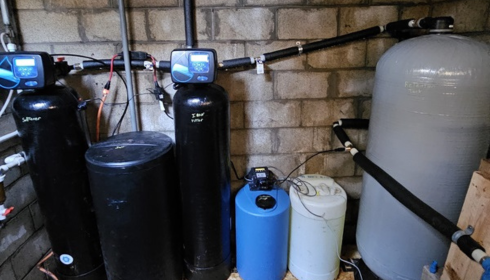
    Some homeowners find success with simple cartridge filters, while others need a dedicated treatment system. In fact, many choose to install a whole-house iron filter for well water Michigan specialists recommend, designed to handle the specific conditions found in our region. It’s not about overcomplicating things; it’s about finding something that lasts longer than a quick fix and actually improves day-to-day living.


    Sorting Through the Solutions

    If you start researching iron removal, you’ll quickly find yourself in a sea of options: oxidation filters, aeration systems, water softeners with iron media, chemical injection setups, and more. The good news is there isn’t just one “correct” answer — the right system depends on your water test results.

    For example:

    • Dissolved iron often responds well to oxidation or air injection systems.
    • Particulate iron may be better caught by sediment filters.
    • Iron bacteria, the slimy culprit, usually needs a stronger treatment like chlorination combined with filtration.

    The downside? Without testing, you might end up spending money on the wrong approach. It’s like trying to fix a car problem without ever popping the hood. A quick lab or in-home test usually pays for itself by pointing you toward the right system.


    Everyday Relief (and Peace of Mind)

    Imagine not worrying about scrubbing your shower every few days, or your favorite white shirts coming out of the washer with an orange tint. For many families, the relief of cleaner water goes beyond convenience — it feels like regaining control over your home. And while iron isn’t the scariest contaminant out there, the comfort of knowing your water is truly clean shouldn’t be underestimated.

    That’s why local experts often highlight the best iron removal system South Lyon homeowners can count on. It’s not about selling fancy gadgets; it’s about matching the treatment to the water so the problem stays solved. When you see the difference in taste, clarity, and even the way your appliances hold up, you realize it was never just about stains — it was about improving daily life.


    Final Thoughts

    Iron in your water isn’t a personal failing, and it’s not something you should just “put up with.” It’s a natural part of living in a region with mineral-rich groundwater. But natural doesn’t mean unavoidable. With the right testing and the right system, you can reclaim your taps, your laundry, and frankly, your peace of mind.

  • Clean Water, Clear Mind: Why Reverse Osmosis Is Quietly Becoming a Household Essential in the UK

    Clean Water, Clear Mind: Why Reverse Osmosis Is Quietly Becoming a Household Essential in the UK

    There’s something oddly comforting about pouring yourself a glass of water and knowing it’s genuinely clean. Not just “tap-water clean,” but properly filtered, crisp, and fresh—like the kind you’d get in a countryside spring. In the UK, we often take our water for granted, assuming the treatment plants have done all the hard work for us. And to be fair, they do a decent job. But anyone who’s lived in a hard-water area, dealt with limescale on the kettle, or tasted that faint chlorine edge will know: the tap doesn’t always deliver perfection. That’s where reverse osmosis comes in, quietly revolutionising how households think about water.


    Why the Fuss About Filtration?

    Water quality is one of those things you don’t notice until it goes wrong. A funny taste, a stubborn build-up on your showerhead, or worse, the uneasy feeling that you’re drinking more than just water. While UK standards are strict, pipes can be old, and treatment processes sometimes leave behind a cocktail of trace chemicals, salts, and sediments.

    People are becoming more conscious about what they consume—whether it’s organic veg from the farmer’s market or reusable coffee cups. So naturally, the question arises: why not give the same level of care to the most essential thing we put into our bodies daily?

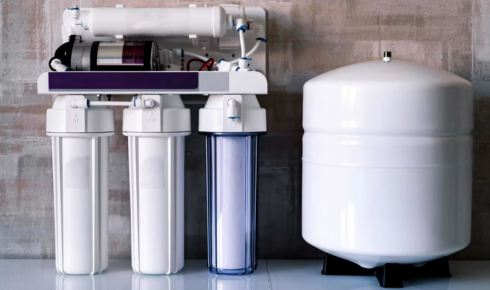
    A reverse osmosis water filter works almost like a safety net. It doesn’t rely on a single stage of filtration but layers several, ending with a semi-permeable membrane so fine that even tiny dissolved contaminants struggle to get through. What you’re left with is essentially pure H₂O—clean, neutral, and refreshingly crisp.


    The Subtle Differences You Can Taste (and Feel)

    If you’ve never tried RO water before, you might be sceptical. “Water is water, isn’t it?” But anyone who’s made a cup of tea with filtered water will tell you: it’s different. Your builder’s brew tastes smoother, less metallic. Coffee fans swear the notes come through more clearly. Even cooking pasta or rinsing rice somehow feels cleaner.

    And it’s not all about flavour. Think of the limescale that coats kettles and clogs dishwashers—reverse osmosis drastically reduces the minerals responsible for those deposits. Over time, your appliances breathe a little easier, and you may find fewer repair bills landing on the doormat. It’s the kind of change you don’t appreciate immediately, but a year down the line, it’s obvious.


    Installation Isn’t Just for the “Techy” Types

    Here’s where a lot of people hesitate. They imagine complicated plumbing, tools strewn across the kitchen floor, and half a day lost fiddling with pipes. In reality, modern systems are surprisingly straightforward. Many are designed to fit neatly under a standard kitchen sink, taking up less space than you’d think.

    For households less keen on DIY, professional reverse osmosis installation is widely available across the UK. Local plumbers or specialist companies can usually get it done within a couple of hours. Once fitted, maintenance is mostly about replacing pre-filters every six months or so and swapping the main membrane every couple of years. It’s no more effort than remembering to change a boiler filter or book in your annual MOT.

    The peace of mind that comes with knowing your water is filtered to such a fine standard often outweighs the minor hassle of upkeep.


    Whole House or Just the Kitchen?

    This is where it gets interesting. Some people are perfectly content with a kitchen-based system, since that’s where most drinking and cooking happens. But there’s a growing trend, especially among families in hard-water regions, to go bigger—much bigger. A whole house reverse osmosis setup essentially treats every drop that enters your property, whether it’s destined for your glass, your shower, or your washing machine.

    Imagine showering without dealing with soap scum or that tight, dry feeling on your skin. Imagine laundry that comes out softer without relying on heavy doses of conditioner. For households with sensitive skin or young children, the benefits are even more noticeable. It’s a bigger investment, of course, but for those who can stretch to it, the comfort and convenience are unmatched.


    Environmental and Lifestyle Benefits

    There’s also the wider question: what about bottled water? The UK spends millions every year on it, with plastic bottles piling up despite recycling efforts. Installing a home system cuts down on that dependence almost overnight. Suddenly, you don’t need to lug packs of bottled water from the supermarket. You just turn on the tap, and there it is—clean, filtered water on demand.

    Environmentally, it’s a quiet but powerful shift. One less case of bottles purchased might not seem like much, but multiply that across thousands of households and the difference adds up. It’s a way of making sustainability part of your daily routine without really thinking about it.


    Cost Versus Value: Is It Worth It?

    Let’s be honest—reverse osmosis isn’t the cheapest option on the shelf. Standard jug filters or inline carbon filters cost less upfront. But much like choosing a quality mattress or a reliable boiler, it’s an investment in health and comfort. Over the years, you’re saving on bottled water, extending the lifespan of appliances, and, arguably most importantly, improving the quality of what you drink every day.

    When you divide the annual cost by the number of litres you and your family consume, the price per glass often works out less than buying bottled water anyway. And unlike supermarket bottles, you’re in control—you know exactly how it’s filtered.


    The Human Side of It

    There’s a psychological comfort that can’t be ignored. In a world where we’re bombarded with news about microplastics, contaminants, and health scares, being able to control something as basic as water feels grounding. It’s not paranoia—it’s practicality. Parents, especially, like the reassurance of knowing their kids’ bottles are filled with the cleanest water possible.

    Friends who visit often notice the taste difference, too. It’s one of those subtle lifestyle upgrades that gets people talking. Like switching to fresh ground coffee or finally replacing that drafty front door—it’s small in the grand scheme of things, but it makes your everyday life tangibly better.


    So, Should You Take the Plunge?

    Reverse osmosis isn’t about paranoia, and it’s not about luxury for the sake of it. It’s about trust, comfort, and quality. Whether you choose a compact under-sink system for drinking water or go all-in with a house-wide setup, the change is real and noticeable.

    For many UK households, the shift has already started quietly. People are installing systems not because it’s trendy, but because once you experience the difference, it’s hard to go back. Clean water has always been a basic need—but now, it’s also a lifestyle choice.

    And if there’s one thing worth investing in, surely it’s the water you drink every single day.

  • Clean Water, Clear Living: Why Southern California is Rethinking Filtration

    Clean Water, Clear Living: Why Southern California is Rethinking Filtration

    There’s something strangely comforting about pouring a glass of water straight from the tap. For some, it’s a given. For others, especially here in Southern California, it’s a hesitant act, followed by a quick sniff or maybe even a raised eyebrow. The truth is, water has become a topic that people discuss with the same seriousness as groceries, rent, or even gas prices. It’s not just about convenience anymore; it’s about trust. And that’s why more households and businesses are turning to professional water filtration systems—not as a luxury, but as a necessity.


    The Not-So-Pretty Picture of Tap Water

    Let’s be honest for a second: water quality across Southern California has always had a mixed reputation. With sprawling cities, industrial hubs, and the constant stress on natural resources, it’s no surprise that people have questions about what exactly is flowing out of their faucets. Hardness, chlorine taste, lingering contaminants—all of it adds up to a daily reminder that “clear” doesn’t always mean “clean.”

    This doesn’t mean local water suppliers aren’t trying. They are. The systems in place meet safety standards. But here’s the catch: “safe” doesn’t always align with “ideal.” The gap between the two is where filtration steps in, giving families and businesses that extra layer of confidence.


    When a Glass of Water Becomes an Investment

    People are starting to view water the way they view health insurance or gym memberships. Sure, you can go without them, but why risk it? Investing in Southern California water purification isn’t about being picky—it’s about long-term peace of mind. Nobody wants to think twice about letting their kids fill up a bottle before soccer practice, or about serving ice at a weekend barbecue. Purification takes that hesitation away.

    Interestingly, many homeowners mention taste before anything else. The first time they drink filtered water at home, it’s almost like rediscovering water. “So this is what it’s supposed to taste like,” they’ll say. And from that moment, they’re hooked.


    Beyond Homes: Businesses Are Catching On

    It’s not just about families around the dinner table anymore. Restaurants, coffee shops, gyms, and even offices are realizing the impact water has on their brand experience. After all, what’s the point of using high-quality beans if your coffee still tastes a little metallic? Or running a health-focused studio if clients hesitate to fill their reusable bottles from your dispenser?

    This is where water treatment systems Southern California come into play. For businesses, it’s both a quality upgrade and a trust-building exercise. Customers notice when water tastes clean. They notice when ice is crystal clear. These small touches quietly but powerfully shape their experience.


    The Shift Toward Professional Solutions

    Let’s be real: the market is full of do-it-yourself pitchers and faucet filters. And while they’re fine for short-term fixes, they’re not built to tackle the unique challenges of Southern California’s water. Professional systems, on the other hand, are designed with local conditions in mind—whether it’s tackling mineral-heavy hardness or addressing specific contaminants that come with regional water sources.

    Plus, professional installation often comes with long-term support. This means you’re not just buying a filter; you’re essentially partnering with a team that knows how to keep your water consistently clean. It’s like the difference between changing your own oil versus taking your car to a trusted mechanic. Both might get the job done, but one feels a whole lot more reassuring.


    Why It’s Not Just About Taste

    Sure, taste is the gateway factor, but the benefits go deeper. Reduced scale buildup in appliances. Cleaner dishes. Softer laundry. Even skin and hair that don’t feel like they’ve just been through a desert storm. These aren’t dramatic infomercial promises—they’re everyday perks that add up over time.

    For many, the decision finally comes down to health. Even if the water is technically “safe,” the idea of reducing potential contaminants, from chlorine byproducts to trace metals, is worth the investment. It’s that subtle line between doing the bare minimum for survival and choosing a lifestyle of proactive care.


    The Culture of Water in Southern California

    What’s fascinating is how water is becoming a cultural topic here. People swap notes on filtration systems the way they once talked about car models or vacation spots. “We just had ours installed—our coffee tastes incredible now.” Or, “I don’t know how we survived without it.”

    In a place where conversations about wellness dominate—from yoga to organic food—water is simply the next logical step. After all, it’s not just something we consume; it’s something that literally flows through every aspect of our lives.


    The Bigger Picture: Sustainability

    There’s also an eco-conscious angle that can’t be ignored. More people are realizing that bottled water isn’t a sustainable solution. It’s expensive, it’s plastic-heavy, and ironically, much of it is just filtered tap water anyway. Filtration at the source—right at home or in the workplace—cuts down on waste while providing better quality.

    It’s part of a growing movement where people want to make choices that are good for both themselves and the planet. Clean water without a trail of plastic bottles? That’s a win-win.


    So, Is It Worth It?

    That’s the question many people ask when they start exploring options. And the answer usually depends on how much you value peace of mind. For some, water is just water, and as long as it doesn’t make them sick, they’re fine. For others, it’s about aligning with their values—health, taste, sustainability, and trust.

    The truth is, there’s no universal answer. But in Southern California, where water quality is as much about perception as it is about reality, filtration has become a statement. It says: “I care about what goes into my body and into my family’s.”


    Final Thoughts

    We live in a world where small decisions stack up to create big changes. Water is one of those decisions. Choosing to filter isn’t about being dramatic—it’s about reclaiming a little bit of control in a world that often feels unpredictable.

    And maybe, just maybe, the next time someone offers you a glass of water in Southern California, you’ll take it without hesitation. No sniff. No raised eyebrow. Just a sip of clean, crisp confidence.

  • When Your Water Turns Red: Understanding and Fixing Iron Issues at Home

    When Your Water Turns Red: Understanding and Fixing Iron Issues at Home

    If you’ve ever turned on the tap and been greeted by water that looks a little… rusty, you’re not alone. Iron in water is one of those sneaky problems that a lot of households with private wells or older pipes run into. At first glance, it may not seem like a big deal — just a little discoloration, right? But over time, the effects pile up. Clothes start coming out of the wash with orange stains, sinks and tubs get streaked with reddish-brown marks, and sometimes there’s even a metallic taste that makes your morning coffee taste like it was brewed in a toolbox. Not exactly ideal.

    So what’s actually happening when iron makes its way into your water, and more importantly, how do you deal with it? Let’s dive in.


    Why Iron Shows Up in Your Water in the First Place

    Iron is everywhere — it’s a natural element that makes up a big part of the Earth’s crust. When groundwater passes through soil and rock, it picks up minerals along the way. If you rely on well water, that means your supply is extra vulnerable to picking up iron deposits. And once iron dissolves into the water, it’s stubborn. It doesn’t just sit quietly; it reacts with oxygen and other particles, creating those rusty colors and metallic tastes you notice.

    There are also a few different “types” of iron that might be in your water. Some are dissolved and invisible until they oxidize, while others are already in particle form. Each type needs a slightly different approach when it comes to removing it. That’s where treatment methods come in.


    Everyday Problems Caused by Iron in Water

    Iron itself isn’t toxic — in fact, your body needs it in small amounts. But when it’s in your water, it’s more of a nuisance than a health hazard. Think about:

    • Staining: Towels, white shirts, even your bathroom fixtures start to look dingy and impossible to clean.
    • Taste and Odor: Even if you filter your coffee beans like a pro, a metallic taste in your water can ruin the flavor.
    • Clogging: Over time, iron buildup can create deposits inside plumbing or water-using appliances like dishwashers and water heaters.
    • Bacterial Growth: In some cases, iron-loving bacteria thrive in these conditions, making slimy deposits in your pipes.

    So while you might be able to tolerate it for a while, most people eventually start searching for answers on how to remove iron from water once they realize the long-term damage it causes.


    Solutions That Actually Work

    There’s no one-size-fits-all fix here because the “right” solution depends on what kind of iron you’re dealing with, and how much of it is in your water. Here are a few of the most common methods:

    1. Sediment Filters
      These are great for removing visible iron particles, but they won’t do much for dissolved iron. They act like a first line of defense — good for improving clarity, but not the full solution.
    2. Water Softeners
      Sometimes softeners can reduce low levels of dissolved iron, especially if it’s ferrous iron (the clear kind before it oxidizes). But they’re not designed specifically for iron, so effectiveness can vary.
    3. Oxidation and Filtration Systems
      These systems add air or another oxidizing agent (like chlorine) to convert dissolved iron into solid form, which can then be filtered out. This method is often more reliable for medium to high levels of iron.
    4. Dedicated Iron Filters
      For stubborn cases, investing in an iron filter for well water is often the long-term solution. These are specialized systems designed to specifically handle iron problems, giving you clear, better-tasting water without the constant headache.

    The Role of Rust in Water Treatment

    One of the biggest challenges is that iron doesn’t always travel solo. Once it starts oxidizing, it turns into rust. Rust particles aren’t just unpleasant; they complicate the treatment process because they can clog filters quickly or settle into your plumbing. That’s why rust in water treatment isn’t just a side effect — it’s something that professionals specifically account for when designing filtration systems. Rust changes the texture and composition of water, so if you’re noticing visible reddish-brown specks in your sink, it’s a clear sign your water treatment approach needs to factor that in.


    Signs It’s Time to Do Something

    You don’t need a lab test to tell you there’s a problem (though testing is always helpful). Most homeowners figure it out through these everyday clues:

    • Orange or brown stains in the sink, tub, or toilet bowl.
    • Laundry that looks like it’s been lightly tie-dyed with rust.
    • A faint metallic taste in drinks.
    • Reduced water pressure due to buildup.

    If one or more of these is happening regularly, it’s time to stop ignoring it. The longer iron is allowed to flow unchecked, the more stubborn those stains and deposits become.


    A Real-World Perspective

    Here’s the thing: dealing with iron in water isn’t about chasing some perfect, lab-grade solution. It’s about finding a balance that fits your household’s needs. For some families, a basic filter paired with occasional cleaning is enough. For others, especially those relying on well water in rural areas, a dedicated iron treatment system is worth every penny.

    I’ve heard people say, “Oh, we just live with it, it’s part of country living.” And sure, you can live with it. But you don’t have to. It’s not just about aesthetics — it’s about protecting your pipes, your appliances, and honestly, your sanity. Nobody wants to replace a washing machine after only a few years because iron clogged it up.


    Taking the First Step

    If you’re dealing with iron in your water, start simple: get your water tested. Testing tells you not just how much iron is present, but what type it is. With that knowledge, you can make an informed choice about the treatment method that makes sense for your home.

    From there, weigh your options. Sometimes a small DIY solution will tide you over. Other times, investing in a more robust system is the smarter move. And if you’re not sure, talking to a local water treatment professional is never a bad idea — they’ve likely seen every possible scenario in your area.


    Final Thoughts

    Water should be something you take for granted — clear, clean, and refreshing every time you turn on the tap. When iron sneaks in, it’s easy to brush it off as just a minor inconvenience. But over time, those little annoyances become bigger, more expensive problems.

    The good news? With the right approach, you can solve it. Whether it’s a filter, a softener, or a full system designed specifically for iron, there’s a fix out there for every situation. And once you take the leap, you’ll never look at your once-rusty tap water the same way again.

    Because let’s be real: no one deserves to drink water that tastes like pennies or deal with towels that look like they’ve been stained with clay. Life’s too short for that kind of hassle.