Water is something most of us use without giving it much thought. We turn on the faucet, fill a glass, start the washing machine, or jump into the shower and carry on with the day. But when the water tastes unusual, leaves mineral marks behind, or starts affecting appliances, it becomes hard to ignore.
The good news is that figuring out what’s going on doesn’t have to be complicated. A simple water test can reveal useful information about the condition of your supply and help you decide whether treatment is actually necessary. Instead of buying equipment based on a guess, you can start with facts.
Why Testing Your Water Makes Sense
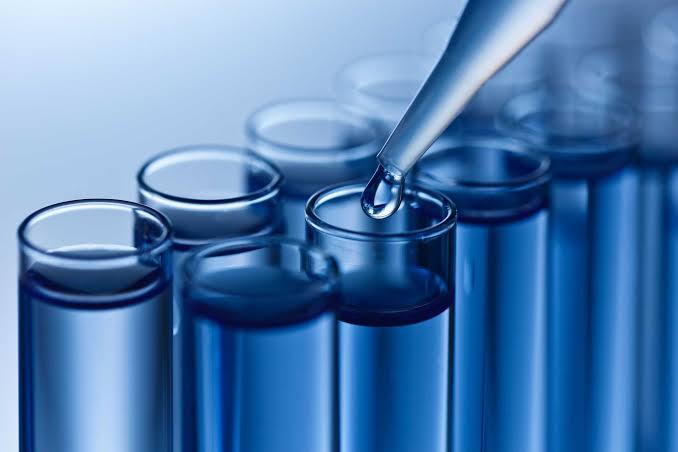
Water can contain minerals, sediment, and other substances that aren’t obvious just by looking at it. Clear water isn’t necessarily problem-free, and unusual taste doesn’t always tell you exactly what is causing it.
A basic free water testing service can be a convenient starting point for homeowners who want to understand their water better. Depending on the testing offered, results may provide information about hardness, pH, chlorine, iron, sediment, or other characteristics.
This information can help point you toward the right treatment rather than leaving you to sort through dozens of products and confusing technical terms.
Different Homes Have Different Water Concerns
There isn’t one water problem that affects every household in the same way. A home supplied by municipal water may have different concerns from one relying on a private well.
Hard water, for example, can leave white deposits on faucets and shower doors. It may also contribute to mineral buildup inside water heaters and appliances. Another household might be more concerned about taste or odor.
Well owners have an additional reason to pay attention because groundwater conditions can change over time. Seasonal changes, heavy rainfall, nearby land activity, or other environmental factors can influence water quality.
That’s why testing is more useful than assuming your neighbor’s treatment system will work perfectly for you.
Don’t Buy a System Just Because It Looks Impressive
Water treatment equipment can be expensive, and it’s easy to get distracted by long lists of features.
A system with more filters, more stages, or a higher price tag isn’t automatically the right choice. If your main concern is hard water, for instance, a water softener may be more relevant than a complicated purification system.
Likewise, if taste and chlorine are your main concerns, carbon filtration could be worth considering.
The goal should always be to solve the actual problem. Good treatment is targeted treatment.
Look for Honest Advice
Choosing a water treatment provider can feel a bit like choosing a mechanic. You want someone who understands the equipment, but you also want someone who won’t recommend unnecessary work simply because it increases the bill.
That’s why honest recommendations matter.
A trustworthy professional should be willing to explain what the test results mean, what treatment options are available, and what the advantages and limitations of each option might be.
Don’t be afraid to ask straightforward questions. What does this system remove? How often do the filters need changing? What will maintenance cost? Is the equipment necessary, or is there a simpler option?
Clear answers are usually a good sign.
Think About How Your Household Uses Water
Water treatment isn’t just about what’s in the water. It’s also about how much water your household uses and where it is being used.
A family with several bathrooms, multiple appliances, and high daily consumption may need a different setup from a small household.
If the concern affects the entire property, whole-home treatment may make sense. If the issue is mainly drinking-water taste, a point-of-use system in the kitchen could be enough.
Understanding your actual needs can prevent you from paying for capacity or equipment you don’t need.
Installation Can Affect Performance
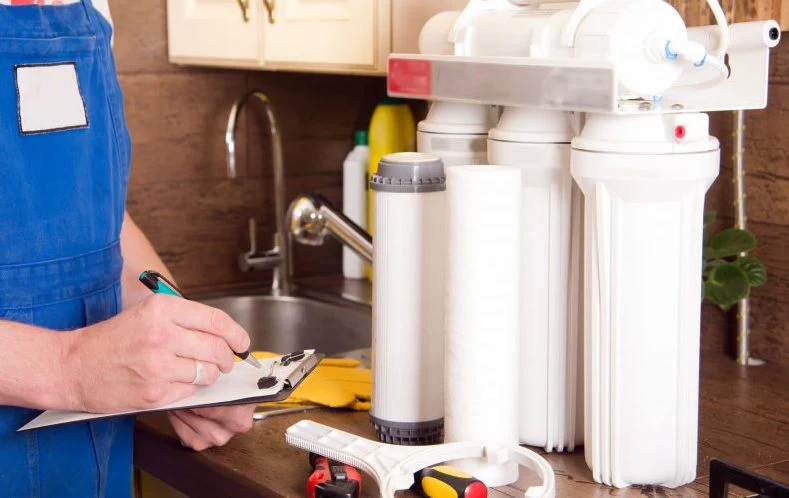
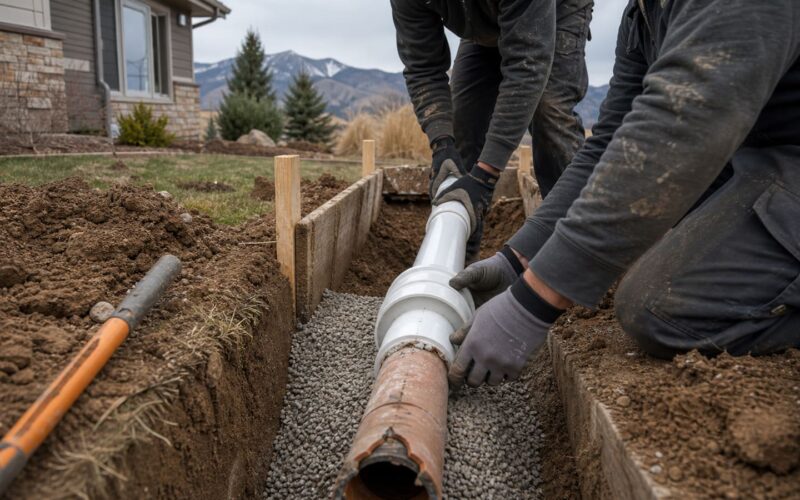
Even excellent equipment can perform poorly when installed incorrectly. Water pressure, plumbing configuration, drainage, electrical requirements, and available space all need to be considered.
This is why professional installations can be worth the investment. Proper installation helps ensure that the equipment is connected and configured according to its requirements.
It can also make future maintenance easier. Filters should be accessible, valves should be arranged logically, and service components shouldn’t be buried somewhere that requires half the utility room to be dismantled.
A neat installation isn’t just about appearance. It can make the system easier to operate and maintain.
Maintenance Keeps the System Working
Installing a water treatment system doesn’t mean you can forget about it forever.
Filters eventually become saturated. Water softeners may need salt and periodic servicing. Reverse osmosis membranes have a limited service life. Other equipment may require inspections or replacement parts.
Keeping up with routine maintenance helps protect the investment and maintain treatment performance.
It’s a simple habit that can prevent some surprisingly frustrating situations. Nobody wants to discover that the system they’ve been relying on hasn’t been working properly for months.
Set reminders for filter changes and service appointments. It takes a few minutes and can save considerable hassle later.
Consider the Long-Term Cost
The purchase price is only one part of the cost of owning a treatment system.
Before making a decision, consider installation, replacement filters, maintenance, electricity, salt if required, and potential repair expenses.
A cheaper system may look attractive initially but become expensive if replacement parts are difficult to find or servicing is complicated.
On the other hand, spending more isn’t automatically smarter either. The best value usually comes from equipment that matches your water conditions, household usage, and maintenance expectations.
Better Water Starts With Better Information
The biggest advantage of testing isn’t necessarily the test itself. It’s what you can do with the information afterward.
Once you understand your water, you can make a more informed decision about whether treatment is needed and what type of system makes sense. You can compare options without feeling pressured into buying something simply because it sounds advanced.
Water treatment doesn’t need to be mysterious or overwhelming. Start with the basics, ask questions, and work with people who are willing to explain their recommendations honestly.
In the end, the goal is pretty simple: water that works well for your home, your family, and your everyday routines. Sometimes getting there takes sophisticated equipment. Sometimes it takes a surprisingly simple fix. Either way, knowing what you’re dealing with first is usually the smartest place to begin.