Water is part of nearly everything we do at home. We use it to cook dinner, wash clothes, clean the bathroom, and get ready for the day. Because it is so familiar, it’s easy to overlook its quality until something starts to change. Maybe the showerhead develops stubborn white deposits, the kettle needs cleaning more often, or the dishwasher leaves spots on otherwise clean glasses. These small annoyances can be signs that the water entering your home deserves a closer look.
The good news is that many common water problems can be managed with the right information and suitable treatment. Understanding what causes them is the first step toward protecting household equipment, reducing unnecessary cleaning, and making everyday routines a little easier.
Why Mineral Deposits Develop Around the Home
One of the most common causes of household scale is hard water. As groundwater moves through soil and rock, it can collect dissolved calcium and magnesium. These naturally occurring minerals usually don’t make water unsafe to drink, but they can leave visible deposits when water evaporates.
You may notice chalky marks around kitchen taps, cloudy shower screens, or a crust forming inside your electric kettle. At first, these deposits might disappear with a quick wipe. Over time, however, they can become harder to remove, especially in areas that remain wet throughout the day.
This gradual mineral buildup can also occur inside plumbing fixtures and water-using appliances, where it isn’t immediately visible. Heating elements and narrow passages may be particularly affected because mineral deposits can accumulate as water is heated or repeatedly evaporates. The severity depends on the hardness level, water temperature, usage patterns, and equipment design.
Not every stain is caused by hardness, though. Orange or reddish marks may indicate iron, while unusual odors could have another source. Understanding the difference matters because a treatment designed for calcium and magnesium may not solve a separate water quality problem.
How Water Quality Can Affect Household Appliances
Appliances often give subtle clues that something isn’t quite right. A dishwasher might need more frequent cleaning, a washing machine may develop residue, or a water heater could accumulate scale over time. These issues don’t always mean the equipment is failing, but they can signal that maintenance or a closer look at the water supply is worthwhile.
Hardness-related deposits may reduce heat transfer on affected surfaces and contribute to extra maintenance. Depending on the appliance and the severity of the scale, this can influence appliance performance over time. However, other factors, including age, worn components, incorrect settings, and poor maintenance, can also cause problems.
It’s useful to follow the manufacturer’s cleaning instructions rather than relying on one universal remedy. Some appliances are compatible with specific descaling products, while others require gentler methods. Using the wrong cleaner can damage seals, finishes, or internal components, turning a small maintenance task into an expensive repair.
Pay attention to changes rather than waiting for a complete breakdown. If an appliance becomes unusually noisy, heats water more slowly, or stops delivering the results you’re used to, check the user manual and arrange professional service when necessary.
Start With a Clear Picture of Your Water
Before purchasing treatment equipment, find out what’s actually in your water. Guessing can lead to unnecessary expense, particularly when different problems produce similar symptoms.
For example, a household might experience hard water alongside elevated iron levels. A standard softener may help address hardness, but the iron could require additional treatment depending on its concentration and form. Similarly, an unpleasant taste doesn’t automatically mean that water is hard or that a softener will improve it.
Professional water testing can help identify the characteristics that matter for your situation. Depending on the water source and your concerns, testing may include hardness, pH, iron, manganese, total dissolved solids, and selected contaminants. Private well owners may need additional tests based on local risks and the history of the property.
If your home receives municipal water, the local water quality report is a useful starting point. It provides background information about the public supply, but it may not reflect changes occurring inside your property’s plumbing. Where there are concerns about lead or other plumbing-related contaminants, testing at the appropriate tap may be necessary.
Ask for a clear explanation of the results. A useful report should help you understand which measurements are outside your desired range, what they mean, and whether treatment is actually needed.
Choosing the Right Treatment for Hard Water
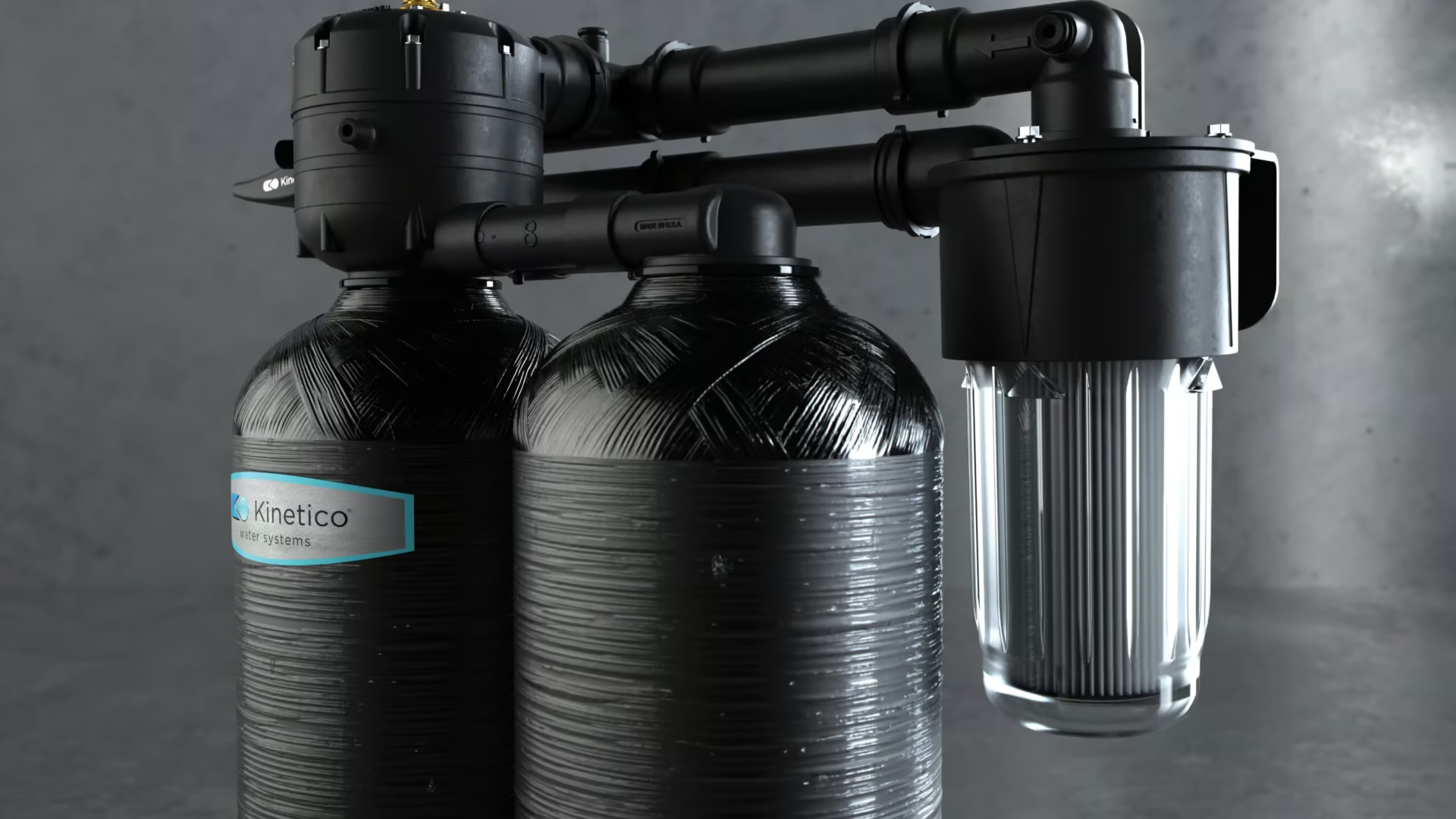
If testing confirms that hardness is the main concern, a water softener may be worth considering. Conventional ion-exchange systems reduce calcium and magnesium by passing water through a specialized resin. When the resin becomes saturated, it regenerates so it can continue treating water.
For many homes, this process can help reduce new scale deposits, improve soap lathering, and make bathroom cleaning less frustrating. It may also help limit hardness-related scale inside compatible appliances and plumbing.
System size matters. A unit that’s too small may struggle to meet demand during busy periods, while an unnecessarily large system could increase the purchase price and operating costs. The right choice depends on water hardness, household size, daily consumption, and peak usage.
Salt-free conditioners are another option, although their purpose differs from conventional softening. Many are designed to reduce scale formation rather than remove calcium and magnesium from the water. Their results depend on the particular technology and water chemistry, so ask the supplier to explain what the equipment can and cannot do.
Remember, no single treatment system addresses every possible issue. If testing identifies concerns involving sediment, specific chemicals, or microorganisms, the appropriate treatment may be entirely different.
Simple Habits That Help Prevent Problems
Water treatment equipment works best when it is supported by regular maintenance. Follow the manufacturer’s instructions for cleaning, filter replacement, salt replenishment, and scheduled servicing. A system that is neglected may gradually become less effective, even if it worked well when first installed.
Around the house, remove visible scale before it becomes difficult to manage. Clean showerheads according to their manufacturer’s guidance, wipe wet fixtures when practical, and use suitable products on affected surfaces. These small habits won’t change the hardness of incoming water, but they can help keep deposits under control.
It’s also wise to monitor changes in taste, odor, appearance, or water pressure. Sudden changes deserve attention, especially in homes that depend on private wells. They may indicate a plumbing issue, a change in source water, or a treatment system that needs inspection.
Keep records of water tests and maintenance visits. If a problem returns, those records can help identify patterns and give a technician a useful starting point.
Protecting Your Home Without Overspending
Water treatment should solve a real problem, not create another unnecessary expense. Before agreeing to an installation, ask the provider to explain the recommended equipment, expected results, maintenance schedule, and total ongoing costs. Compare those details with your test results and household needs.
Be cautious of sales claims that promise to remove every contaminant with one device or guarantee dramatic savings without supporting information. A reliable provider should be willing to discuss the limits of a system as openly as its advantages.
You don’t necessarily need the most advanced equipment available. Sometimes a straightforward softener is sufficient; in other situations, filtration or a combination of technologies may be more appropriate. The decision should follow the evidence.
Better Water Begins With Better Information
Household water quality may seem like a minor concern until it starts affecting daily routines. Stubborn deposits, extra cleaning, and appliance maintenance can become frustrating when the underlying cause remains unresolved.
Start by identifying the symptoms, testing the water where appropriate, and choosing a treatment that matches the results. Combine that decision with sensible maintenance, and you’ll be in a much stronger position to manage water-related problems over the long term.
The aim isn’t to make water treatment complicated. It’s to understand what’s happening in your home, spend money where it will genuinely help, and enjoy the everyday benefits of a system that suits your needs.