Most people don’t think much about their HVAC system when everything is working as it should. The house is warm when it’s cold outside, cool when summer arrives, and the thermostat quietly does its job. It’s easy to forget there’s a fairly complicated machine working behind the scenes.
Then something goes wrong.
Maybe the air conditioner starts running longer than usual. Perhaps the furnace makes a strange noise, or one room suddenly feels much warmer than the rest of the house. These problems rarely appear at a convenient time. That’s why taking care of your HVAC system before something breaks can be such a sensible investment.
Maintenance Is About More Than Preventing Breakdowns
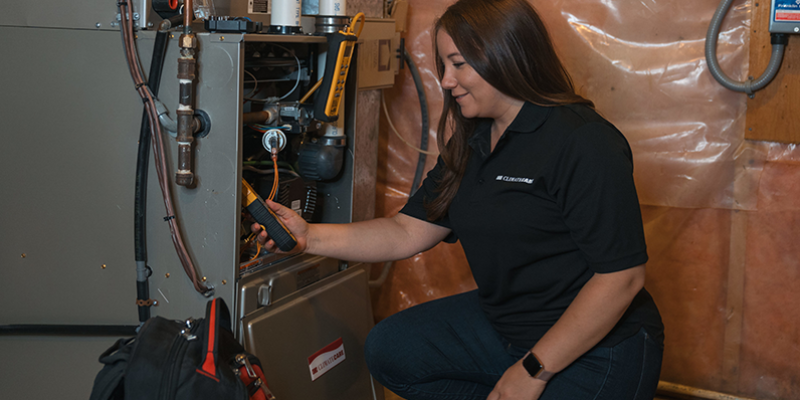
Regular hvac maintenance plans can make it easier to stay ahead of common heating and cooling problems. Instead of waiting for a complete failure, scheduled service gives a technician an opportunity to inspect the system and notice signs of wear.
Depending on the equipment, maintenance may include checking filters, electrical connections, airflow, coils, drainage, safety controls, moving parts, and other components.
It doesn’t mean your HVAC system will never break down. Nothing can promise that. But finding a worn part early is usually better than discovering it after the system stops working on the hottest or coldest day of the year.
Your Air Conditioner Works Harder Than You Realize
During summer, your cooling system may run for long periods, especially when outdoor temperatures remain high.
A central AC system has to remove heat from your home repeatedly throughout the day. Dust, restricted airflow, dirty coils, and aging components can make that job harder.
Modern central air conditioning equipment can be highly efficient, but efficiency depends on more than the equipment itself. Correct sizing, proper installation, clean filters, good airflow, and regular maintenance all matter.
A well-maintained system doesn’t have to fight against problems that could have been avoided.
Don’t Ignore Small Changes
Your HVAC system usually gives you clues when something isn’t quite right.
A sudden buzzing sound, weak airflow, unusual odor, frequent cycling, or uneven temperatures may be worth investigating. Sometimes the cause is minor. Other times, it can indicate a component that is starting to fail.
Homeowners often ignore these signs because the system is still technically working. That’s understandable. Nobody wants to call a technician for every strange sound.
But if a change continues or becomes more noticeable, it’s worth getting a professional opinion. A small repair today can sometimes prevent a much larger repair later.
Furnaces Need Attention Too
Heating equipment can sit quietly for months before winter arrives, and then suddenly it’s expected to run for hours every day. That’s a lot to ask from a system that hasn’t been checked in a long time.
Older furnaces may be especially vulnerable to problems involving airflow, electrical components, burners, blower motors, or other worn parts.
Before the coldest weather arrives, it’s smart to make sure the system is ready. A professional inspection can help identify concerns before you’re relying on the equipment around the clock.
And don’t forget the simple things. A clean filter and unobstructed vents can make a noticeable difference.
Filters Are Easy to Forget
Of all the basic HVAC maintenance tasks, checking the air filter is one of the easiest—and one of the most commonly forgotten.
A dirty filter restricts airflow and can make the system work harder. Depending on the type of equipment and filter, it may also contribute to reduced comfort and increased energy use.
There’s no single replacement schedule that works for every household. Homes with pets, frequent occupancy, construction dust, or certain filtration systems may require more frequent attention.
Instead of blindly following a calendar, check the filter regularly and follow the manufacturer’s recommendations.
Good Airflow Matters More Than You Think
If some rooms are comfortable while others remain too warm or too cold, the HVAC system itself may not necessarily be the problem.
Blocked vents, duct leaks, poor insulation, and airflow restrictions can all create uneven temperatures.
This is why replacing equipment without investigating the rest of the system isn’t always the best solution. A new HVAC unit won’t magically fix a duct that’s leaking conditioned air into an attic or crawlspace.
A professional evaluation can help identify where the real problem lies.
Energy Bills Can Offer a Useful Clue
Energy bills naturally rise during periods of extreme weather. That’s expected.
But if your usage hasn’t changed much and your HVAC-related costs keep increasing, the system may be losing efficiency.
Dirty coils, restricted airflow, aging components, poor insulation, and duct leakage can all make heating and cooling more expensive.
Before deciding that you need a completely new system, have the existing equipment evaluated. Sometimes a tune-up or relatively minor repair can restore performance.
Other times, replacement really is the better option. The important thing is knowing which situation you’re dealing with.
When Repair Makes More Sense
Not every HVAC problem requires replacement.
If your system is relatively young and has developed one isolated issue, repairing it may be the most practical choice. Replacing an entire system because of one failed component can be unnecessary.
However, repeated repairs tell a different story.
If you’re constantly fixing the same equipment, energy costs are climbing, and the system struggles to maintain comfortable temperatures, it’s worth considering whether replacement would make more sense financially.
A good technician should explain the options rather than simply pushing you toward the most expensive solution.
Why Professional Service Still Matters
There are a few HVAC tasks homeowners can safely handle, such as changing filters and keeping outdoor equipment free of debris.
More complicated work is another matter.
Electrical components, refrigerant systems, gas equipment, combustion areas, and internal mechanical parts should generally be handled by qualified professionals.
Trying to diagnose or repair these components without the right training can create safety risks and potentially cause additional damage.
Sometimes calling a professional feels like an unnecessary expense. In reality, proper diagnosis can save money by preventing guesswork.
Think About Maintenance Before You Need It
The best time to think about HVAC maintenance is when your system is still working.
Schedule seasonal inspections before peak heating or cooling periods. Keep filters in good condition. Pay attention to changes in performance. Make sure vents aren’t blocked and outdoor equipment has enough room for proper airflow.
These aren’t complicated steps, but together they can make your HVAC system easier to manage.
A Little Attention Goes a Long Way
HVAC equipment isn’t something you should have to worry about every day. That’s actually the goal of good maintenance—to keep problems from becoming the center of your attention.
Regular inspections, sensible repairs, clean filters, proper airflow, and timely replacement when equipment reaches the end of its useful life can all contribute to a more dependable home.
You don’t have to wait for a breakdown to take your heating and cooling system seriously.
A few minutes of attention today might save you an uncomfortable night, an emergency service call, or a much larger repair bill later. And honestly, when the weather outside gets extreme, there’s a lot to be said for knowing your HVAC system is ready for it.