Blog

  • How Real Estate Experts Bring Clarity to Complex Property Disputes

    How Real Estate Experts Bring Clarity to Complex Property Disputes

    Real estate disputes can look simple from a distance. Two parties disagree about a property, a construction project runs into trouble, or a buyer claims that something important was overlooked. But once the documents, valuations, regulations, contracts, and financial consequences enter the picture, things can get complicated rather quickly.

    Property is rarely just about bricks and land. It can involve substantial investments, long-term expectations, development plans, zoning requirements, and future income. When a disagreement becomes serious, having someone who understands the industry can make a meaningful difference.

    That’s where real estate expert witness services can be useful. Experienced professionals can examine technical and financial evidence, explain industry practices, and offer opinions based on their knowledge of the property market. Their role isn’t to simply take sides. Ideally, they help attorneys and decision-makers understand what the evidence actually means.

    Why Real Estate Expertise Matters

    Real estate is a broad field. Residential transactions, commercial properties, land development, construction, leasing, property management, and valuation all involve different considerations.

    An attorney may understand the legal issues perfectly well but still need help with a specialized property question.

    For example, imagine a dispute involving a commercial building that was allegedly overvalued before purchase. Understanding whether the valuation was reasonable might require an examination of comparable properties, market conditions, rental income, property characteristics, and the valuation method used.

    That isn’t simply a legal question.

    It’s a professional real estate question that requires industry knowledge.

    What an Expert Witness Actually Does

    An expert witness may review contracts, appraisal reports, property records, photographs, financial information, inspection reports, zoning documents, market data, and other evidence.

    The exact work depends on the dispute.

    One expert may evaluate a property’s market value. Another may analyze construction practices. Someone with property management experience might examine lost rental income or operating costs.

    After reviewing the evidence, the expert may prepare a written report or provide testimony during a deposition or trial.

    The strongest opinions usually come from a careful process rather than a predetermined conclusion.

    An expert should be able to explain not just what they believe, but why they believe it.

    The Importance of Relevant Qualifications

    A professional doesn’t become the right expert for a case simply because they have worked in real estate for many years.

    The specific experience needs to match the question.

    Highly qualified experts may have backgrounds in appraisal, brokerage, development, construction, property management, finance, or another specialized area. Their education, licenses, certifications, professional experience, and previous work can all be relevant.

    But credentials are only part of the picture.

    An expert should also understand the type of property involved and the market in which it operates. A professional experienced with downtown office buildings may not be the best choice for a dispute involving agricultural land or a specialized industrial facility.

    Relevance is what turns qualifications into useful expertise.

    Property Valuation in Legal Disputes

    Property value is one of the most common issues that can arise in real estate litigation.

    A property’s value may be disputed because of a sale, partnership disagreement, tax matter, divorce proceeding, construction issue, or alleged financial loss.

    Determining value isn’t as simple as checking what a neighboring property sold for.

    Experts may consider location, size, condition, zoning, income potential, comparable transactions, market trends, and the property’s highest and best use.

    Timing can matter too.

    A property valued in a rapidly changing market may have a significantly different value six months later. That’s why experts generally need to establish the appropriate valuation date before conducting their analysis.

    Construction and Development Disputes

    Real estate and construction frequently overlap.

    A development project may involve owners, contractors, architects, engineers, subcontractors, lenders, and investors. When something goes wrong, determining responsibility can become difficult.

    Was the design defective? Were materials unsuitable? Did construction deviate from the plans? Were delays caused by the contractor, weather, permitting problems, or changes requested by the owner?

    An expert with relevant construction or development experience can help examine those questions.

    They may review project schedules, change orders, invoices, inspection reports, drawings, photographs, and communications to understand what happened.

    Sometimes the evidence reveals that several factors contributed to the problem rather than one party being entirely responsible.

    Rental Income and Financial Losses

    Property disputes can also involve claims for lost income.

    Suppose a commercial property becomes unusable because of a construction problem or another event. The owner may claim that they lost rental revenue during the period when tenants couldn’t occupy the space.

    Calculating that loss isn’t necessarily as simple as multiplying monthly rent by the number of months.

    Experts may need to consider vacancy rates, operating expenses, market rents, lease terms, maintenance costs, and whether the property could realistically have remained occupied.

    A sound analysis should account for both expected income and avoided expenses.

    Understanding Market Conditions

    Real estate markets don’t stand still.

    Interest rates, employment levels, new development, local regulations, population changes, and economic conditions can all affect property values and demand.

    An expert evaluating an older transaction may need to understand what the market looked like at that particular time rather than relying entirely on today’s conditions.

    This is particularly important in long-running litigation.

    A property’s current value may be very different from its value when the disputed event occurred.

    Historical market data can therefore become an important part of the analysis.

    Litigation and Consultation Are Not Always the Same

    Experts may become involved in a matter before a lawsuit is filed.

    Attorneys sometimes need an independent professional opinion to understand the strengths and weaknesses of a potential claim. Property owners may also need specialized advice before deciding how to proceed.

    That’s where litigation and consultation services can provide practical value.

    Consulting work may involve reviewing documents, evaluating potential damages, identifying technical questions, or helping attorneys understand industry practices. Testifying work, by contrast, may involve formal reports, depositions, and courtroom testimony.

    The distinction can matter because the expectations and responsibilities may differ depending on the role.

    Clear Communication Is Essential

    Real estate terminology can become confusing quickly.

    Terms involving capitalization rates, zoning, easements, comparable sales, development costs, or market absorption may be familiar to professionals but unfamiliar to jurors.

    A strong expert can explain those concepts without drowning the audience in technical language.

    That doesn’t mean oversimplifying the evidence. It means making complicated information understandable.

    A simple example can sometimes communicate more than a page of technical terminology.

    Preparing for Challenging Questions

    Expert testimony is likely to be tested.

    Opposing counsel may question the expert’s qualifications, data sources, assumptions, valuation methodology, or conclusions.

    Preparation is therefore important.

    An expert should understand the underlying evidence thoroughly and be comfortable discussing both strengths and limitations. If a conclusion depends on an assumption, that assumption should be clearly identified.

    Overconfidence can be risky. A professional who acknowledges reasonable uncertainty may appear more credible than someone who insists every conclusion is absolute.

    Choosing the Right Real Estate Expert

    Selecting an expert should begin with the specific question that needs to be answered.

    Is the dispute about property value? Construction delays? Rental income? Development practices? Property management? Market conditions?

    Once the issue is clear, attorneys can look for professionals whose education and experience directly align with it.

    They should also consider communication skills, independence, professional reputation, methodology, and familiarity with similar disputes.

    The right expert isn’t necessarily the person with the longest résumé. It’s the person whose expertise genuinely fits the problem.

    Turning Property Evidence Into Clearer Answers

    Real estate disputes can involve enormous amounts of information. Contracts, appraisals, photographs, financial records, inspection reports, and market data can quickly become overwhelming.

    A knowledgeable expert can help organize that information into something understandable.

    Whether the issue involves valuation, construction, lost income, development, or another property-related question, specialized expertise can provide context that ordinary evidence may not.

    Ultimately, the value of a real estate expert isn’t simply in having an opinion. It’s in having an opinion that can be explained, supported, questioned, and defended.

    When technical property issues are handled with careful analysis and clear communication, even complicated disputes become easier to understand. And in real estate litigation, where the financial stakes can be substantial, that kind of clarity is worth a great deal.

  • 10 Relaxing Hobbies to Help You Unwind After a Busy Workday

    10 Relaxing Hobbies to Help You Unwind After a Busy Workday

    When coming back from a stressful day at work, one may find it difficult to fully unwind. Thinking about emails, deadlines, appointments, and pending tasks can be difficult to let go of once you get back home. Setting aside some time for fun hobbies could direct your attention into the proper channel and establish a healthy boundary between work and leisure time. A good hobby is not always a complex or costly matter. Engaging in something simple might enable you to slow down and unwind during the evenings.

    Why Making Time for Yourself Matters

    Work not only consumes time; it also affects a person’s mental state after the work schedule is over. However, without proper relaxation methods, Chennai escorts can also benefit from making time for proper relaxation, as stress can continue to bother a person even in the evening hours. In such cases, some hobbies for stress relief could come in handy.

    Any kind of hobby can become a source of something positive that distracts a person from their work-related problems.

    Relaxing Hobbies for Quiet Evenings

    When you feel tired after work, a quiet hobby can smoothly move you into a relaxed mood. So, try these options:

    • Reading: Take a book and spend 20-30 minutes reading it without your phone.
    • Journaling: It can be helpful to note down some thoughts and ideas from the day.
    • Gardening: It can be either an indoor or outdoor activity.
    • Drawing: Do not be afraid to draw. Even simple sketches will occupy you and distract you from stress.
    • Puzzles: Crossword, Sudoku, jigsaw, and other similar puzzles will allow your mind to engage in some relaxing activity.

    Such hobbies for relaxation can easily be added to your evening routine. So, try it!

    Explore Activities That Break the Daily Routine

    Sometimes, simply sitting in silence does not help one get rid of their stress from the day. For Mumbai escorts, physical restlessness or spending many hours behind the computer screen can call for some activities involving movement. Try something like:

    • Walking: Go for a pleasant walk along your residential area, through parks, or along a nearby path.
    • Yoga: Some gentle stretching or basic yoga postures can help you unwind without having to exercise intensely.
    • Cooking: Experiment with something new in the kitchen or cook a dish you love.
    • Photography: Grab your camera or phone and go out exploring the environment and looking for unique angles or details.
    • Music playing: Take your guitar, keyboard, or any other instrument and practice playing it.

    These leisure activities are perfect for those people who want to be engaged in some kind of physical activity after work.

    How to Choose a Hobby That Fits Your Evening Routine

    The ideal hobby should allow you to engage in it without turning your evening into an additional chore. Therefore, Delhi escorts can consider what activities best suit their needs and energy levels after work. So, let’s check these:

    • Check your energy: Read or write when you feel tired. Or try walking or yoga when you have energy to spare.
    • Match your mood: When you are restless, creative hobbies may fit, while when you are too busy, other kinds of hobbies will suit.
    • Make it easy: Choose a hobby that does not require too much effort from you.
    • Think of the time: Even 15-20 minutes will suffice. The session does not have to be long.
    • Experiment: Try several options before deciding what works best for you.
    • The goal is to find relaxing activities that you genuinely look forward to after finishing work.

    Conclusion

    Having time for your relaxation does not necessarily mean making big changes in your schedule. The right kinds of pastimes can provide a very easy way of getting away from your work and doing something fun. It does not matter if you choose reading, gardening, walking, creating, or socializing. The point is to pick something that’ll be enjoyable to you instead of difficult. Just pick something that you’d like to do and don’t try to complicate things. Over time, it will become an important part of your day.

  • Why Regular HVAC Care Can Save You From Bigger Problems Later

    Why Regular HVAC Care Can Save You From Bigger Problems Later

    Most people don’t think much about their HVAC system when everything is working as it should. The house is warm when it’s cold outside, cool when summer arrives, and the thermostat quietly does its job. It’s easy to forget there’s a fairly complicated machine working behind the scenes.

    Then something goes wrong.

    Maybe the air conditioner starts running longer than usual. Perhaps the furnace makes a strange noise, or one room suddenly feels much warmer than the rest of the house. These problems rarely appear at a convenient time. That’s why taking care of your HVAC system before something breaks can be such a sensible investment.

    Maintenance Is About More Than Preventing Breakdowns

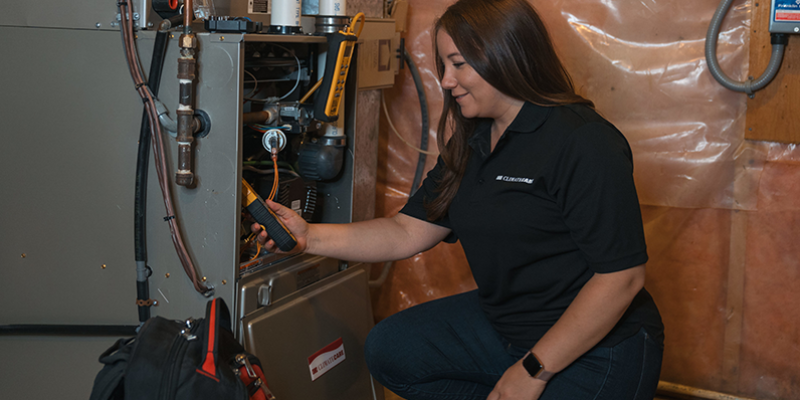
    Regular hvac maintenance plans can make it easier to stay ahead of common heating and cooling problems. Instead of waiting for a complete failure, scheduled service gives a technician an opportunity to inspect the system and notice signs of wear.

    Depending on the equipment, maintenance may include checking filters, electrical connections, airflow, coils, drainage, safety controls, moving parts, and other components.

    It doesn’t mean your HVAC system will never break down. Nothing can promise that. But finding a worn part early is usually better than discovering it after the system stops working on the hottest or coldest day of the year.

    Your Air Conditioner Works Harder Than You Realize

    During summer, your cooling system may run for long periods, especially when outdoor temperatures remain high.

    A central AC system has to remove heat from your home repeatedly throughout the day. Dust, restricted airflow, dirty coils, and aging components can make that job harder.

    Modern central air conditioning equipment can be highly efficient, but efficiency depends on more than the equipment itself. Correct sizing, proper installation, clean filters, good airflow, and regular maintenance all matter.

    A well-maintained system doesn’t have to fight against problems that could have been avoided.

    Don’t Ignore Small Changes

    Your HVAC system usually gives you clues when something isn’t quite right.

    A sudden buzzing sound, weak airflow, unusual odor, frequent cycling, or uneven temperatures may be worth investigating. Sometimes the cause is minor. Other times, it can indicate a component that is starting to fail.

    Homeowners often ignore these signs because the system is still technically working. That’s understandable. Nobody wants to call a technician for every strange sound.

    But if a change continues or becomes more noticeable, it’s worth getting a professional opinion. A small repair today can sometimes prevent a much larger repair later.

    Furnaces Need Attention Too

    Heating equipment can sit quietly for months before winter arrives, and then suddenly it’s expected to run for hours every day. That’s a lot to ask from a system that hasn’t been checked in a long time.

    Older furnaces may be especially vulnerable to problems involving airflow, electrical components, burners, blower motors, or other worn parts.

    Before the coldest weather arrives, it’s smart to make sure the system is ready. A professional inspection can help identify concerns before you’re relying on the equipment around the clock.

    And don’t forget the simple things. A clean filter and unobstructed vents can make a noticeable difference.

    Filters Are Easy to Forget

    Of all the basic HVAC maintenance tasks, checking the air filter is one of the easiest—and one of the most commonly forgotten.

    A dirty filter restricts airflow and can make the system work harder. Depending on the type of equipment and filter, it may also contribute to reduced comfort and increased energy use.

    There’s no single replacement schedule that works for every household. Homes with pets, frequent occupancy, construction dust, or certain filtration systems may require more frequent attention.

    Instead of blindly following a calendar, check the filter regularly and follow the manufacturer’s recommendations.

    Good Airflow Matters More Than You Think

    If some rooms are comfortable while others remain too warm or too cold, the HVAC system itself may not necessarily be the problem.

    Blocked vents, duct leaks, poor insulation, and airflow restrictions can all create uneven temperatures.

    This is why replacing equipment without investigating the rest of the system isn’t always the best solution. A new HVAC unit won’t magically fix a duct that’s leaking conditioned air into an attic or crawlspace.

    A professional evaluation can help identify where the real problem lies.

    Energy Bills Can Offer a Useful Clue

    Energy bills naturally rise during periods of extreme weather. That’s expected.

    But if your usage hasn’t changed much and your HVAC-related costs keep increasing, the system may be losing efficiency.

    Dirty coils, restricted airflow, aging components, poor insulation, and duct leakage can all make heating and cooling more expensive.

    Before deciding that you need a completely new system, have the existing equipment evaluated. Sometimes a tune-up or relatively minor repair can restore performance.

    Other times, replacement really is the better option. The important thing is knowing which situation you’re dealing with.

    When Repair Makes More Sense

    Not every HVAC problem requires replacement.

    If your system is relatively young and has developed one isolated issue, repairing it may be the most practical choice. Replacing an entire system because of one failed component can be unnecessary.

    However, repeated repairs tell a different story.

    If you’re constantly fixing the same equipment, energy costs are climbing, and the system struggles to maintain comfortable temperatures, it’s worth considering whether replacement would make more sense financially.

    A good technician should explain the options rather than simply pushing you toward the most expensive solution.

    Why Professional Service Still Matters

    There are a few HVAC tasks homeowners can safely handle, such as changing filters and keeping outdoor equipment free of debris.

    More complicated work is another matter.

    Electrical components, refrigerant systems, gas equipment, combustion areas, and internal mechanical parts should generally be handled by qualified professionals.

    Trying to diagnose or repair these components without the right training can create safety risks and potentially cause additional damage.

    Sometimes calling a professional feels like an unnecessary expense. In reality, proper diagnosis can save money by preventing guesswork.

    Think About Maintenance Before You Need It

    The best time to think about HVAC maintenance is when your system is still working.

    Schedule seasonal inspections before peak heating or cooling periods. Keep filters in good condition. Pay attention to changes in performance. Make sure vents aren’t blocked and outdoor equipment has enough room for proper airflow.

    These aren’t complicated steps, but together they can make your HVAC system easier to manage.

    A Little Attention Goes a Long Way

    HVAC equipment isn’t something you should have to worry about every day. That’s actually the goal of good maintenance—to keep problems from becoming the center of your attention.

    Regular inspections, sensible repairs, clean filters, proper airflow, and timely replacement when equipment reaches the end of its useful life can all contribute to a more dependable home.

    You don’t have to wait for a breakdown to take your heating and cooling system seriously.

    A few minutes of attention today might save you an uncomfortable night, an emergency service call, or a much larger repair bill later. And honestly, when the weather outside gets extreme, there’s a lot to be said for knowing your HVAC system is ready for it.

  • Free Water Testing Can Be the First Step Toward Better Water at Home

    Free Water Testing Can Be the First Step Toward Better Water at Home

    Water is something most of us use without giving it much thought. We turn on the faucet, fill a glass, start the washing machine, or jump into the shower and carry on with the day. But when the water tastes unusual, leaves mineral marks behind, or starts affecting appliances, it becomes hard to ignore.

    The good news is that figuring out what’s going on doesn’t have to be complicated. A simple water test can reveal useful information about the condition of your supply and help you decide whether treatment is actually necessary. Instead of buying equipment based on a guess, you can start with facts.

    Why Testing Your Water Makes Sense

    Water can contain minerals, sediment, and other substances that aren’t obvious just by looking at it. Clear water isn’t necessarily problem-free, and unusual taste doesn’t always tell you exactly what is causing it.

    A basic free water testing service can be a convenient starting point for homeowners who want to understand their water better. Depending on the testing offered, results may provide information about hardness, pH, chlorine, iron, sediment, or other characteristics.

    This information can help point you toward the right treatment rather than leaving you to sort through dozens of products and confusing technical terms.

    Different Homes Have Different Water Concerns

    There isn’t one water problem that affects every household in the same way. A home supplied by municipal water may have different concerns from one relying on a private well.

    Hard water, for example, can leave white deposits on faucets and shower doors. It may also contribute to mineral buildup inside water heaters and appliances. Another household might be more concerned about taste or odor.

    Well owners have an additional reason to pay attention because groundwater conditions can change over time. Seasonal changes, heavy rainfall, nearby land activity, or other environmental factors can influence water quality.

    That’s why testing is more useful than assuming your neighbor’s treatment system will work perfectly for you.

    Don’t Buy a System Just Because It Looks Impressive

    Water treatment equipment can be expensive, and it’s easy to get distracted by long lists of features.

    A system with more filters, more stages, or a higher price tag isn’t automatically the right choice. If your main concern is hard water, for instance, a water softener may be more relevant than a complicated purification system.

    Likewise, if taste and chlorine are your main concerns, carbon filtration could be worth considering.

    The goal should always be to solve the actual problem. Good treatment is targeted treatment.

    Look for Honest Advice

    Choosing a water treatment provider can feel a bit like choosing a mechanic. You want someone who understands the equipment, but you also want someone who won’t recommend unnecessary work simply because it increases the bill.

    That’s why honest recommendations matter.

    A trustworthy professional should be willing to explain what the test results mean, what treatment options are available, and what the advantages and limitations of each option might be.

    Don’t be afraid to ask straightforward questions. What does this system remove? How often do the filters need changing? What will maintenance cost? Is the equipment necessary, or is there a simpler option?

    Clear answers are usually a good sign.

    Think About How Your Household Uses Water

    Water treatment isn’t just about what’s in the water. It’s also about how much water your household uses and where it is being used.

    A family with several bathrooms, multiple appliances, and high daily consumption may need a different setup from a small household.

    If the concern affects the entire property, whole-home treatment may make sense. If the issue is mainly drinking-water taste, a point-of-use system in the kitchen could be enough.

    Understanding your actual needs can prevent you from paying for capacity or equipment you don’t need.

    Installation Can Affect Performance

    Even excellent equipment can perform poorly when installed incorrectly. Water pressure, plumbing configuration, drainage, electrical requirements, and available space all need to be considered.

    This is why professional installations can be worth the investment. Proper installation helps ensure that the equipment is connected and configured according to its requirements.

    It can also make future maintenance easier. Filters should be accessible, valves should be arranged logically, and service components shouldn’t be buried somewhere that requires half the utility room to be dismantled.

    A neat installation isn’t just about appearance. It can make the system easier to operate and maintain.

    Maintenance Keeps the System Working

    Installing a water treatment system doesn’t mean you can forget about it forever.

    Filters eventually become saturated. Water softeners may need salt and periodic servicing. Reverse osmosis membranes have a limited service life. Other equipment may require inspections or replacement parts.

    Keeping up with routine maintenance helps protect the investment and maintain treatment performance.

    It’s a simple habit that can prevent some surprisingly frustrating situations. Nobody wants to discover that the system they’ve been relying on hasn’t been working properly for months.

    Set reminders for filter changes and service appointments. It takes a few minutes and can save considerable hassle later.

    Consider the Long-Term Cost

    The purchase price is only one part of the cost of owning a treatment system.

    Before making a decision, consider installation, replacement filters, maintenance, electricity, salt if required, and potential repair expenses.

    A cheaper system may look attractive initially but become expensive if replacement parts are difficult to find or servicing is complicated.

    On the other hand, spending more isn’t automatically smarter either. The best value usually comes from equipment that matches your water conditions, household usage, and maintenance expectations.

    Better Water Starts With Better Information

    The biggest advantage of testing isn’t necessarily the test itself. It’s what you can do with the information afterward.

    Once you understand your water, you can make a more informed decision about whether treatment is needed and what type of system makes sense. You can compare options without feeling pressured into buying something simply because it sounds advanced.

    Water treatment doesn’t need to be mysterious or overwhelming. Start with the basics, ask questions, and work with people who are willing to explain their recommendations honestly.

    In the end, the goal is pretty simple: water that works well for your home, your family, and your everyday routines. Sometimes getting there takes sophisticated equipment. Sometimes it takes a surprisingly simple fix. Either way, knowing what you’re dealing with first is usually the smartest place to begin.

  • How Commercial Water Filters Can Make Everyday Water Management Easier

    How Commercial Water Filters Can Make Everyday Water Management Easier

    Water is one of those things businesses depend on constantly but rarely stop to think about. It runs through kitchens, bathrooms, ice machines, coffee makers, laundry equipment, cooling systems, and countless other fixtures. When the water is doing its job, nobody notices. When something changes, though, the problem can quickly become everyone’s problem.

    Unusual taste, mineral spots, sediment, clogged equipment, or frequent maintenance can all point toward water-quality concerns. For commercial properties, the answer isn’t always a complicated treatment system. Sometimes, the first step is simply understanding what is in the water and choosing filtration that fits the actual situation.

    Why Water Quality Matters in Commercial Buildings

    Commercial properties can use enormous amounts of water every day. A restaurant may need it for cooking, washing dishes, making beverages, and producing ice. A hotel has guest rooms, laundry facilities, kitchens, and maintenance areas. Even an office can have dozens of water-dependent fixtures operating throughout the week.

    Because usage is so high, small water-quality issues can become more noticeable over time. Mineral deposits may form around faucets. Sediment can collect inside components. Certain substances may affect taste and odor.

    That’s why water filtration should be viewed as part of sensible facility management rather than simply another piece of equipment.

    Understanding Commercial Water Filters

    Commercial water filters are designed to treat water before it reaches specific fixtures or equipment. The type of filter required depends on the characteristics of the incoming supply.

    Some filters are intended to reduce suspended particles. Others use carbon media to address certain tastes, odors, and disinfectants. Specialized systems may be used for hardness or other water-quality concerns.

    There isn’t one filter that solves every problem. That’s actually a good thing because businesses can choose equipment around their particular needs instead of paying for unnecessary features.

    Why Testing Should Come Before Buying

    It can be tempting to purchase a filtration system simply because another business owner recommends one. But water conditions vary, and what works beautifully in one building may not be appropriate in another.

    A basic water analysis can provide useful information about hardness, pH, dissolved solids, sediment, chlorine, and other characteristics. Once those results are available, choosing treatment becomes much more straightforward.

    Testing can also prevent unnecessary spending. If a suspected problem isn’t actually present, there may be no reason to install expensive equipment in the first place.

    What Cleaner Water Can Mean for a Business

    The phrase cleaner water can mean different things depending on the application. For one business, it might mean reducing sediment. For another, it could mean improving taste and odor. Somewhere else, the priority may be protecting equipment from mineral buildup.

    The goal shouldn’t be to remove everything from water. Many naturally occurring minerals are not automatically a problem. Instead, treatment should focus on characteristics that affect the intended use.

    For example, a restaurant may care deeply about taste and odor because customers consume the water and ice. A manufacturing facility may be more concerned with water chemistry affecting production equipment.

    The application changes the priority.

    How Filtration Can Protect Equipment

    Better water and equipment have a close relationship. Dishwashers, ice machines, coffee systems, boilers, water heaters, and other commercial appliances can all be influenced by the water passing through them.

    Hard water may contribute to scale buildup. Sediment can collect inside valves and filters. Certain water conditions can also contribute to corrosion over long periods.

    Filtration isn’t a cure for every mechanical issue, but properly selected treatment can help reduce specific water-related stresses. This is especially useful for businesses that rely on expensive equipment every day.

    A small maintenance issue is manageable. An unexpected equipment failure during the lunch rush is another story.

    Choosing the Right Filter Capacity

    Commercial filtration isn’t only about what a filter removes. Capacity matters, too.

    A filter must be able to handle the property’s expected flow rate and water volume. A restaurant with high peak demand needs a different setup from a small office with relatively modest usage.

    Businesses should consider daily consumption, peak periods, replacement intervals, installation requirements, and manufacturer specifications before selecting a system.

    Buying an undersized filter can create operational problems, while an unnecessarily oversized system may increase upfront and ongoing costs.

    The Importance of Regular Filter Replacement

    Even a high-quality filter doesn’t last forever. Filtration media eventually reaches its capacity, and performance can decline if replacement is delayed.

    Commercial properties should keep track of filter changes rather than relying on memory. A simple maintenance log can include installation dates, replacement dates, inspections, and any noticeable changes in water taste, pressure, or appearance.

    This sounds basic, and honestly, it is. But basic maintenance is often what keeps equipment dependable.

    Filtration Isn’t a Substitute for Cleaning

    A common misunderstanding is that installing a filter means water-related maintenance is finished. It doesn’t.

    Ice machines still need cleaning. Coffee equipment still needs descaling when appropriate. Dishwashers still require routine servicing. Storage tanks, fixtures, and other components may have their own maintenance schedules.

    Filtration works best as one part of a larger water-management plan.

    When treatment, cleaning, testing, and equipment maintenance work together, businesses have a much better chance of avoiding recurring problems.

    Thinking About Long-Term Value

    The cheapest filtration system isn’t always the least expensive option in the long run. Businesses should look beyond the purchase price.

    Replacement filters, labor, installation, maintenance, water usage, and equipment lifespan all contribute to the total cost of ownership.

    A slightly more expensive system that lasts longer and matches the property’s needs may ultimately provide better value than a low-cost option requiring frequent replacement.

    It’s worth doing the math before making a decision.

    A Practical Approach to Better Commercial Water

    Good commercial water management doesn’t have to be complicated. Start by understanding the water, identify the issues that actually matter, and select filtration based on those findings.

    A properly chosen filter can support equipment, improve certain taste and odor concerns, reduce unwanted particles, and make everyday water management more predictable.

    Most importantly, businesses shouldn’t treat filtration as a one-time purchase. Water conditions can change, filters need maintenance, and equipment still requires regular care.

    In the end, the best system is rarely the one with the longest list of features. It’s the one that quietly does the job it was designed to do, fits the property’s needs, and doesn’t create unnecessary work.

    For a busy commercial operation, that’s the real value of good filtration: fewer surprises, better control, and water that works the way the business expects it to.

  • A Comfortable Home Begins With the Right HVAC Decisions

    A Comfortable Home Begins With the Right HVAC Decisions

    A Comfortable Home Begins With the Right HVAC Decisions

    There’s something almost invisible about a well-functioning HVAC system. You don’t usually notice it when it’s doing its job, and maybe that’s the biggest compliment you can give it. The rooms feel comfortable, the air feels fresh, and the temperature stays where you expect it to be. Life simply carries on.

    The moment that comfort disappears, though, everything changes. A restless night because the bedroom won’t cool down or a chilly morning spent waiting for the furnace to catch up quickly reminds us how much we depend on our home’s heating and cooling system. That’s why making thoughtful HVAC decisions isn’t just about replacing equipment—it’s about creating a living space that feels welcoming every single day.

    Comfort Is About More Than Temperature

    Most people assume comfort begins and ends with the thermostat, but that’s only part of the picture. Indoor air quality, humidity, airflow, and consistent temperatures all work together to shape how your home feels.

    Have you ever walked into one room that’s perfectly comfortable while another feels stuffy or unusually warm? That imbalance is often a sign that your HVAC system isn’t operating as efficiently as it once did.

    Modern home comfort solutions  take a broader approach. Instead of simply producing warm or cool air, today’s systems are designed to improve airflow, regulate humidity, and maintain even temperatures throughout the house. The result is a home that feels naturally comfortable rather than constantly needing thermostat adjustments.

    Recognizing the Signs Your System Needs Attention

    Heating and cooling equipment doesn’t suddenly stop working overnight in most cases. More often, it gives subtle hints long before a complete breakdown occurs.

    You may notice rising energy bills despite similar weather conditions. Maybe the system runs much longer than it used to, or strange sounds begin appearing during startup. Some homeowners deal with hot and cold spots throughout the house, while others experience poor airflow from certain vents.

    These small changes are easy to ignore, but together they often indicate that your system is working harder than necessary.

    Addressing those issues early can prevent larger repairs and help homeowners make informed decisions before an emergency forces them to act.

    Installation Matters More Than Many People Realize

    Choosing high-quality equipment is important, but even the best HVAC unit won’t perform properly if it’s installed incorrectly.

    Every home has unique characteristics. Ceiling height, insulation levels, window placement, ductwork design, and square footage all influence how an HVAC system should be sized and configured.

    That’s why professional hvac installation  plays such an important role in long-term comfort. Experienced technicians evaluate the home as a complete system rather than simply replacing one unit with another. Proper sizing and careful installation help equipment operate efficiently while reducing unnecessary wear over time.

    It’s one of those behind-the-scenes details that homeowners may never see, but they benefit from it every day.

    Energy Savings Often Follow Better Comfort

    Many homeowners begin considering HVAC upgrades because they’re frustrated with monthly utility bills. Older systems naturally become less efficient as components age, forcing them to consume more energy to achieve the same results.

    Newer technology has significantly improved performance without requiring excessive energy use.

    Variable-speed motors, smart thermostats, improved compressors, and better airflow management all contribute to lower operating costs. Instead of constantly cycling on and off, modern systems adjust their output based on the home’s actual needs.

    That means fewer temperature swings and more efficient operation throughout every season.

    Indoor Air Quality Deserves Equal Attention

    Comfort isn’t just about staying warm in winter or cool during summer. The quality of the air you breathe matters just as much.

    Dust, pollen, pet dander, and other airborne particles circulate throughout a home’s ventilation system every day. Modern HVAC systems often include advanced filtration options that help reduce those contaminants while improving overall indoor air quality.

    Balanced humidity also makes a noticeable difference. Air that’s too dry can cause discomfort during winter, while excessive humidity creates a sticky feeling in warmer months.

    An efficient HVAC system quietly manages both temperature and moisture, creating a healthier indoor environment without demanding constant attention.

    Regular Maintenance Protects Your Investment

    Installing a new HVAC system is only the beginning. Like any major mechanical equipment, it performs best when it’s properly maintained.

    Changing filters regularly allows air to flow freely while reducing strain on the equipment. Annual inspections help identify worn components before they become larger problems. Cleaning coils, checking refrigerant levels, and inspecting electrical connections all contribute to smoother operation.

    Routine maintenance also gives homeowners greater confidence that their system will perform when they need it most—whether that’s during a summer heatwave or the coldest night of winter.

    Preventive care often costs far less than unexpected emergency repairs.

    Thinking Long-Term Instead of Short-Term

    Replacing HVAC equipment can feel like a major expense, so it’s understandable that homeowners sometimes focus only on the upfront cost.

    However, the real value often appears over time.

    Lower utility bills, fewer repair visits, improved indoor comfort, quieter operation, and longer equipment life all contribute to better overall value. Instead of worrying about recurring breakdowns every season, homeowners enjoy the confidence that comes with reliable system performance .

    That peace of mind is difficult to measure, but it’s something families appreciate every single day.

    Choosing the Right HVAC Partner

    The company performing the work matters just as much as the equipment itself.

    Experienced HVAC professionals don’t rush recommendations or push unnecessary upgrades. Instead, they ask questions about the home’s layout, comfort concerns, energy goals, and long-term plans before suggesting a solution.

    A trustworthy contractor also explains maintenance requirements, warranty coverage, and expected operating costs so homeowners can make confident decisions.

    That level of transparency helps build relationships that continue long after installation day.

    Creating a Home That Feels Comfortable Every Season

    Every family wants a home where they can relax without constantly adjusting the thermostat or worrying about unexpected equipment failures. True comfort isn’t created by expensive technology alone—it’s built through thoughtful planning, quality installation, and equipment that matches the home’s unique needs.

    Whether you’re replacing an aging system or planning for the future, investing in the right HVAC solution improves far more than indoor temperature. It creates quieter evenings, healthier air, lower energy consumption, and greater confidence throughout every season.

    At the end of the day, comfort isn’t something people should have to think about. When your HVAC system is designed and installed correctly, it quietly works in the background, allowing you to enjoy your home exactly the way it was meant to be enjoyed—comfortably, efficiently, and without unnecessary worry.

  • The Best Water Treatment Solution Starts With Understanding Your Water

    The Best Water Treatment Solution Starts With Understanding Your Water

    Most people don’t wake up one morning planning to shop for a water treatment system. It usually begins with something small. Maybe the coffee doesn’t taste quite right anymore. Perhaps the shower leaves your skin feeling unusually dry, or white mineral spots suddenly appear on every clean glass coming out of the dishwasher.

    At first, those changes seem like little annoyances. Over time, though, they become reminders that the water flowing through your home may not be working in your favour.

    The good news is that cleaner, better-quality water is often easier to achieve than many homeowners expect. The important part isn’t buying the most expensive filtration system on the market—it’s finding a solution that’s actually designed for your home’s unique water conditions.

    That journey always begins with learning what’s in your water.

    Every Home Has Different Water Challenges

    It’s surprising how much water quality can vary from one property to the next.

    Two neighbours connected to the same municipal supply may notice different tastes because of plumbing materials inside their homes. Private well owners often experience completely different concerns, from naturally occurring minerals to sediment or sulfur odours.

    That’s why recommendations based solely on online reviews rarely produce the best results.

    Water treatment works best when decisions are based on facts rather than assumptions.

    Understanding the source of the problem makes every step afterward much simpler.

    Testing Before Buying Saves Time and Money

    One of the most valuable services many homeowners overlook is free water testing.

    Rather than guessing whether the issue involves hard water, chlorine, sediment, iron, or another water quality concern, proper testing provides clear answers. It identifies the characteristics of your water so any recommended solution addresses the real issue instead of simply masking symptoms.

    Skipping this step often leads people to purchase equipment they don’t actually need.

    Testing first creates confidence that every investment is based on accurate information rather than trial and error.

    Water Quality Is About More Than Taste

    When people think about water treatment, they often focus only on drinking water.

    In reality, water touches nearly every part of the home.

    It flows through washing machines, dishwashers, coffee makers, refrigerators, water heaters, showers, sinks, and plumbing fixtures. Hard water can leave mineral deposits inside appliances, while certain contaminants may affect taste, odour, or cleaning performance.

    Even soap behaves differently depending on water quality.

    Improving household water isn’t simply about what’s in your glass. It’s about protecting everything connected to your plumbing.

    No Two Solutions Should Be Identical

    One of the biggest misconceptions about filtration systems is that there’s a universal answer.

    There isn’t.

    Some homes benefit from water softeners that reduce hardness minerals. Others need activated carbon filters to improve taste and smell. Certain households may require reverse osmosis for drinking water, while well systems sometimes need sediment removal or specialized filtration.

    That’s where a personalized consultation becomes incredibly valuable.

    Instead of recommending the same equipment to everyone, experienced professionals evaluate water quality, household size, plumbing layout, water usage, and long-term goals before suggesting the most appropriate solution.

    The result is a system that genuinely fits the home rather than forcing the home to fit the system.

    Installation Is Just as Important as the Equipment

    Choosing the right filtration system is only half the process.

    Even excellent equipment depends on proper installation to perform efficiently.

    Correct plumbing connections, balanced water pressure, accessible maintenance points, and careful positioning all contribute to long-term reliability. Small installation mistakes can reduce efficiency, create leaks, or increase maintenance requirements over time.

    That’s why many homeowners choose professional installation instead of attempting complex plumbing modifications themselves.

    A well-installed system often lasts longer, performs better, and requires fewer unexpected repairs.

    Maintenance Keeps Everything Working Smoothly

    Like any equipment that operates every day, water treatment systems need occasional attention.

    Filters eventually become saturated. Reverse osmosis membranes wear out. Water softeners require routine servicing, and periodic inspections help identify small issues before they become larger problems.

    Fortunately, maintenance is usually simple when performed consistently.

    Replacing components on schedule helps preserve water quality while protecting the system itself from unnecessary wear.

    A little preventative care often saves considerable expense later.

    Better Water Quietly Improves Daily Life

    One of the nicest things about a properly functioning water treatment system is that you eventually stop thinking about it.

    Coffee tastes better. Ice cubes become clearer. Dishes dry with fewer spots. Soap rinses away more easily, and showers simply feel more comfortable.

    Water heaters and dishwashers often remain cleaner because mineral buildup decreases, helping appliances operate more efficiently over time.

    These aren’t dramatic changes that transform life overnight.

    They’re small improvements that quietly become part of everyday living.

    Looking Beyond the Initial Investment

    Many homeowners hesitate because they focus only on the purchase price of filtration equipment.

    While cost certainly matters, it’s equally important to consider long-term value.

    Protecting expensive appliances from mineral damage, reducing plumbing maintenance, improving water quality, and extending equipment lifespan often offset much of the original investment over time.

    Viewed across several years, a thoughtfully selected system frequently provides benefits that go well beyond cleaner drinking water.

    It’s an investment in the home’s overall comfort and efficiency.

    Making an Informed Decision

    Buying a water treatment system shouldn’t feel overwhelming.

    The process becomes much simpler when it’s approached step by step.

    Begin by understanding your water. Review professional recommendations based on actual test results. Compare solutions that match your household’s specific needs rather than chasing the newest technology or the biggest system available.

    Quality equipment, proper installation, and routine maintenance work together to create dependable results that continue year after year.

    Clean Water Brings Confidence Every Day

    Water is one of the few things every household relies on constantly. Whether you’re making breakfast, taking a shower, washing clothes, or filling a glass at the kitchen sink, good water quietly supports nearly every part of daily life.

    That’s why investing in water quality is really an investment in your home itself.

    By starting with accurate testing, taking the time to understand your options, and choosing a solution tailored to your needs, you’ll enjoy more than cleaner water. You’ll gain peace of mind, protect your plumbing and appliances, and create a home that’s simply more comfortable to live in.

    Sometimes the best home improvements aren’t the ones everyone notices. They’re the ones that quietly make everyday life better—one clean drop of water at a time.

  • Satta Matka and Madhur Matka: History, Popularity, and Online Trends

    Satta Matka and Madhur Matka: History, Popularity, and Online Trends

    Satta Matka has been a widely discussed number-based game format in India for several decades. It developed as a form of speculative activity where participants followed numbers and results announced through different markets. Among the various names associated with this culture, Madhur Matka has gained attention due to its long-standing presence and popularity among online search communities.

    The growth of digital platforms has changed how people find information about traditional matka systems. Today, users often search for historical details, result updates, and general information related to different matka names. Understanding the background of these terms helps provide a clearer view of their role in online discussions.

    History and Evolution of Satta Matka

    The origin of satta matka dates back to the period when people participated in offline number-based activities. Over time, these systems developed different formats, markets, and naming styles. With the advancement of technology, information about these games moved from local communities to online platforms.

    The term satta matka  is commonly used when discussing this traditional number game culture. It represents a broad category that includes various markets and formats followed by different groups. Although the methods of participation have changed over the years, the interest in number patterns and results continues among enthusiasts.

    Understanding Madhur Matka

    Madhur Matka is one of the well-known names frequently mentioned in discussions about matka markets. Many people search for information related to its history, patterns, and previous results. The popularity of such terms has increased because of online forums and websites that share general information about number-based games.

    The development of internet access has allowed people to explore different aspects of Madhur Matka more easily. However, it is important to understand that results in these games are based on chance and cannot be accurately predicted. Past information may be useful for learning about trends but does not guarantee future outcomes.

    Popularity of Online Matka Information

    The internet has played an important role in making matka-related information more accessible. Search engines, blogs, and online communities have contributed to the growing interest in different matka names and discussions. Many users explore terms like madhur matka  to learn about historical results and market-related updates.

    Online information should always be reviewed carefully because not every source provides accurate details. Some platforms may make unrealistic claims about predictions or guaranteed success. A balanced approach helps readers understand the topic without developing false expectations.

    Role of Results and Number Patterns

    One of the main reasons behind the popularity of matka discussions is the interest in previous results and number patterns. People often analyze historical data to understand how different markets have operated over time. These discussions are common among communities interested in traditional number games.

    The keyword matka results is frequently searched by users looking for updates and historical records. While results can provide information about past events, they cannot determine future outcomes. Each result is independent, and participants should recognize the uncertain nature of such activities.

    Responsible Awareness About Matka Games

    Satta Matka and related activities are considered forms of gambling in many places and may have legal restrictions depending on regional laws. Anyone researching these topics should understand the possible risks and ensure awareness of applicable regulations.

    Learning about the history and structure of matka games can be informative, but participation decisions should always be made carefully. Responsible behavior and proper understanding are important when exploring any activity connected with financial risk.

    Future of Satta Matka Discussions

    As digital technology continues to expand, online discussions about matka games are expected to remain active. Mobile access, social platforms, and search trends will continue influencing how people discover information about different markets and terms.

    The growing interest in keywords such as matka game shows how traditional concepts continue adapting to modern digital environments. However, awareness and responsible choices remain essential while engaging with information related to these topics.

    Conclusion

    Satta Matka and Madhur Matka have become recognized terms within discussions about traditional number-based games. Their popularity comes from a combination of history, online visibility, and community interest. While many people search for results and trends, it is important to remember that these activities involve uncertainty.

    Understanding the background, development, and limitations of matka systems allows readers to view the topic more clearly. Knowledge and responsible awareness are key factors when exploring any gambling-related subject.

  • Celebrate the Bond: The Ultimate Gift Guide for Friendship Day

    Celebrate the Bond: The Ultimate Gift Guide for Friendship Day

    Friendship plays a significant role in our lives. Whenever we are at our lowest point in life, we can count on our friends for support, while when we are at the peak of happiness, it is our friends who make us laugh. Even though we can appreciate our friends any day of the year, Friendship Day is an opportunity to spend our time with our close ones and express our gratitude.

    However, when it comes to choosing the right present for your best friend, it might be quite difficult to figure out which one to give them. Should you choose a sentimental gift? Or should it be a practical one? In order to help you solve this problem, we have put together a list of the best gifts for Friendship Day based on the character of your friend.

    1. For the Person Who Values Souvenirs

    If your buddy collects memorabilia, such as ticket stubs or different cards, he is someone who values remembrance above all. With gifting suggestions from Chennai escorts, you can understand that a thoughtful personal gift indicates the care and effort you put into reflecting upon your experiences.

    Customized Photo Albums: You can order printed pages with quality photos taken during your adventurous moments. Add funny comments to them to make it unique and personal for both parties.

    Customized Maps “Our Story”: When you live on opposite sides of the country or met somewhere specific, getting a framed map indicating the place where you met would be a lovely gesture.

    Personalized Illustration: Order a digital portrait from an artist and have it hanging at their workplace.

    2. For A Friend Who Loves Wellness: Self-care Packages

    There’s that one friend of yours who could always do with just a little bit of pampering. Find a gift that prompts them to unwind and relax.

    Elegant Spa Package: A collection that includes high-end bath salts and organic oils, silk eye sleep mask, and bamboo bathtub tray.

    Notebooks or Planners: Go in for notebooks or planners that help achieve gratitude habits or self-reflections. Combine such presents with luxurious gel pens.

    Oil Diffuser: Given the wide array of oil diffusers available these days, one will choose a perfect model that makes use of relaxing aromatic oils.

    For Creatives and Risk-takers: Experience Gifts make for great presents.

    On some occasions, a gift is more about experience than about a thing. Insights from Bangalore escorts highlight that learning something new together will bring people closer.

    Event Tickets: Booking tickets to a concert or theatrical production that people will love is one of the best possibilities to ensure there is enough quality time together.

    Subscription Baskets: If people can’t be close to each other, they can send a subscription basket every month, for example, a coffee subscription, a book subscription, or a monthly snack subscription.

    4. For the Practical Minimalist: Improved Essential Products

    Does your friend dislike clutter? Focus on “improved utility”, meaning objects that your friend uses daily but probably would not buy for themselves.

    High-End Insulated Water Bottle: An amazing invention that is a stylish and practical water bottle that maintains everything cold for 24 hours is for the person who is always on the go.

    Wireless Charging Station: A stylish charging station would help reduce technological clutter and charge their smartphone, earbuds and watch at the same time.

    High-End Throw Blanket: An excellent throw made of cashmere, quality fabric, or weighted material is a highly useful item that will upgrade their couch.

    In Summary, when it Comes to the “Best” Gift

    What it all comes down to is that the price is irrelevant. Whether you decide to invest in a trendy gadget or simply write a touching letter to your friend, perspectives from Sydney escorts suggest that the meaning behind the gift matters more, as the real key to its value and Friendship Day lies in the intention.

    Friendship Day is a day when we thank our friends for who they are in our lives with the words, “I appreciate your companionship.” A simple handwritten note with a story about a memorable moment spent together will increase a gift’s value tremendously.

    When preparing for Friendship Day, do not forget that the best gift is your presence. Switch off your phone, go to your favorite café or park, and take the time to listen to your friend and to talk to him.


  • Good Vehicle Wraps Depend on Trusted Materials and Skilled Hands

    Good Vehicle Wraps Depend on Trusted Materials and Skilled Hands

    A vehicle wrap can look simple from the outside. A clean colour, a sharp logo, a smooth finish, maybe a bold graphic down the side. But behind that polished result is a chain of decisions that matter more than most people realise. The material matters. The installer matters. The surface preparation matters. Even the way the wrap is planned around door handles, curves, seams, and body lines can decide whether the finished vehicle looks professional or slightly off.

    For businesses, this is not just about making a vehicle look attractive. A wrap becomes part of the brand’s public face. It drives through town, parks outside customer homes, waits near job sites, and keeps introducing the company without saying a word. So, if the wrap fades, bubbles, or starts peeling too soon, it sends the wrong message. Quality should be visible, but it also needs to be built into the process.

    Why Standards Matter in Wrap Work

    Professional wrap work is not guesswork. Shops that follow 3M certification standards generally understand the importance of preparation, material handling, installation technique, and finishing details. That kind of standard can give customers more confidence that the job is being handled with care, not rushed through like a quick sticker application.

    Of course, certification alone does not magically guarantee perfection. But it does show that an installer has taken training seriously and is working with recognised methods. For full wraps, fleet graphics, and high-visibility business vehicles, that level of professionalism can make a real difference.

    The Film Choice Shapes the Result

    Many installers trust Avery Dennison films because they offer a wide range of wrap options for commercial branding, colour changes, accents, and specialty finishes. The right film can help create a smoother finish, better conformability, and stronger long-term appearance when matched properly to the vehicle and project.

    Different vehicles need different thinking. A small car with gentle curves is not the same as a work truck with deep recesses and tool compartments. A delivery van used daily in sun and rain needs a different level of durability than a short-term promotional vehicle. A good shop will not just ask what colour you want. It will ask how the vehicle is used.

    Reliable Materials Build Better Confidence

    There are also projects where ORACAL materials may be a suitable choice, especially for signs, decals, lettering, graphics, and certain vehicle applications. Like any wrap product, the key is using the material for the right purpose. Some films are ideal for flatter surfaces or shorter-term graphics, while others are better suited for complex vehicle wraps.

    This is where experience matters. A customer may not know the difference between cast film, calendared film, laminate, adhesive type, or print compatibility. But a professional installer should. Choosing the wrong material can lead to lifting, shrinking, fading, or awkward results around curves. Choosing correctly helps the wrap perform as expected.

    Design Must Work in Real Traffic

    A vehicle wrap is not viewed like a magazine ad. People see it quickly, often while driving, walking past, or sitting at a traffic light. That means the design has to be clear from a distance. Too much text, tiny details, weak contrast, or overly complicated graphics can make the message disappear.

    For business wraps, the basics matter most: logo, service, phone number, website, and a simple visual style that matches the brand. A wrap should not make people work to understand it. If someone has only three seconds to see the vehicle, the main message should still land.

    Installation Is Where Quality Shows

    The best material can still look poor if installation is rushed. Before wrapping, the vehicle needs careful cleaning and preparation. Wax, dirt, grease, old adhesive, and surface damage can all affect how the film bonds. Once the material is applied, edges, seams, curves, and recessed areas must be handled with patience.

    Good installation often looks effortless when finished, but it is not effortless at all. It takes skill to avoid bubbles, wrinkles, overstretching, and uneven trimming. The cleaner the final result, the more natural the wrap looks on the vehicle.

    Maintenance Helps the Wrap Last

    Once installed, a wrap still needs sensible care. Gentle washing, mild cleaners, and avoiding harsh brushes can help protect the finish. Pressure washing too close to edges can cause problems over time. Parking in shade when possible may also help reduce sun exposure and fading.

    This is not about treating the vehicle like a museum piece. Work vehicles are meant to work. But basic maintenance helps the wrap continue representing the business well.

    A Better Wrap Is a Better Brand Impression

    A quality wrap is a mix of trusted materials, good design, trained installation, and proper care. Each part supports the next. When everything is handled properly, the result is more than a nice-looking vehicle. It becomes a moving brand asset that keeps working day after day.

    In the end, customers may not know which film was used or what installation method was followed. But they will notice whether the vehicle looks sharp, credible, and well cared for. And that impression is exactly why quality matters.