Water plays a part in nearly everything we do at home. We drink it, cook with it, wash our clothes in it, and rely on it for showers and everyday cleaning. So when water starts leaving white marks on taps, tastes a little strange, or seems to affect the way soap works, it’s natural to wonder whether a treatment system might help.
The tricky part is knowing where to begin. Walk into the market, or spend ten minutes browsing online, and you’ll find plenty of products promising cleaner, fresher water. Some are designed to tackle mineral buildup, others focus on drinking water, and a few are intended to treat water throughout the entire house. They may sound similar, but their jobs can be quite different.
The best choice isn’t necessarily the most expensive system or the one with the longest list of features. It’s the one that addresses your actual water quality concerns without adding unnecessary costs or maintenance.
Start by Understanding Your Water
Before comparing equipment, take a closer look at the water coming into your home. Does it leave chalky deposits around the kitchen faucet? Does your drinking water have an unpleasant taste? Have you noticed discoloration, sediment, or a persistent odor?
These observations can help narrow down the possibilities, but they don’t tell the whole story. Hardness, for instance, is usually caused by dissolved calcium and magnesium. Sediment comes from suspended particles, while certain unwanted chemicals and microorganisms may be impossible to detect without proper testing.
If your home receives municipal water, review the local supplier’s water quality report. It can provide useful information about the source and treatment process. However, the report may not reflect changes caused by your home’s plumbing, particularly if the pipes or fixtures are old.
Private well owners have a different responsibility because their water may not undergo routine municipal treatment. Regular laboratory testing can help identify bacteria, nitrates, metals, and other substances relevant to the local environment.
Once you know what’s present, you can choose equipment based on evidence rather than guesswork. It’s a simple step, but it can prevent you from buying a system that solves the wrong problem.
When Water Hardness Becomes a Household Nuisance
Hard water is common in many areas, and its effects tend to show up in small, irritating ways. You might spend extra time scrubbing shower glass, notice mineral rings inside your kettle, or find that freshly washed clothes feel less soft than expected.
In these situations, water softeners may be worth considering. Traditional salt-based models use ion exchange to remove much of the calcium and magnesium responsible for hardness, replacing them with other ions, usually sodium. This can reduce scale formation and make household cleaning easier.
A softener may also help protect water heaters and other appliances from excessive mineral buildup. That doesn’t mean it eliminates every maintenance issue, though. The system needs an appropriate installation, periodic checks, and salt replenishment when required.
There are a few things to weigh before buying one. Salt-based softeners produce wastewater during regeneration, and the amount of sodium added to the water varies with the original hardness. Households concerned about sodium intake may want to discuss their options with a qualified water professional. In some situations, a separate drinking water tap or another treatment approach may make sense.
Salt-free conditioners are also available. These products generally aim to change how minerals form scale rather than remove hardness minerals from the water. That distinction matters. If your goal is to reduce actual water hardness, check what a product is designed and independently verified to do before making a decision.
Improving the Water You Drink and Cook With
Sometimes the main concern isn’t the entire household supply. It’s the water used for drinking, preparing meals, making tea, or filling a reusable bottle.
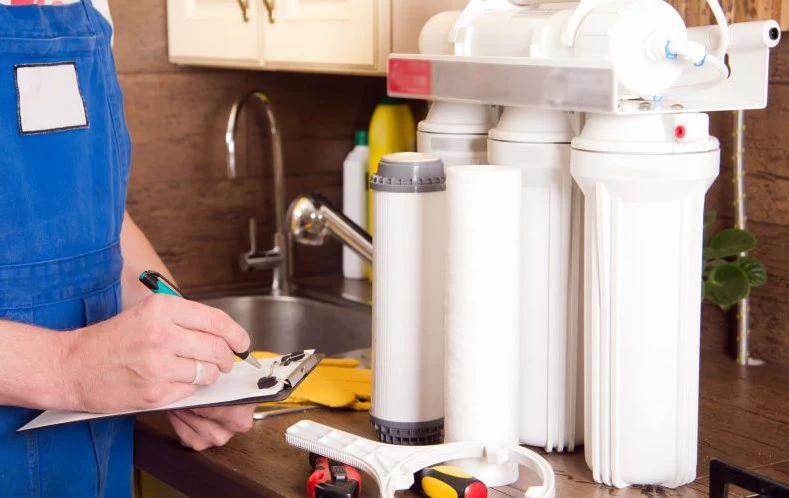
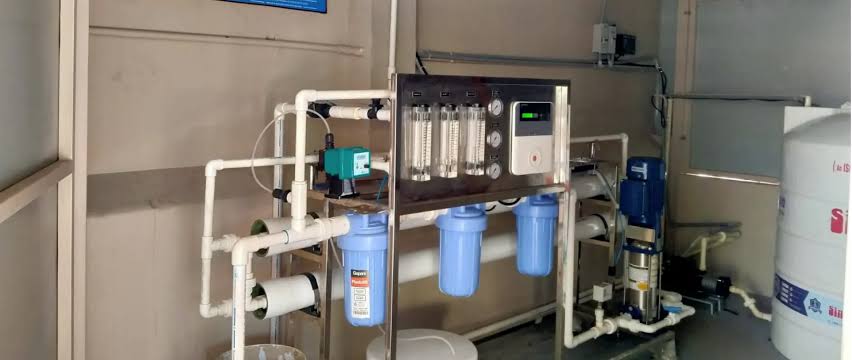
A point-of-use system can be a practical option, particularly when testing identifies specific substances that need reducing. One popular choice is a reverse osmosis unit, which pushes water through a semipermeable membrane to reduce many dissolved contaminants. Depending on the model, it may also include sediment and carbon filtration stages.
For households dealing with particular drinking water concerns, reverse osmosis systems can offer useful treatment when the equipment is appropriately selected and maintained. They can reduce a range of dissolved substances, although performance varies by design and contaminant. Look for independent certification that specifically covers the substances you want to reduce rather than relying on broad marketing claims.
There are trade-offs. Conventional reverse osmosis systems often send some water to a drain, require periodic filter changes, and may need a storage tank. Their performance also depends on water pressure and installation conditions. Some systems include additional stages, but more components don’t automatically mean better results.
Activated carbon filters offer another option, especially for improving taste and reducing certain odors or chemicals, including chlorine in suitable applications. However, carbon filters aren’t universal purifiers. A product that improves taste may not be designed to remove dissolved salts, nitrate, or microorganisms.
The useful question isn’t simply which technology sounds more advanced. It’s whether the system has been tested to address your particular concern.
Treating Water Throughout the House
What if the problem affects showers, laundry, bathroom fixtures, and kitchen taps alike? In that case, a point-of-entry treatment system may be more appropriate than a small filter attached to a single faucet.
Whole house water filters are installed where water enters the property, allowing treated water to flow to multiple outlets. Depending on their design, they can reduce sediment, chlorine, and certain other substances. Some systems use several filtration stages to target different water quality issues.
These systems can be especially useful when sediment affects plumbing fixtures or chlorine odors are noticeable throughout the house. A properly selected sediment filter may also help protect downstream equipment from particles.
Still, whole-house filtration isn’t a guarantee that water is safe to drink. Standard sediment and carbon filters don’t necessarily remove every dissolved contaminant or harmful microorganism. If testing identifies a specific safety concern, the system must be designed to address it, sometimes alongside additional treatment at the point of use.
Size matters, too. A filter that’s too small for the household’s water demand can restrict flow, especially when multiple showers or appliances operate at once. Cartridge capacity, replacement cost, installation space, and expected maintenance should all be part of the comparison.
Look Beyond the Initial Purchase Price
It’s tempting to compare systems by their advertised price and stop there. Unfortunately, the purchase cost is only one part of the equation.
Ask how often filters need replacing, whether special cartridges are required, how much salt a softener typically uses, and whether professional servicing is recommended. Reverse osmosis systems may need membrane replacement after a longer interval, depending on water quality and usage. Whole-house units can have higher installation and maintenance costs because they treat larger volumes of water.
Check warranties and product certifications carefully. A reliable supplier should explain what the equipment can and cannot do, how performance is measured, and what ongoing expenses to expect.
Be cautious of claims that promise to remove every contaminant or make all water perfectly pure. No single technology handles every possible problem, and unnecessary treatment can add expense without delivering meaningful benefits.
Better Water Starts With an Informed Choice
Choosing a home water treatment system doesn’t need to turn into a complicated research project. Start with your concerns, test the water when appropriate, and match the results to a technology designed for the job.
A softener may be the answer to persistent scale. A drinking water filter may improve taste or reduce selected contaminants. A whole-house system may help address issues affecting several parts of the property. In some homes, a combination of approaches makes sense; in others, a simple solution is all that’s needed.
The important thing is to make the decision with clear expectations. When you understand your water and know what a treatment system can realistically achieve, you’re more likely to spend wisely and enjoy the results for years to come.