Fill a glass with tap water, hold it against the light, and it might appear perfectly clear. But does that necessarily mean your water is free from unwanted substances? Not quite. Many dissolved minerals and contaminants cannot be identified through appearance, taste, or smell alone.
For homeowners throughout Silicon Valley and the Bay Area, understanding water quality is an important part of maintaining a comfortable and well-functioning home.
Unfortunately, purchasing treatment equipment without knowing what’s in your water can lead to unnecessary expenses and disappointing results.
Water testing offers a more informed starting point. From preliminary assessments to detailed laboratory analysis, understanding your water conditions can help you select treatment equipment that genuinely addresses your concerns.
Start With a Basic Assessment of Your Household Water
Perhaps you’ve noticed white deposits around your kitchen faucet, an unpleasant taste in your drinking water, or stubborn residue on freshly washed dishes. These everyday frustrations can provide clues about your water conditions, but they don’t always reveal the underlying cause.
Taking advantage of free basic water testing, when offered by a water treatment provider, can help you gain an initial understanding of your household water quality without making an immediate financial commitment.
Depending on the provider, a preliminary assessment may examine hardness, pH, chlorine levels, or total dissolved solids.
These findings can help identify common concerns that influence everyday water usage.
For example, elevated hardness levels might explain why your shower doors develop mineral deposits so quickly or why soap doesn’t lather as effectively as expected.
An initial assessment also provides an opportunity to discuss your concerns with a knowledgeable water treatment professional.
However, basic testing has limitations. It generally focuses on selected water characteristics rather than identifying every potentially harmful contaminant.
Ask which parameters are included and whether further testing would be appropriate.
Understanding what a preliminary assessment can and cannot reveal helps you make sensible decisions about the next steps.
Gain Deeper Insights Through Independent Laboratory Analysis
While basic assessments can identify several common water quality concerns, certain situations require a more comprehensive investigation.
Properties with private wells, older plumbing, or suspected contamination may benefit from more detailed testing.
Arranging full 3rd party laboratory testing through an appropriately accredited laboratory can provide a more comprehensive understanding of selected substances present in your water supply.
Depending on the testing package, laboratory analysis may examine heavy metals, microorganisms, nitrates, chemical compounds, and other relevant contaminants.
Unlike relying exclusively on visual observations or basic screening methods, laboratory testing can provide measured concentrations for specific substances.
This information becomes particularly valuable when choosing equipment designed to reduce particular contaminants.
Consider a family living in an older property who has concerns about lead entering their drinking water through plumbing materials. A basic hardness assessment wouldn’t answer that question. Appropriate laboratory testing would provide more relevant information.
Independent analysis can also help property owners evaluate treatment recommendations without relying entirely on a company’s sales assessment.
However, no single testing package necessarily covers every possible contaminant.
Discuss your water source, property history, and specific concerns with the laboratory to determine which tests are appropriate.
Following proper sample collection procedures is equally important because incorrect handling can affect the reliability of test results.
Choose Filtration Equipment Based on Actual Water Conditions
Once you understand your water quality, selecting suitable treatment equipment becomes considerably easier.
Instead of purchasing a product simply because it promises cleaner water, you can focus on technologies designed to address your particular concerns.
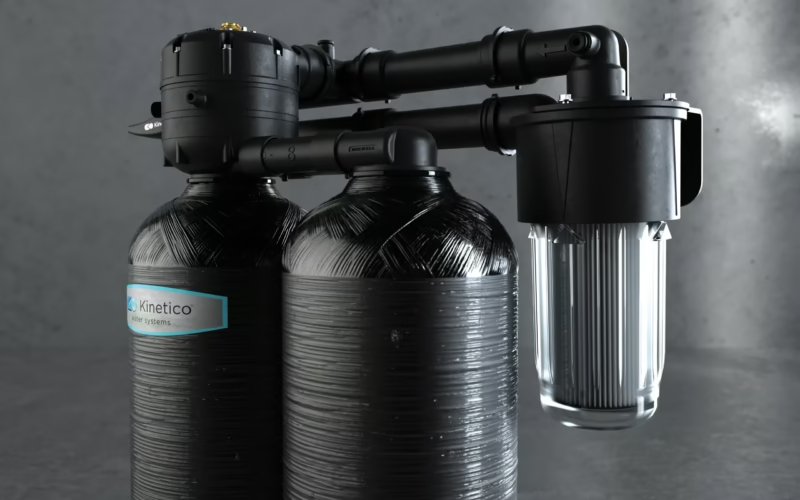
An appropriately selected water filtration system can help reduce targeted impurities, unpleasant tastes, odors, and suspended particles, depending on its design and independently certified capabilities.
Activated carbon filters, for instance, may reduce chlorine and certain organic substances. Sediment filtration can capture suspended particles, while reverse osmosis equipment can reduce many dissolved contaminants.
Water softeners serve a different purpose by reducing calcium and magnesium concentrations associated with hardness.
Imagine purchasing a conventional carbon filter because you’re tired of mineral deposits around your bathroom fixtures. Although the filter might improve drinking water taste, it wouldn’t necessarily resolve your hardness problem.
This demonstrates why water testing is so valuable before investing in treatment equipment.
Homeowners should also consider equipment capacity, installation requirements, available space, maintenance expenses, and certified contaminant reduction claims.
The most effective treatment arrangement isn’t necessarily the most expensive one. It’s the solution that addresses your actual water conditions without adding unnecessary complexity.
Recognizing Signs That Your Water Deserves Further Investigation
Water quality concerns can become noticeable through several everyday experiences.
Common indicators worth investigating include:
- Persistent mineral deposits around faucets and showerheads.
- Unpleasant tastes or unusual odors in drinking water.
- Visible sediment or unexpected water discoloration.
- Difficulty producing a satisfactory soap lather.
- Recurring scale accumulation inside household appliances.
- Noticeable changes in water quality over time.
Although these symptoms can provide useful clues, they shouldn’t be considered definitive evidence of particular contaminants.
Some potentially harmful substances have no noticeable taste, smell, or color.
Appropriate testing provides more reliable information and helps determine whether additional treatment is necessary.
Understanding the Difference Between Whole-House and Point-of-Use Treatment
Water treatment equipment can be installed at different locations depending on your requirements.
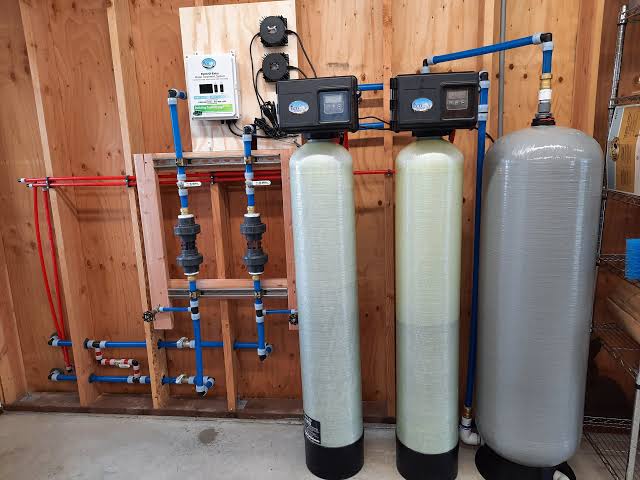
Whole-house systems typically treat incoming water before it reaches connected plumbing fixtures and appliances. These arrangements may address concerns such as sediment, chlorine, or excessive hardness using suitable technologies.
Point-of-use equipment focuses on specific outlets, such as the kitchen faucet, where water is commonly used for drinking and cooking.
Some households may benefit from combining both approaches, while others might require only targeted treatment.
Professional guidance can help determine which arrangement provides practical value based on your test results and household consumption patterns.
Maintain Your Treatment Equipment for Dependable Results
Installing filtration equipment is only the beginning. Regular maintenance is essential for preserving treatment effectiveness.
Replace cartridges and membranes according to manufacturer recommendations, monitor changes in water flow, and arrange professional servicing when necessary.
Periodic follow-up testing may also help verify that equipment continues addressing the intended water quality concerns.
Make Informed Decisions for Better Household Water
Improving your water quality begins with understanding what’s actually in your supply.
For homeowners throughout Silicon Valley and the Bay Area, appropriate testing, careful equipment selection, and consistent maintenance can help address persistent water quality frustrations.
Rather than spending money on equipment that may not solve your problems, let reliable test results guide your decisions.
Ultimately, better water starts with better information. Understanding your water today can help you build a more comfortable household and invest confidently in treatment solutions that deliver meaningful everyday value.