When homeowners think about improving water quality, the kitchen faucet usually gets most of the attention. That’s understandable, considering how much water we use for drinking and cooking. But what about the water running through your washing machine, shower, bathroom sinks, and other household fixtures? Those areas deserve some consideration, too.
Investing in water treatment at the point of entry allows homeowners to address specific water quality concerns before incoming water travels through connected household plumbing.
For families living throughout the Treasure Valley, this approach offers a convenient way to manage water quality on a broader scale. Rather than dealing with individual problems in different rooms, you can begin addressing them where your water supply enters the property.
Understanding What Point-of-Entry Treatment Actually Means
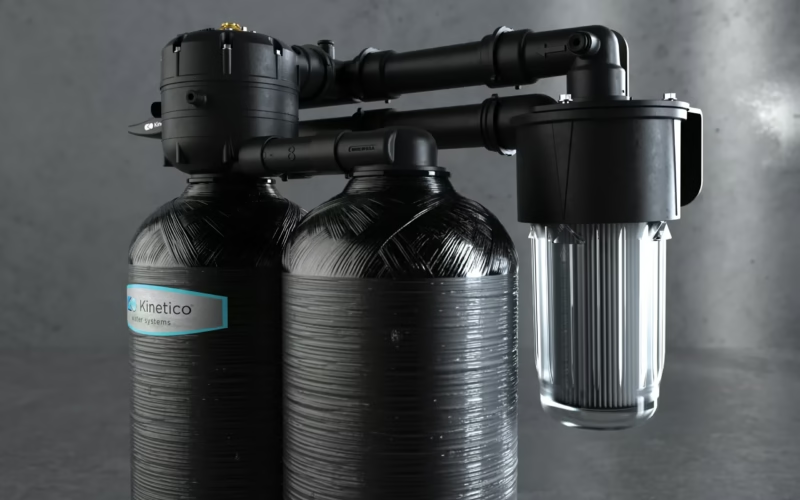
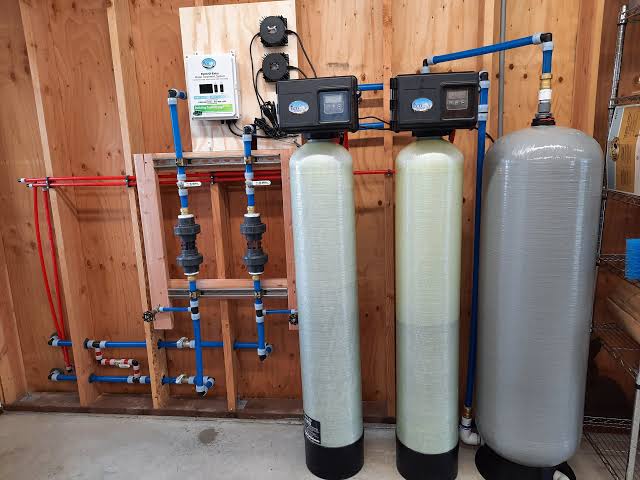
The concept behind centralized water treatment is fairly straightforward. Equipment is installed near the main water supply connection, allowing incoming water to pass through selected treatment stages before reaching connected fixtures and appliances.
Unlike a countertop filter or an under-sink drinking water system, centralized equipment is designed to accommodate much larger volumes of water.
Depending on the property’s requirements, treatment may involve sediment removal, activated carbon filtration, water softening, or specialized technologies.
The exact arrangement varies from one home to another. Someone living in a newer Meridian neighborhood may have different concerns from a homeowner relying on a private well outside Nampa.
Understanding these differences is important because effective treatment depends on addressing actual water conditions rather than following a standard installation plan.
Choosing Filtration That Addresses Your Water Concerns
Nobody wants to spend money on equipment only to discover that it doesn’t solve the problem they originally purchased it for.
Well-designed point-of-entry water filtration solutions should reflect the characteristics of your incoming water, including any identified contaminants, suspended particles, or objectionable tastes and odors.
Sediment filters capture physical debris such as sand, rust, and fine particles. Activated carbon can reduce certain unpleasant flavors, odors, and targeted contaminants.
Specialized filtration media may be suitable for properties experiencing elevated iron or manganese concentrations.
However, conventional filtration doesn’t necessarily address excessive water hardness or microbial contamination.
This is where reliable testing becomes valuable. Knowing what’s actually present in your water makes it considerably easier to select equipment that delivers meaningful improvements without unnecessary additions.
Finding a System That Can Keep Up With Your Family
A household’s water demand can fluctuate dramatically throughout the day. Early mornings and weekends are often particularly busy, especially when several family members use water simultaneously.
When comparing whole-home water filter systems, consider peak flow requirements, incoming water pressure, treatment capacity, available installation space, and long-term maintenance expenses.
Imagine trying to enjoy a shower while someone starts the washing machine, only to discover that your water pressure suddenly drops.
Properly sized equipment helps minimize unnecessary flow restrictions during periods of increased demand.
It’s also worth considering future household changes. A growing family or planned bathroom addition may influence your treatment requirements.
Choosing equipment thoughtfully from the beginning can prevent expensive modifications later.
The Everyday Advantages of Treating Water Centrally
Some of the most useful household improvements aren’t particularly glamorous. They’re simply the ones that make familiar routines more pleasant.
Depending on your original water conditions and selected treatment equipment, centralized filtration may help reduce visible particles, improve certain water odors, and limit debris accumulation inside faucet aerators.
There’s also the convenience of maintaining equipment in one location rather than replacing multiple smaller filters throughout the house.
For someone balancing work, family responsibilities, and household maintenance, that’s a welcome advantage.
You might not spend much time thinking about your filtration equipment once it’s installed. Ideally, it’ll operate quietly in the background while you get on with your day.
Why Filtration and Softening Aren’t the Same Thing
If you’ve ever struggled to remove stubborn white deposits from bathroom faucets, you probably understand the frustrations associated with hard water.
However, installing a conventional water filter won’t automatically eliminate those deposits.
Water hardness comes primarily from dissolved calcium and magnesium. Traditional water softeners address these minerals through ion exchange, whereas standard sediment and carbon filters serve different purposes.
Some households benefit from combining both technologies.
For example, a property experiencing excessive hardness and an unpleasant chlorine taste may require separate treatment stages to address each concern.
Understanding these distinctions helps homeowners make informed purchasing decisions and avoid unrealistic expectations about what a particular system can accomplish.
Planning for Installation and Ongoing Maintenance
Before installing treatment equipment, take a closer look at your home’s plumbing layout. Consider where the main water line enters, whether drainage is required, and how easily equipment can be accessed for servicing.
Maintenance is another important part of the picture.
Sediment cartridges gradually accumulate debris, activated carbon eventually loses treatment capacity, and specialized filtration media may require replacement or periodic servicing.
Ask about ongoing expenses before committing to a system.
Arrange appropriate laboratory testing when investigating potentially harmful contaminants, particularly if your household relies on a private well.
Periodic follow-up testing can help evaluate treatment performance. Remember that clearer water and improved taste don’t automatically establish drinking water safety.
A Practical Investment in Everyday Household Comfort
Improving household water quality doesn’t need to involve complicated equipment or overwhelming decisions. Begin with reliable testing, understand your family’s requirements, and select treatment technologies that genuinely address your concerns.
Life in the Treasure Valley offers plenty of opportunities to enjoy time outdoors, connect with family, and appreciate the comforts of home.
Having dependable water treatment can make those ordinary moments a little more enjoyable.
Whether it’s preparing dinner, washing clothes, or relaxing in the shower after a busy afternoon, water plays an essential role.
Treating it thoughtfully from the moment it enters your home is a practical improvement with benefits you can appreciate throughout the year.