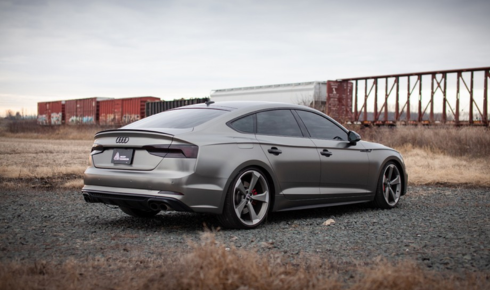
A vehicle wrap can look simple from the outside. A clean colour, a sharp logo, a smooth finish, maybe a bold graphic down the side. But behind that polished result is a chain of decisions that matter more than most people realise. The material matters. The installer matters. The surface preparation matters. Even the way the wrap is planned around door handles, curves, seams, and body lines can decide whether the finished vehicle looks professional or slightly off.
For businesses, this is not just about making a vehicle look attractive. A wrap becomes part of the brand’s public face. It drives through town, parks outside customer homes, waits near job sites, and keeps introducing the company without saying a word. So, if the wrap fades, bubbles, or starts peeling too soon, it sends the wrong message. Quality should be visible, but it also needs to be built into the process.
Why Standards Matter in Wrap Work
Professional wrap work is not guesswork. Shops that follow 3M certification standards generally understand the importance of preparation, material handling, installation technique, and finishing details. That kind of standard can give customers more confidence that the job is being handled with care, not rushed through like a quick sticker application.
Of course, certification alone does not magically guarantee perfection. But it does show that an installer has taken training seriously and is working with recognised methods. For full wraps, fleet graphics, and high-visibility business vehicles, that level of professionalism can make a real difference.
The Film Choice Shapes the Result
Many installers trust Avery Dennison films because they offer a wide range of wrap options for commercial branding, colour changes, accents, and specialty finishes. The right film can help create a smoother finish, better conformability, and stronger long-term appearance when matched properly to the vehicle and project.
Different vehicles need different thinking. A small car with gentle curves is not the same as a work truck with deep recesses and tool compartments. A delivery van used daily in sun and rain needs a different level of durability than a short-term promotional vehicle. A good shop will not just ask what colour you want. It will ask how the vehicle is used.
Reliable Materials Build Better Confidence
There are also projects where ORACAL materials may be a suitable choice, especially for signs, decals, lettering, graphics, and certain vehicle applications. Like any wrap product, the key is using the material for the right purpose. Some films are ideal for flatter surfaces or shorter-term graphics, while others are better suited for complex vehicle wraps.
This is where experience matters. A customer may not know the difference between cast film, calendared film, laminate, adhesive type, or print compatibility. But a professional installer should. Choosing the wrong material can lead to lifting, shrinking, fading, or awkward results around curves. Choosing correctly helps the wrap perform as expected.
Design Must Work in Real Traffic
A vehicle wrap is not viewed like a magazine ad. People see it quickly, often while driving, walking past, or sitting at a traffic light. That means the design has to be clear from a distance. Too much text, tiny details, weak contrast, or overly complicated graphics can make the message disappear.
For business wraps, the basics matter most: logo, service, phone number, website, and a simple visual style that matches the brand. A wrap should not make people work to understand it. If someone has only three seconds to see the vehicle, the main message should still land.
Installation Is Where Quality Shows
The best material can still look poor if installation is rushed. Before wrapping, the vehicle needs careful cleaning and preparation. Wax, dirt, grease, old adhesive, and surface damage can all affect how the film bonds. Once the material is applied, edges, seams, curves, and recessed areas must be handled with patience.
Good installation often looks effortless when finished, but it is not effortless at all. It takes skill to avoid bubbles, wrinkles, overstretching, and uneven trimming. The cleaner the final result, the more natural the wrap looks on the vehicle.
Maintenance Helps the Wrap Last
Once installed, a wrap still needs sensible care. Gentle washing, mild cleaners, and avoiding harsh brushes can help protect the finish. Pressure washing too close to edges can cause problems over time. Parking in shade when possible may also help reduce sun exposure and fading.
This is not about treating the vehicle like a museum piece. Work vehicles are meant to work. But basic maintenance helps the wrap continue representing the business well.
A Better Wrap Is a Better Brand Impression
A quality wrap is a mix of trusted materials, good design, trained installation, and proper care. Each part supports the next. When everything is handled properly, the result is more than a nice-looking vehicle. It becomes a moving brand asset that keeps working day after day.
In the end, customers may not know which film was used or what installation method was followed. But they will notice whether the vehicle looks sharp, credible, and well cared for. And that impression is exactly why quality matters.