Category: Software

  • What Smart Landlords Are Doing Now to Avoid the MTD Scramble Later 

    What Smart Landlords Are Doing Now to Avoid the MTD Scramble Later 

    If you’re a landlord in 2025 and haven’t yet felt the pressure of Making Tax Digital (MTD), that’s not a free pass—it’s a head start. You’ve got time. Not forever, but just enough to set yourself up before the mad rush begins. 

    And that’s exactly what savvy landlords are doing now: laying the groundwork quietly, strategically, and without panic. 

    Why This Isn’t Just About Compliance 

    On paper, MTD is a technical update. Quarterly updates to HMRC. Digital recordkeeping. Eventually, mandatory for all landlords earning over £50,000 (and maybe everyone else later). 

    But behind the government language is something bigger. MTD marks a shift in how landlords interact with their portfolios—and their profits. 

    For decades, many landlords have worked reactively. Income tracked in a notebook. Expenses recalled from memory. Receipts kept “somewhere.” Tax time meant handing everything to an accountant and hoping for the best. 

    But with MTD, that system breaks down. It’s not built for quarterly submissions or on-demand transparency. 

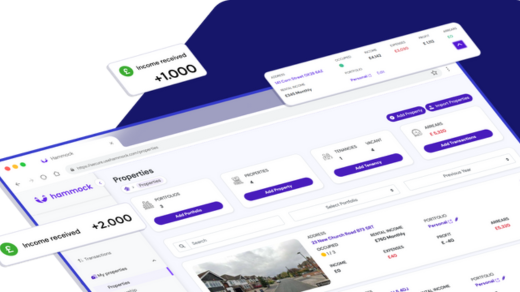
    Enter MTD software for landlords. But this isn’t just about ticking a compliance box. The best landlords are using it to gain visibility, reduce stress, and make smarter decisions. 

    Quiet Wins, Big Results 

    Here’s what’s actually happening behind the scenes for those who’ve already switched: 

    • They know which properties are underperforming—and aren’t just guessing. 
    • They’ve spotted duplicate letting fees or forgotten insurance charges that were draining profits. 
    • They’re avoiding last-minute scrambles by logging expenses as they happen. 
    • They’ve stopped asking their accountant basic questions because everything’s already categorized and stored digitally. 

    This isn’t flashy. It’s not a massive overhaul. But over time, it adds up to a smoother, more profitable business. 

    Avoiding the Crunch Point 

    When MTD for Income Tax Self Assessment rolls out fully, many landlords will scramble. And software companies will be overwhelmed. Accountants will be fully booked. Questions will go unanswered. Mistakes will slip through. 

    But the landlords who planned ahead? They’ll be sipping coffee, clicking “submit,” and getting on with their day. 

    That’s the real value of using MTD software for landlords now—not because it’s mandatory, but because it makes everything easier before it is. 

    Conclusion: One Step Now Saves Ten Later 

    You don’t need to overhaul everything overnight. Start with one property. Try out a free trial. Sync a bank feed. Upload a few expenses. The goal isn’t perfection—it’s momentum. 

    And the more familiar you become with digital tools, the less MTD will feel like a disruption and the more it’ll feel like what it really is: a long-overdue upgrade. 

    No panic. No rush. Just smart preparation. 

  • How We Increased our Proposal Win Rate by 40 % Using Modern Proposal Software

    How We Increased our Proposal Win Rate by 40 % Using Modern Proposal Software

    Of all the important challenges, accounting firms face the biggest issue at winning new clients. A well-structured proposal can make a big difference; many firms are still facing inefficiency in the creation process of proposals. Our firm faced the same problem until we integrated FigsFlow’s proposal software for accountants into our workflow. And the result was astonishing: increasing our proposal win rate by 40%. In this article, we shared our journey where adopting proposal software transformed our client acquisition strategy.

    Enhancing the Level of Customisation in Proposals

    Before proposal software, proposals were one-size-fits-all and often did not address the very specific needs of the client. With advanced proposal software, finally we had a customisable template which allowed us to tailor our proposals to each prospect.

    In addition to saving time, these dynamic templates also ensured branding and messaging consistency. By personalising every proposal to showcase relevant services, industry insights, and financial strategies, we captured the clients’ interests with ease.

    Automation of Proposal Workflows for Greater Efficiency

    Until recently, one of the most consuming and time-wasting activities in our company was preparing proposals, asking for their approvals, and tracking their statuses manually. In their place came up-to-date, automated proposal management software that alleviated much administrative burden and moved things a notch faster.

    Automation of reminders meant timely follow-ups, while integrated workflows facilitated fast internal approval actions. Free from delays and bottlenecks, our team spared more time fine-tuning the content rather than managing the process.

    Leveraging Analytics to Optimise Performance

    Another game-changer was the analytics and tracking capability that came with this proposal software. Now, we could track when prospects opened, read, and interacted with our proposals, therefore knowing what they were interested in.

    By studying this data, we were able to tailor-make our proposals to what interested clients more, while our sales force could time their follow-throughs at a moment in time when the probability of landing a deal was high.

    Conclusion

    With that modern proposal software, we are revolutionising how we go out and acquire our clients. Moreover, it granted us more effective personalisation and automation of workflow, so a 40% increase in proposal win rates wasn’t so unreachable. This can be interpreted as an investment that pays off-the right tools mean more efficiency in accounting firms for better client winning.

  • Web Design Clacton: Enhancing Your Online Presence for Business Success

    Web Design Clacton: Enhancing Your Online Presence for Business Success

    In the modern digital landscape, a website is often the first impression potential customers have of your business. Whether you’re a small business owner or the manager of a larger company, your website is crucial in building your brand, connecting with customers, and driving sales. For businesses in Clacton, investing in professional web design clacton can make a significant difference in how your business is perceived online. In this article, we will explore the importance of web design, the benefits of working with a local agency, and the key factors that make for an effective website.

    The Importance of a Well-Designed Website

    Your website is more than just a digital space for your business—it serves as your online storefront and is often the first point of contact between your company and potential customers. A professionally designed website can have a direct impact on your business’s credibility, user engagement, and conversions. If your website is outdated or difficult to navigate, visitors may quickly lose interest and go to your competitors.

    On the other hand, a well-designed website can help you stand out, build trust, and encourage visitors to take action, such as making a purchase, contacting you for more information, or signing up for a newsletter. A professional web design agency ensures that your website meets modern standards for usability, performance, and aesthetics.

    Why Choose Web Design Clacton?

    Clacton-on-Sea is a popular seaside town in Essex with a growing community of businesses. Whether you’re in retail, hospitality, or professional services, having a website that speaks to your local audience is essential for business growth. Here are several reasons why working with a web design Clacton agency can benefit your business:

    1. Local Expertise and Market Understanding

    A local web design agency in Clacton brings valuable insight into the needs, preferences, and behaviors of the people in the area. They understand the local market dynamics and can design a website that resonates with potential customers. This local knowledge allows the agency to create a site that appeals specifically to your target audience, ensuring that your content, messaging, and design align with what local customers are looking for.

    Furthermore, a web design Clacton agency is likely familiar with the competition in the area and can help your business stand out through effective web design. Their understanding of local trends, branding, and user experience allows them to deliver a website that can help you rise above your competitors.

    2. Personalized Service and Close Collaboration

    When working with a local web design agency, you have the benefit of more personalized service. You can directly collaborate with the team, share your ideas, and get immediate feedback throughout the design process. This close communication ensures that your vision is accurately reflected in the final product. Unlike larger, national agencies, a local agency is more likely to prioritize your project, offering a more tailored and hands-on approach.

    The process of designing your website becomes a partnership, with regular check-ins to make sure everything is on track. As a result, you’re more likely to get a website that not only meets your business needs but also aligns with your personal preferences.

    3. Ongoing Support and Maintenance

    A website is never truly “finished.” Over time, you may need to update content, add new features, or ensure that your site remains secure. Working with a web design Clacton agency means that you can rely on them for ongoing support and maintenance. If you encounter any issues with your website, such as broken links, slow load times, or security concerns, a local agency can quickly address these problems.

    Additionally, regular updates are necessary to keep your site relevant and functional. Whether it’s refreshing your website’s design or adding new content, a local agency is well-positioned to offer continuous support to keep your site running smoothly.

    Key Elements of Effective Web Design

    When creating a website, there are several key elements that contribute to its overall effectiveness. A professional web design Clacton agency will ensure that your website is not only visually appealing but also functional and optimized for performance. Here are some essential elements to consider when designing your website:

    1. Mobile-Friendly Design

    With more and more people browsing the internet on mobile devices, it’s essential that your website is optimized for mobile users. A responsive web design automatically adjusts to fit different screen sizes, ensuring that your website looks and functions well on smartphones, tablets, and desktops. A mobile-friendly design improves user experience and is also a key factor in search engine rankings.

    2. Fast Loading Times

    Website speed is one of the most important factors in user experience. Slow-loading websites can frustrate visitors and lead to high bounce rates, where users leave your site before it fully loads. Google also considers page speed as a ranking factor in search results, so a fast website is essential for both user satisfaction and SEO. A web design Clacton agency will optimize your site for speed, ensuring that your visitors don’t have to wait long for your pages to load.

    3. User-Friendly Navigation

    A website’s navigation is one of its most important aspects. Visitors should be able to easily find what they’re looking for, whether it’s information about your products or services, contact details, or blog posts. A clean, well-organized menu and intuitive navigation system will help visitors move around your site seamlessly, reducing the chances of them leaving in frustration. Clear and simple calls-to-action (CTAs) can also help guide users toward taking the next step, such as making a purchase or reaching out for more information.

    4. Search Engine Optimization (SEO)

    Even the best-designed website won’t be effective if no one can find it. Search engine optimization (SEO) is crucial for improving your website’s visibility on search engines like Google. An SEO-friendly website is structured to rank higher on search results, driving more organic traffic to your site. A web design Clacton agency will implement SEO best practices during the design process, including keyword optimization, creating high-quality content, and ensuring your website is easily crawlable by search engines.

    5. Engaging Visual Design

    First impressions matter, and your website’s visual design can make a huge difference in how visitors perceive your business. A clean, professional design that aligns with your brand identity will help build trust with potential customers. A web design Clacton agency will ensure that your website’s design reflects your brand’s values, using colors, fonts, and imagery that are consistent with your overall branding strategy.

    6. Security and Privacy

    Website security is essential to protect both your business and your customers. A secure website ensures that user data is kept private and that your site is protected from cyber threats. A professional web design agency will implement security measures such as SSL encryption and secure payment gateways to protect sensitive information and build customer trust.

    Conclusion

    Investing in professional web design Clacton is crucial for businesses looking to succeed in the digital world. A well-designed website can enhance user experience, increase engagement, and drive more traffic to your business. By working with a local agency, you gain access to personalized service, local market expertise, and ongoing support, all of which help your business grow and thrive online. Whether you’re launching a new website or improving an existing one, a professional web design agency in Clacton can provide the expertise you need to succeed in today’s competitive online marketplace.

    4o mini
  • Localization and Internationalization in Software: Reaching Global Audiences

    Localization and Internationalization in Software: Reaching Global Audiences

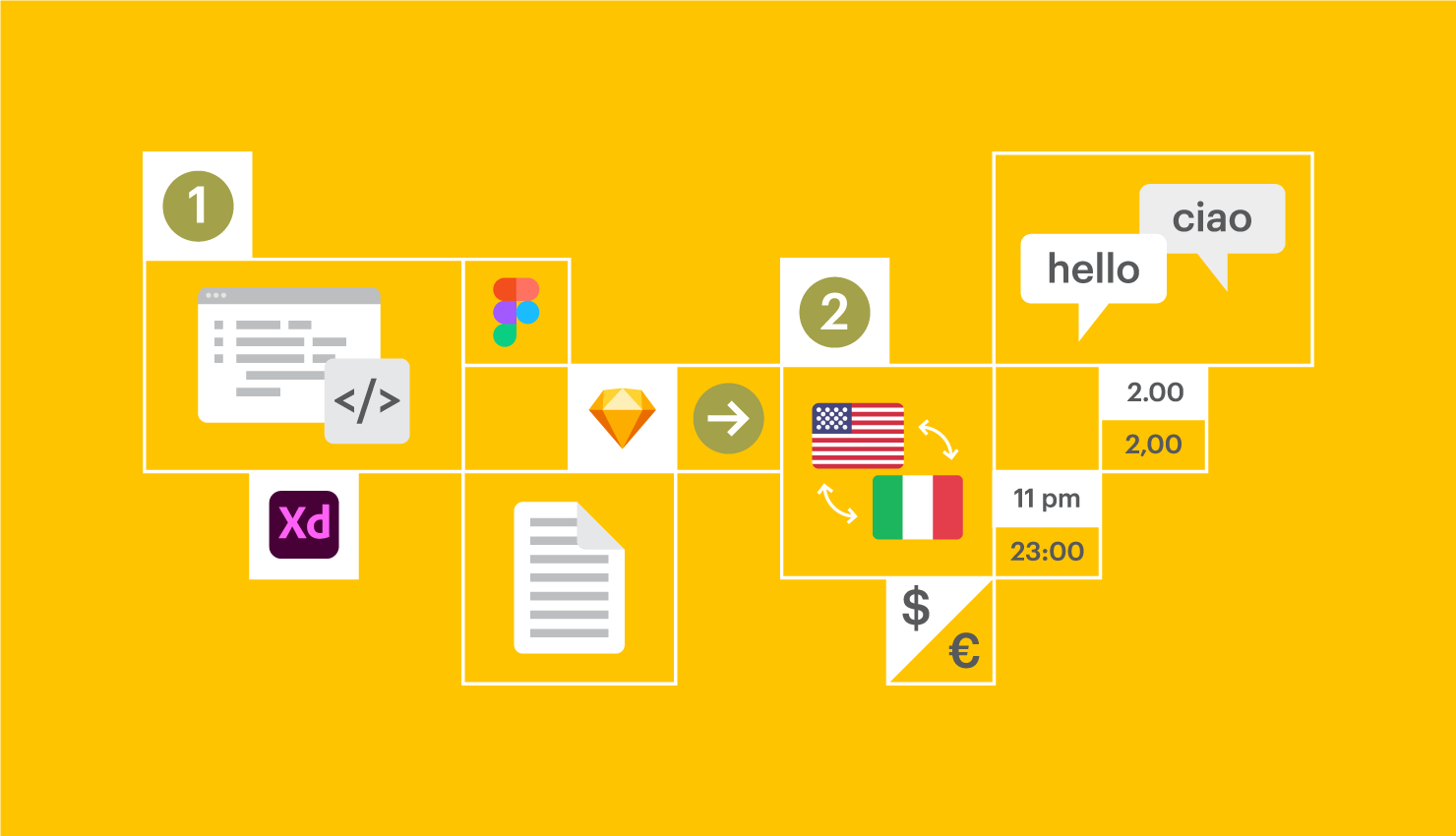
    As technology connects people worldwide, software developers face the challenge of making their products accessible to diverse audiences. Localization and internationalization are two key strategies to ensure software resonates with users regardless of their language or cultural context.

    Understanding Internationalization and Localization
    Internationalization (often abbreviated as i18n) involves designing software in a way that makes it easy to adapt for different languages and regions. Localization (often abbreviated as l10n), on the other hand, is the process of customizing software to a specific locale by translating text, adjusting formats, and considering cultural nuances.

    The Importance of Localization
    Localization goes beyond translation. It ensures that software reflects the cultural norms, preferences, and expectations of users in various regions. This personalization enhances user experience, increases engagement, and fosters user trust.

    Steps in the Localization Process
    Content Extraction: Identifying all translatable elements in the software, such as text strings, images, and date formats.

    Translation: Converting the content into the target language while preserving meaning and context.

    Adaptation: Modifying content to fit the cultural context, which includes adjusting graphics, layouts, and potentially even functionalities.

    Testing and Quality Assurance: Rigorous testing to ensure that the localized software functions correctly and is free from linguistic or cultural errors.

    Challenges and Best Practices
    Localizing software can be complex due to linguistic and cultural differences. Some best practices include:

    Designing with Localization in Mind: Plan for text expansion or contraction during translation to prevent layout issues.

    Cultural Sensitivity: Be aware of cultural differences and avoid content that might be offensive or misunderstood in certain regions.

    Continuous Updates: Keep software up to date with new translations and cultural adaptations as the product evolves.

    Benefits of Internationalization
    Investing in internationalization from the start saves time and resources down the line. It allows for easier adaptation to new markets and faster deployment of localized versions.

    Conclusion
    In today’s interconnected world, software developers must prioritize internationalization and localization to create inclusive, user-centric products. By embracing these strategies, developers can overcome language and cultural barriers, ensuring their software resonates with global audiences.

  • Containerization with Docker: Simplifying Deployment and Scaling

    Containerization with Docker: Simplifying Deployment and Scaling

    Containerization with Docker has revolutionized the world of software deployment and scaling. Traditionally, deploying applications to different environments required meticulous configuration management, often leading to compatibility issues. Docker, an open-source platform, has changed this landscape by providing a way to package applications and their dependencies into lightweight, portable containers.

    Introduction to Docker and Containerization
    Containerization is a virtualization method that allows developers to package an application and its dependencies together in a single unit, called a container. Docker, one of the most popular containerization platforms, streamlines the development and deployment process by ensuring consistency across various environments, from development to production.

    Advantages of Docker
    Docker offers several key advantages, such as:

    Consistency: Containers ensure that applications run consistently across different environments, reducing the “it works on my machine” problem.

    Isolation: Containers provide isolation between applications, preventing conflicts between dependencies.

    Scalability: Docker makes it easier to scale applications up or down based on demand, thanks to its lightweight and efficient containerization approach.

    Resource Efficiency: Containers share the host OS kernel, reducing overhead and resource consumption compared to traditional virtual machines.

    Portability: Containers can run on any system that supports Docker, making it easier to move applications between different environments.

    Docker Components and Workflow
    A typical Docker workflow involves creating a Dockerfile, which defines the application’s environment and dependencies. Docker images are then built from these Dockerfiles. Containers are instances of these images, and they run applications in isolated environments.

    Simplifying Deployment and Scaling
    Docker simplifies the deployment process through its orchestration tools like Docker Compose and Kubernetes. These tools allow developers to define multi-container applications, automate scaling, and manage networking seamlessly.

    Challenges and Considerations
    While Docker offers numerous benefits, there are also challenges to consider. Managing container sprawl, ensuring security, and optimizing resource usage are important considerations when adopting Docker.

    Conclusion
    Docker’s containerization technology has transformed how applications are developed, deployed, and scaled. Its advantages in terms of consistency, isolation, scalability, and portability have made it a go-to solution for modern software development and operations teams.