BMW M5 G90/G99 Secondary Downpipes and BMW M3 G80 Downpipes Explained
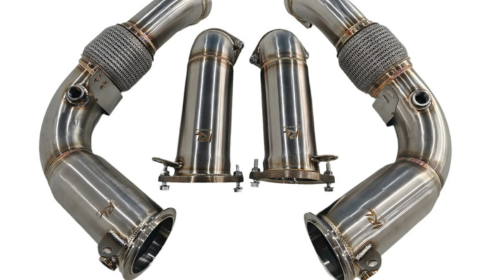
Modern BMW M cars are already engineering masterpieces, but for enthusiasts, “already great” is never the end of the story. The latest M models, including the M5 G90/G99 and the M3 G80, respond exceptionally well to carefully chosen performance upgrades. Among these, downpipes stand out as one of the most effective ways to transform both sound and performance without compromising the character BMW intended.
Downpipes play a critical role in your exhaust system. They connect the turbochargers to the rest of the exhaust, guiding hot exhaust gases away from the engine. Factory downpipes are designed with strict emissions and noise regulations in mind, which often means restricted airflow. Performance-focused alternatives aim to reduce these restrictions, allowing the engine to breathe more freely and operate more efficiently.
Why Secondary Downpipes Matter on the BMW M5 G90/G99
The new M5 G90 and G99 Touring represent a bold evolution of BMW’s super-sedan formula. With electrification and immense power potential, these cars are surprisingly responsive to exhaust modifications. bmw m5 g90 g99 secondary downpipes are designed to optimize exhaust flow after the primary catalytic converters, making them a popular choice for owners who want a noticeable upgrade without going fully catless.
Secondary downpipes can sharpen throttle response and enhance exhaust tone while remaining relatively emissions-friendly compared to primary downpipe changes. For daily-driven M5s, this balance is key. You get a deeper, more aggressive sound under load, yet cruising remains refined—exactly what M5 owners expect. When paired with a quality ECU tune, secondary downpipes can also help unlock smoother power delivery across the rev range.
BMW M3 G80 Downpipes: A Favorite Among Track and Street Enthusiasts
The M3 G80 has quickly earned a reputation as one of the most tunable M cars ever produced. Its turbocharged inline-six thrives on improved airflow, making bmw m3 g80 downpipes one of the first upgrades many owners consider. Whether you choose high-flow catted or catless versions, the impact is immediate.
Upgraded downpipes reduce backpressure, allowing turbos to spool faster and maintain boost more efficiently. The result is stronger mid-range torque, improved top-end pull, and a more visceral exhaust note. On the street, the car feels more alive; on the track, it delivers more consistent power lap after lap. Many drivers report that this single modification dramatically changes how the G80 feels, even before additional tuning.
Sound, Performance, and Practical Considerations
One of the biggest reasons enthusiasts upgrade downpipes is sound. Factory systems are refined but muted. Performance downpipes introduce a deeper growl, sharper turbo noises, and a more motorsport-inspired character. That said, choosing the right configuration matters. High-flow catalytic downpipes help control rasp and drone, while still delivering meaningful gains.
Installation quality is equally important. Precision fitment ensures proper sealing, avoids exhaust leaks, and maintains reliability. It’s also worth noting that most downpipe upgrades benefit greatly from ECU tuning, as modern BMW engines are highly sensitive to changes in exhaust flow.
Is a Downpipe Upgrade Worth It?
For BMW M5 G90/G99 and M3 G80 owners who want more engagement without sacrificing daily usability, downpipes are one of the smartest upgrades available. They offer an excellent balance of performance gains, sound enhancement, and long-term value. Whether your goal is sharper response on back roads or stronger performance on track days, this modification delivers tangible results.