Blog

  • Where is the Beetle in Emperor’s Retreat: Unveiling the Mysterious Quest

    In the enchanting realm of Emperor’s Retreat, a captivating and intricate adventure awaits seekers of hidden treasures. Among the myriad quests that this fantastical world offers, the enigmatic hunt for the elusive beetle stands out. This article delves into the depths of Emperor’s Retreat, deciphering the clues and unraveling the mystery behind the quest for the beetle.

    Exploring the Legends

    The Tale of the Beetle

    Emperor’s Retreat is renowned for its rich tapestry of myths and legends. At the heart of these stories lies the elusive beetle, said to possess extraordinary powers. The legend speaks of a beetle that holds the key to unlocking hidden realms and ancient wisdom.

    The Quest’s Origin

    The origins of this mysterious quest can be traced back centuries. Ancient scrolls and whispered tales suggest that the quest for the beetle was initiated by a wise sage who believed that those who find the beetle would be granted unparalleled insight and rewards.

    Embarking on the Journey

    Decoding the Clues

    The path to discovering the beetle is paved with riddles and clues, challenging adventurers to exercise wit and cunning. These clues are often veiled in cryptic poetry and hidden symbols, requiring a keen eye and a sharp mind to decipher.

    Navigating Emperor’s Retreat

    The quest takes adventurers through the breathtaking landscapes of Emperor’s Retreat. From the lush Emerald Forest to the treacherous Labyrinthine Caves, each location holds a piece of the puzzle. The journey itself becomes a testament to the explorer’s determination and resolve.

    The Beetle’s Hiding Places

    The Whispering Grove

    Legends suggest that the beetle’s first clue can be found amidst the ancient trees of the Whispering Grove. The gentle rustling of leaves is said to reveal hidden messages that point the way to the next destination.

    The Crystal Caverns

    Venturing deep into the Crystal Caverns, seekers must navigate through shimmering crystals to uncover a hidden chamber. Within lies a mural depicting the beetle’s journey through time, offering another clue to its whereabouts.

    The Enchanted Observatory

    Perched atop a mountain, the Enchanted Observatory is the realm’s highest point. Here, stargazers and dreamers find solace. It is said that deciphering the alignment of constellations in the observatory’s dome will guide adventurers closer to the beetle.

    Confronting Trials and Temptations

    Guardians of Wisdom

    As seekers draw closer to the beetle’s location, they encounter the Guardians of Wisdom – formidable beings tasked with testing the resolve of those who seek the beetle’s power. These trials are a testament to one’s character and determination.

    The Temptation of Illusions

    In the Mirage Chambers, adventurers face illusions that play on their desires and fears. Overcoming these illusions requires self-awareness and a steadfast heart.

    The Revelation

    The Inner Sanctum

    After braving trials and decoding clues, seekers reach the Inner Sanctum – the heart of Emperor’s Retreat. Here, they uncover the final piece of the puzzle: the true nature of the beetle’s power and its purpose.

    The quest for the beetle in Emperor’s Retreat is not merely a journey of discovery; it’s a transformative odyssey that tests one’s mettle, intellect, and determination. The legends that shroud the beetle’s existence weave a tapestry of wonder and intrigue, drawing adventurers into the realm’s depths. As seekers embark on this journey, they not only unlock the secrets of the beetle but also unlock the hidden potential within themselves.


  • The Psychology of In-Game Purchases: Microtransactions and Loot Boxes

    The Psychology of In-Game Purchases: Microtransactions and Loot Boxes

    In-game purchases have become a significant revenue stream for the gaming industry. This article delves into the psychology behind in-game purchases, including microtransactions and loot boxes.

    The Concept of Microtransactions
    Microtransactions involve small purchases within a game, such as cosmetic items or in-game currency. The “freemium” model offers the game for free while monetizing through microtransactions.

    The Appeal of Loot Boxes
    Loot boxes offer randomized rewards, tapping into players’ desire for surprises and rewards. The element of chance can lead to a cycle of anticipation and spending.

    Ethical Concerns and Regulation
    The use of loot boxes and microtransactions has raised ethical concerns, especially when they resemble gambling mechanics. Some countries have introduced regulations to address these issues.

  • Exploring Game Development: From Concept to Playable Experience

    Exploring Game Development: From Concept to Playable Experience

    Game development is a complex process that involves creativity, technical skills, and teamwork. This article takes a comprehensive look at the stages of game development, from the initial concept to the creation of a playable experience.

    Concept and Pre-production
    Game development starts with a concept that outlines the game’s genre, mechanics, and overall vision. Pre-production involves detailed planning, including storyboarding and design documentation.

    Production
    During production, the development team creates assets, writes code, and builds the game world. Iterative development and testing are key to refining the gameplay experience.

    Testing and Quality Assurance
    Quality assurance ensures that the game is free of bugs, glitches, and other technical issues. Beta testing involves collecting feedback from players to make further improvements.

    Release and Post-launch Support
    Once the game is ready, it’s released to the public. Post-launch support includes addressing player feedback, releasing patches, and potentially creating downloadable content.

  • Hollywood’s Impact on Fashion Trends and Style Icons

    Hollywood’s Impact on Fashion Trends and Style Icons

    Hollywood has long been a driving force in shaping fashion trends and influencing style icons. This article explores the symbiotic relationship between the entertainment industry and the fashion world.

    The Iconic Red Carpet
    Award shows and premieres serve as showcases for cutting-edge fashion. Designers vie to dress A-list celebrities, leading to trends that trickle down to the mainstream.

    Style Icons Throughout History
    From Audrey Hepburn’s timeless elegance to Lady Gaga’s boundary-pushing outfits, Hollywood’s leading figures have consistently set trends and inspired fashion choices.

    Collaborations and Cross-Promotions
    Collaborations between designers and film studios are common. Costume designs for movies often find their way into real-world fashion collections.

    .

  • Video Games as Art: Exploring Aesthetics and Narratives in Gaming

    Video Games as Art: Exploring Aesthetics and Narratives in Gaming

    Video games have evolved into a form of art that combines stunning visuals, intricate narratives, and immersive experiences. This article delves into the artistic aspects of video games and their impact on culture.

    The Aesthetics of Video Games
    Video games offer unique visual experiences, from breathtaking landscapes to meticulously designed characters. Artistic choices in color palettes, architecture, and character design contribute to the overall aesthetic appeal.

    Narratives and Storytelling
    Video games have the power to tell compelling stories, often allowing players to shape the narrative through their choices. Games like “The Last of Us” and “Red Dead Redemption 2” are celebrated for their deep storytelling.

    Player Interaction and Immersion
    Interactivity sets video games apart from traditional art forms. Players become active participants in the narrative, creating a deeper sense of immersion and emotional connection.

    Artistic Expression in Game Design
    Game designers and artists collaborate to create visually stunning and thematically rich game worlds. Games like “Journey” and “Hollow Knight” are celebrated for their unique art styles.

  • The Psychology of Consumer Behavior: Insights for Effective Marketing

    The Psychology of Consumer Behavior: Insights for Effective Marketing

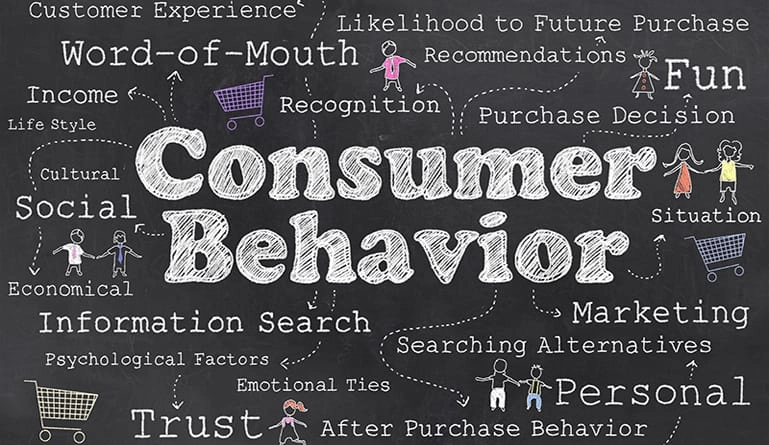
    Understanding consumer psychology is essential for crafting successful marketing strategies. This article delves into key psychological factors that influence consumer behavior.

    Cognitive Biases
    Anchoring Bias: Consumers rely heavily on the first piece of information encountered when making decisions.

    Loss Aversion: People are more sensitive to losses than gains, influencing decision-making.

    Social Influence
    Social Proof: Consumers are more likely to make a purchase if they see others doing the same.

    Scarcity: The perception of scarcity drives consumers to take action to avoid missing out.

    Emotional Triggers
    Nostalgia: Leveraging feelings of nostalgia can create a strong emotional connection with consumers.

    Fear of Missing Out (FOMO): FOMO can drive impulse purchases and engagement.

    Neuromarketing
    Neuromarketing combines neuroscience and marketing to understand how consumers’ brains respond to different stimuli. Techniques like eye-tracking and brain imaging provide insights into consumer preferences.

    Conclusion
    By understanding the psychological factors that drive consumer behavior, marketers can create more effective campaigns that resonate with their target audience.

  • Evolving Customer Expectations: Adapting Your Business to Serve Them

    Evolving Customer Expectations: Adapting Your Business to Serve Them

    In a rapidly changing business landscape, understanding and meeting customer expectations is crucial for success. This article explores how customer expectations are evolving and how businesses can adapt to stay competitive.

    The Evolution of Customer Expectations
    Advancements in technology and increased connectivity have led to higher expectations from customers. They now demand seamless experiences, personalized interactions, and instant gratification.

    Adapting to Changing Expectations
    Personalization: Use data-driven insights to offer tailored experiences and product recommendations.

    Omnichannel Presence: Be present on multiple platforms to provide consistent customer experiences across various touchpoints.

    Transparency: Build trust by being transparent about products, services, and company practices.

    The Role of Technology
    Emerging technologies such as AI, chatbots, and data analytics play a pivotal role in meeting customer expectations. They enable businesses to analyze customer behavior, automate tasks, and provide real-time support.

    Case Study: Amazon
    Amazon’s success is largely attributed to its customer-centric approach. The company’s use of data analytics, personalized recommendations, and fast shipping has set new standards for customer expectations.

  • Cybersecurity Best Practices: Protecting Yourself in a Digital World

    Cybersecurity Best Practices: Protecting Yourself in a Digital World

    In an increasingly digitized world, cybersecurity is paramount to protect sensitive information and ensure a safe online experience. This article outlines essential cybersecurity practices for individuals and businesses.

    Understanding Cybersecurity
    Cybersecurity involves protecting computer systems, networks, and data from theft, damage, or unauthorized access. It encompasses a range of measures, including encryption, authentication, and regular software updates.

    Common Cybersecurity Threats
    Malware: Malicious software, such as viruses, worms, and ransomware, can infect devices and compromise data.

    Phishing: Cybercriminals use deceptive emails to trick individuals into revealing personal information.

    Data Breaches: Unauthorized access to sensitive data, often resulting from weak security practices.

    Cybersecurity Best Practices
    Strong Passwords: Use complex passwords and consider multi-factor authentication for added security.

    Regular Updates: Keep software, operating systems, and antivirus programs up to date.

    Awareness Training: Educate users about phishing and other social engineering tactics.

    Business Considerations
    Businesses should establish comprehensive cybersecurity policies, conduct regular vulnerability assessments, and have incident response plans in place.

    The Role of Government and Regulations
    Governments worldwide are enacting cybersecurity regulations to ensure data protection and privacy. Familiarity with these regulations is vital for businesses and individuals alike.

    Conclusion
    As the digital landscape continues to expand, cybersecurity must remain a top priority. By adopting best practices and staying informed about emerging threats, individuals and businesses can mitigate risks and enjoy a safer online experience.

  • Smart Homes and IoT: Making Your Living Space Intelligent

    Smart Homes and IoT: Making Your Living Space Intelligent

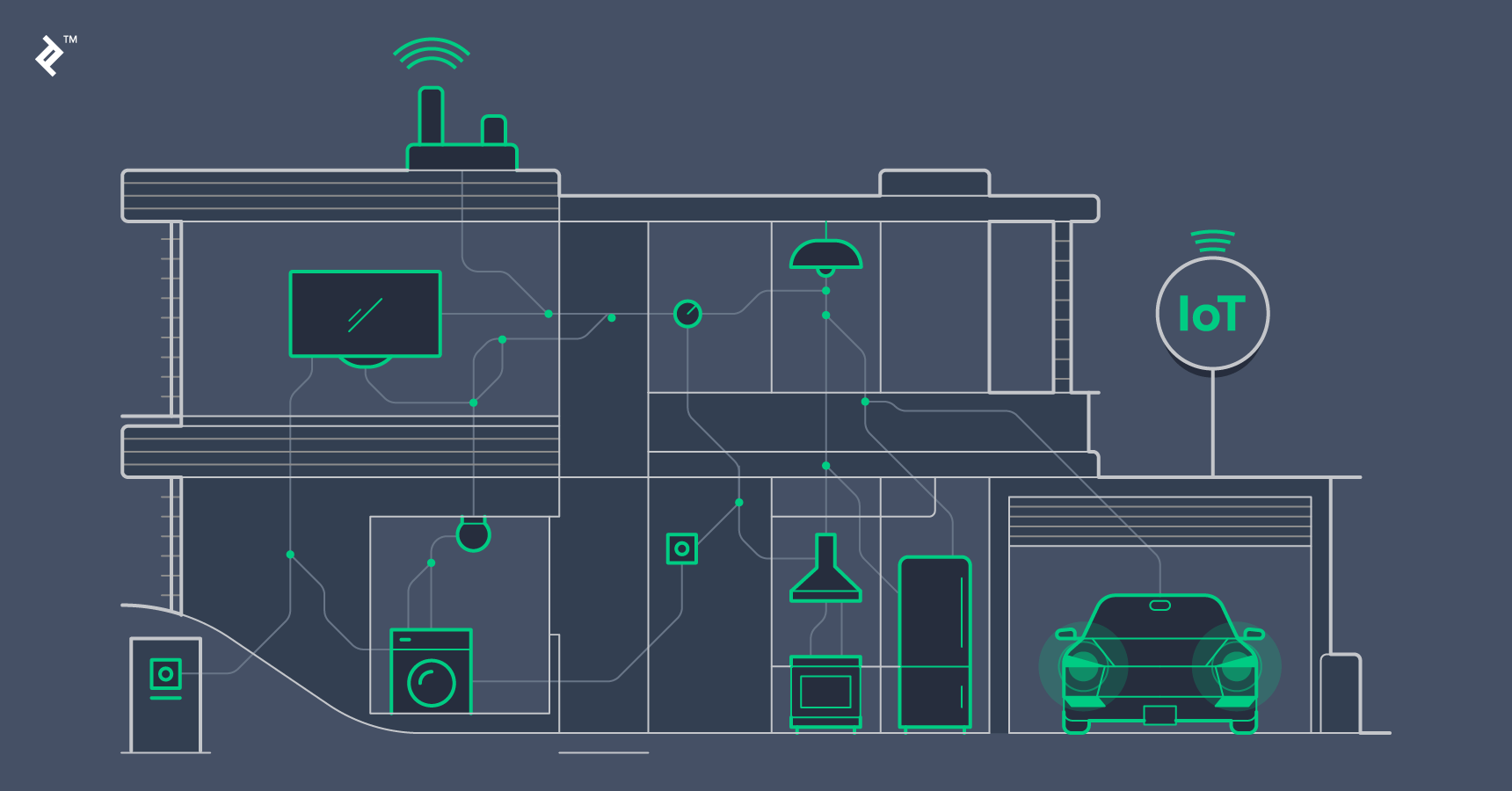
    The concept of the Internet of Things (IoT) has given rise to the era of smart homes, transforming traditional living spaces into intelligent, interconnected environments. This article delves into how IoT technology is revolutionizing the way we interact with our homes.

    The Evolution of Smart Homes
    Smart homes leverage IoT devices to automate and control various aspects of daily life, including lighting, temperature, security, entertainment, and more. These devices communicate with each other and can be controlled remotely through smartphones or voice assistants.

    Key Components of Smart Homes
    Smart Devices: These include smart thermostats, smart locks, smart appliances, and more, all designed to enhance convenience and efficiency.

    Connectivity: IoT devices connect to each other and the internet, enabling remote control and data exchange.

    Data Analysis: Smart homes collect data on user preferences and behavior, which can be used to optimize energy usage and enhance user experience.

    Benefits of Smart Homes
    Convenience: Automation of tasks such as adjusting lighting and thermostats makes daily life more convenient.

    Energy Efficiency: Smart devices can regulate energy consumption, reducing utility bills and environmental impact.

    Security: Smart home security systems offer real-time monitoring and alerts, enhancing home safety.

    Challenges and Considerations
    Privacy and security are significant concerns in smart homes. As devices collect sensitive data, protecting user information from breaches is crucial. Interoperability between different IoT devices and platforms also needs to be addressed.

    Future Trends
    The smart home market continues to grow, with innovations like AI-powered assistants and increased integration between devices. The future promises even more seamless, intelligent living spaces.

  • Localization and Internationalization in Software: Reaching Global Audiences

    Localization and Internationalization in Software: Reaching Global Audiences

    As technology connects people worldwide, software developers face the challenge of making their products accessible to diverse audiences. Localization and internationalization are two key strategies to ensure software resonates with users regardless of their language or cultural context.

    Understanding Internationalization and Localization
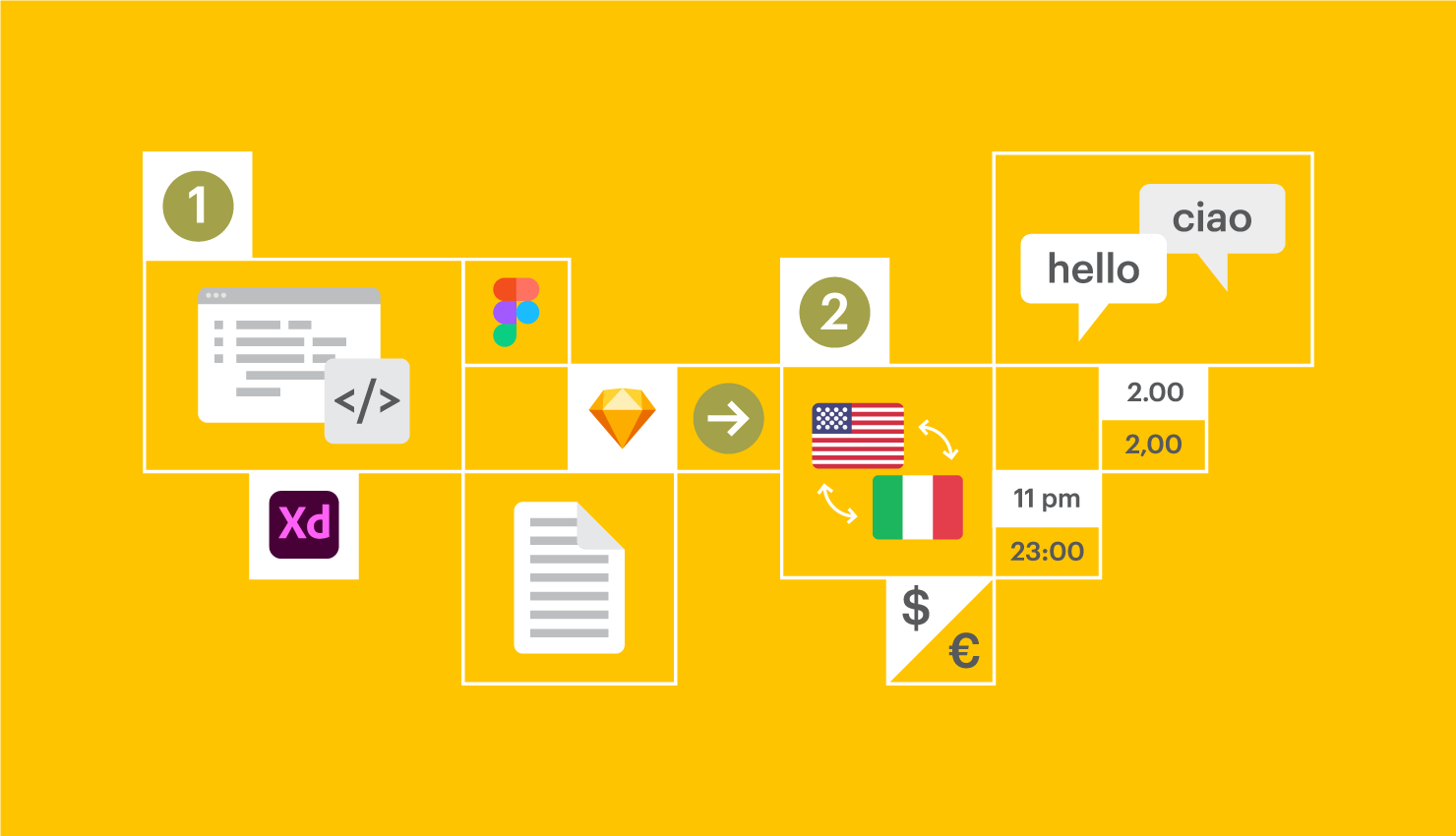
    Internationalization (often abbreviated as i18n) involves designing software in a way that makes it easy to adapt for different languages and regions. Localization (often abbreviated as l10n), on the other hand, is the process of customizing software to a specific locale by translating text, adjusting formats, and considering cultural nuances.

    The Importance of Localization
    Localization goes beyond translation. It ensures that software reflects the cultural norms, preferences, and expectations of users in various regions. This personalization enhances user experience, increases engagement, and fosters user trust.

    Steps in the Localization Process
    Content Extraction: Identifying all translatable elements in the software, such as text strings, images, and date formats.

    Translation: Converting the content into the target language while preserving meaning and context.

    Adaptation: Modifying content to fit the cultural context, which includes adjusting graphics, layouts, and potentially even functionalities.

    Testing and Quality Assurance: Rigorous testing to ensure that the localized software functions correctly and is free from linguistic or cultural errors.

    Challenges and Best Practices
    Localizing software can be complex due to linguistic and cultural differences. Some best practices include:

    Designing with Localization in Mind: Plan for text expansion or contraction during translation to prevent layout issues.

    Cultural Sensitivity: Be aware of cultural differences and avoid content that might be offensive or misunderstood in certain regions.

    Continuous Updates: Keep software up to date with new translations and cultural adaptations as the product evolves.

    Benefits of Internationalization
    Investing in internationalization from the start saves time and resources down the line. It allows for easier adaptation to new markets and faster deployment of localized versions.

    Conclusion
    In today’s interconnected world, software developers must prioritize internationalization and localization to create inclusive, user-centric products. By embracing these strategies, developers can overcome language and cultural barriers, ensuring their software resonates with global audiences.