Category: Health

  • Top 5 Innovations in Security & Facility Management for Chennai’s Healthcare Sector 

    Top 5 Innovations in Security & Facility Management for Chennai’s Healthcare Sector 

    Healthcare facilities stand as the backbone of society by saving lives, which is why their safety and smooth functioning leave no room for compromise. Chennai’s rapidly growing healthcare sector faces mounting challenges in managing security and operational efficiency. From patient safety to maintaining hygienic environments, healthcare professionals, facility managers, and security agencies continuously seek innovative solutions to address these demands. 

    This post dives deep into the top 5 innovations transforming security and facility management in Chennai’s healthcare sector. Whether you’re a healthcare professional, a decision-maker, or a facility manager, this guide will equip you with actionable insights to enhance safety and operational efficiency in your medical institutions. 

    Current Challenges in Security and Facility Management 

    Healthcare facilities are unique environments with complex needs that go beyond traditional security or operational requirements. Here are some of the sector’s pressing challenges in Chennai today: 

    • Staff Shortages: Insufficient staffing in both facility management and security roles can lead to lapses in patient care and safety. 
    • Visitor Management: Ensuring the smooth flow of authorized personnel while restricting unauthorized access to sensitive zones remains a critical issue. 
    • Hygiene Compliance: Maintaining high hygiene standards across large hospital spaces is resource-intensive and requires constant monitoring. 
    • Theft and Vandalism: Expensive medical equipment and sensitive patient data make healthcare facilities a target for theft or misuse. 
    • Emergency Preparedness: Handling critical emergencies, whether medical or security-related, demands both proactive systems and trained personnel. 

    Top 5 Innovations in Security and Facility Management 

    Here’s how cutting-edge technology and forward-thinking practices are helping tackle these challenges in Chennai’s healthcare facilities. 

    1. AI-Driven Video Surveillance 

    AI has revolutionized security in healthcare facilities, particularly through intelligent surveillance systems. 

    • Real-Time Threat Detection: AI-powered cameras equipped with facial recognition and behavior analysis monitor high-risk areas like ICUs and entry points, identifying potential security threats instantly. 
    • Remote Monitoring: Cloud-based central monitoring systems, such as Stalwart’s Intelisenz, allow 24/7 oversight of facilities, even from remote locations. 
    • Video Forensics: Searching for incidents across multiple camera feeds takes seconds, improving response times significantly. 

    By integrating AI-driven video surveillance with on-ground security personnel, healthcare facilities can reduce the likelihood of thefts, unauthorized access, and even ensure patient safety in real time.  

    2. Integrated Facility Management Platforms 

    Managing large spaces like hospitals demands automation. Integrated facility management solutions centralize operations by combining multiple features like housekeeping, hygiene audits, and asset tracking. 

    • IoT-Enabled Monitoring: Sensors track everything from water leakages in plumbing to air quality control in patient wards automatically. 
    • Automated Audits: Digitized checklist systems ensure compliance with standards, reducing the need for manual supervision. 
    • Data-Driven Decision Making: Analytics dashboards provide actionable insights to optimize energy consumption, inventory usage, and more. 

    Platforms like Stalwart’s facility management solutions help hospitals in Chennai streamline daily operations, ensuring operational efficiency. 

    3. Biometric and GPS-enabled Attendance Systems 

    Manpower management is key to ensuring smooth facility operations. Leveraging biometric and GPS-enabled tracking ensures all personnel are always accounted for. 

    • Efficient Payroll Management: By capturing precise attendance data, payroll inaccuracies are minimized. 
    • Location Tracking: GPS ensures teams, such as janitors or transport staff, are working at designated locations in real time. 
    • Enhanced Security: Access to restricted areas like pharmacies or data rooms can be limited only to verified staff using facial recognition tools. 

    This innovation not only reduces oversight but also boosts accountability among staff. 

    4. Aerial Drone Surveillance for Perimeter Security 

    Hospitals are sprawling campuses that require constant monitoring across indoor and outdoor areas. Aerial drones offer a modern, efficient solution for ensuring comprehensive surveillance. 

    • Wide Area Coverage: Drones can efficiently patrol car parking areas, building perimeters, and even open spaces between healthcare buildings. 
    • Emergency Response: Equipped with cameras and thermal imaging, drones can quickly detect intrusions or emergencies like fires. 

    Healthcare facilities across Chennai with larger footprints greatly benefit from surveillance drones, reducing the need for extensive manpower in outdoor security. 

    5. Robust Housekeeping Automation Tools 

    Cleanliness is non-negotiable in healthcare environments. Advanced housekeeping tools now integrate machines with software systems to maintain impeccable hygiene. 

    • Smart Cleaning Equipment: Automated cleaning robots ensure consistent results in high-traffic areas like lobbies and patient waiting rooms. 
    • Scheduled Maintenance: Digitized schedules ensure no area is left unchecked, thanks to task-tracking apps. 
    • Eco-Friendly Solutions: Hospitals are leaning toward reusable resources and non-toxic cleaning chemicals that meet sustainability goals while ensuring safety. 

    Integrating housekeeping technology into Chennai’s healthcare facilities helps hospitals achieve exceptional cleanliness standards efficiently, at scale. 

    Case Studies and Success Stories 

    1. Gleneagles Global Health City, Chennai 

    Gleneagles adopted AI-driven video surveillance systems to monitor entry-exit points, ensuring real-time alerts in case of possible intrusions. Combined with biometric attendance systems, these technologies elevated their patient and staff safety to a new standard. 

    2. Sankara Eye Hospital 

    Sankara’s use of drones for perimeter surveillance reduced manual patrolling costs, allowing their security team to focus on more critical, inside-the-premises monitoring. 

    3. CMC Vellore 

    CMC integrated IoT-enabled facility management tools to optimize energy consumption in ICUs and operating theaters. This not only improved operational efficiency but also significantly reduced costs over the long term. 

    Practical Tips to Implement Innovations for Your Facility 

    • Start small by trialing one innovation, such as AI surveillance, in high-priority zones before expanding to a wider area. 
    • Partner with an established service provider like Stalwart, which offers top and best security services company and facility management service company solutions tailored for healthcare. 
    • Conduct training workshops for employees to effectively use the new tools and technologies. 
    • Regularly review data and feedback from integrated systems to identify areas for improvement. 

    The Future of Security and Facility Management in Healthcare 

    Chennai’s healthcare sector is poised to see exponential advances in technology adoption over the next decade. Here’s what the future might hold: 

    • Greater reliance on predictive analytics to identify infrastructure risks before they arise. 
    • Wider adoption of robotics in facility management, from disinfection bots to automated meal delivery systems. 
    • Expanded uses of AI for patient monitoring and response during emergency situations. 

    Enhanced Security and Efficiency Starts With You 

    Healthcare safety and operational standards are not just necessities—they are investments in the lives and well-being of patients, professionals, and visitors. By adopting these innovative solutions, facilities in Chennai can set industry benchmarks for security and management excellence. 

    Partner with Stalwart for comprehensive, customized solutions. Stalwart provides top and best security agency and facility management service company services to industries including healthcare, covering cities like Bangalore, Hyderabad, Chennai, and Coimbatore. 

  • Why L Arginine Singapore & Myo Inositol Matter for Your Health

    Why L Arginine Singapore & Myo Inositol Matter for Your Health

    When it comes to health and wellness, finding the right supplements can feel like navigating a maze. If you’re based in Singapore and exploring options like L-Arginine or Myo-Inositol, you might be wondering: What do these supplements actually do? How can they benefit you? And where can you buy supplements online in Singapore? Let’s break it all down in an approachable, actionable way.

    What Is L-Arginine and Why Should You Care?

    L-Arginine Singapore: The Basics

    L-Arginine is an amino acid that plays a pivotal role in the body. Often referred to as a “building block of protein,” it’s essential for producing nitric oxide, a compound that helps relax blood vessels. This process can promote better blood flow, which is why L-Arginine is often linked to cardiovascular health and improved physical performance.

    Whether you’re a fitness enthusiast looking to boost your endurance or someone seeking better heart health, L-Arginine might have something to offer. It has also been noted for its potential benefits in managing blood pressure and supporting overall circulation.

    Pro Tip: Always look for high-quality L-Arginine supplements when shopping in Singapore. The source and formulation matter when it comes to effectiveness.

    Why You Should Consider Myo-Inositol

    Myo-Inositol Singapore: The Silent Hero

    Myo-Inositol is a lesser-known nutrient but one that deserves attention. Found naturally in fruits, beans, and nuts, it plays a role in cell signaling and the regulation of hormones. For individuals struggling with hormonal imbalances, such as those linked to polycystic ovary syndrome (PCOS), Myo-Inositol can be a game-changer.

    Many people turn to Myo-Inositol for its potential to improve ovarian function, regulate menstrual cycles, and even support fertility. Beyond reproductive health, it’s gaining traction as a supplement for enhancing mental clarity and mood, making it a versatile option for wellness seekers in Singapore.

    Did You Know? Myo-Inositol is often paired with D-Chiro-Inositol for a synergistic effect, especially in hormone-related concerns. When exploring supplements online, consider products with this combination for added benefits.

    Where to Buy Supplements Online in Singapore

    Shopping for supplements in Singapore has never been easier, thanks to a growing number of reliable online platforms. Whether you’re looking for L-Arginine or Myo-Inositol, there are several key factors to keep in mind when choosing where to shop:

    • Authenticity: Ensure the website you’re purchasing from offers genuine, high-quality supplements.
    • Transparency: Look for clear ingredient labels and certifications.
    • Convenience: Platforms that deliver quickly within Singapore can save you time and effort.

    Some popular sites offer curated selections of trusted brands, making it simpler to find the right product for your needs. If you’re unsure about where to start, consider reading reviews or seeking advice from professionals.

    How These Supplements Can Fit Into Your Health Goals

    For Fitness and Energy: L-Arginine

    If your goals include better physical performance or managing blood pressure, incorporating L-Arginine into your daily routine could be a step in the right direction. For fitness enthusiasts, taking L-Arginine before a workout may enhance endurance and muscle recovery.

    For Hormonal Balance and Mental Clarity: Myo-Inositol

    If hormonal health or mental well-being is your focus, Myo-Inositol can support you in achieving balance. Whether you’re managing PCOS, looking to enhance fertility, or simply aiming for better focus, Myo-Inositol offers a natural way to address these concerns.

    Precautions Before Starting Any Supplement

    While L-Arginine and Myo-Inositol offer promising benefits, they’re not one-size-fits-all solutions. If you have pre-existing medical conditions or are taking medications, consult your doctor first. Supplements are powerful tools but must be used with care to avoid unintended side effects or interactions.

    Your Next Steps

    Taking charge of your health doesn’t have to be overwhelming. Whether it’s L-Arginine for improved blood flow or Myo-Inositol for hormonal support, the right supplement can make a big difference.

    Tips for Success:

    1. Do Your Research: Understand what each supplement does and how it fits into your lifestyle.
    2. Consult a Professional: If in doubt, seek advice from a healthcare provider.
    3. Start Small: Begin with a lower dosage and gradually adjust based on your needs.
    4. Stay Consistent: Like any health routine, consistency is key to seeing results.

    By making informed decisions and sourcing your supplements wisely, you’ll be on your way to unlocking better health and vitality.

    Ready to get started? Explore reliable options to buy supplements online and take the first step toward a healthier you today.

    Final Thought

    L-Arginine and Myo-Inositol might not be the most talked-about supplements, but their potential benefits are too significant to ignore. Whether you’re looking to enhance physical performance, balance hormones, or simply explore new ways to feel your best, these nutrients offer a natural path forward.

    Investing in your health is one of the most empowering things you can do. Take action today, and don’t forget—your body and mind will thank you.

  • Stroke Rehabilitation: Steps to a Full Recovery

    Stroke Rehabilitation: Steps to a Full Recovery

    Stroke is one of the leading causes of disability worldwide, and its effects can be long-lasting, impacting movement, speech, cognition, and even emotional well-being. However, stroke recovery is possible, and with proper rehabilitation, many individuals can regain their independence and improve their quality of life. Stroke rehabilitation is a crucial part of the recovery process, aimed at helping patients regain lost functions, manage challenges, and rebuild strength after a stroke. In this article, we will explore the key steps in stroke rehabilitation and the therapies that play a vital role in supporting recovery.

    1. The Importance of Early Intervention

    The rehabilitation process begins as soon as the patient’s condition stabilizes, usually within the first few days to weeks after a stroke. Early intervention is critical for achieving the best possible outcomes in stroke recovery. Research shows that the brain is particularly responsive to rehabilitation in the early stages following a stroke, which is why starting therapy as soon as possible is essential.

    During the initial phase, medical staff will monitor vital signs and address any immediate health concerns. Once the patient is stable, a rehabilitation plan tailored to their specific needs will be developed. This plan typically involves a team of specialists, including orthopedist Sofia, physical therapists, occupational therapists, speech-language pathologists, and psychologists, who collaborate to address the physical, cognitive, and emotional aspects of recovery.

    2. Physical Therapy: Regaining Mobility and Strength

    One of the most common consequences of a stroke is impaired motor function. Physical therapy (PT) is one of the most important components of stroke rehabilitation, aimed at improving mobility, strength, and balance. Stroke survivors often experience weakness, paralysis, or difficulty coordinating movements, particularly on one side of the body.

    Physical therapists use a variety of exercises and techniques to help patients rebuild strength and increase their range of motion. This may include:

    • Strengthening exercises: Targeting specific muscles to improve mobility and support joint function.
    • Balance training: Helping patients regain their ability to balance and prevent falls, which are a common concern after a stroke.
    • Gait training: Teaching patients how to walk again, using assistive devices like walkers or canes if necessary.

    Relearning basic movements such as sitting, standing, or walking often takes time, but with consistent therapy and practice, many stroke patients make significant progress.

    3. Occupational Therapy: Regaining Daily Function

    Occupational therapy (OT) is another vital component of stroke rehabilitation, focusing on helping patients regain the skills needed for daily living. After a stroke, individuals may experience difficulty with tasks such as dressing, bathing, cooking, or managing personal hygiene. Occupational therapists work with patients to improve their ability to perform these tasks independently, using adaptive strategies or tools.

    Occupational therapy may involve:

    • Fine motor skill exercises: Improving dexterity and hand-eye coordination for tasks like writing, buttoning clothes, or using utensils.
    • Adaptive devices: Providing tools like specialized utensils, grab bars, or modified furniture to assist with daily activities.
    • Cognitive and visual training: Working on memory, attention, and visual-spatial skills, especially if the stroke has affected cognitive functions.

    By improving patients’ ability to perform daily tasks, occupational therapy enhances independence and confidence, which are crucial for mental well-being during recovery.

    4. Speech Therapy: Overcoming Communication Barriers

    Stroke can have a profound impact on speech and communication. A common condition after a stroke is aphasia, a language disorder that affects the ability to understand or produce speech. Speech-language pathologists (SLPs) work with stroke survivors to address these challenges and improve communication skills.

    Speech therapy for stroke patients often involves:

    • Speech exercises: Helping individuals regain the ability to speak clearly or understand language. This may involve exercises for articulation, voice control, and language comprehension.
    • Swallowing therapy: Many stroke patients have difficulty swallowing (dysphagia), which can lead to choking or aspiration. SLPs use specialized techniques to help improve swallowing function.
    • Cognitive-communication therapy: Addressing issues such as memory, attention, problem-solving, and social communication, which can be affected by strokes that impact cognitive function.

    Speech therapy not only helps patients communicate more effectively but also boosts their confidence, allowing them to interact more freely with family, friends, and the community.

    5. Psychological Support: Addressing Emotional Well-being

    Recovery from a stroke can be emotionally challenging. Many stroke survivors experience depression, anxiety, or frustration due to the physical and cognitive limitations they face. Psychological support, including counseling and therapy, is crucial in helping individuals cope with the emotional toll of a stroke and adjust to their new reality.

    Psychological support may involve:

    • Individual counseling: Helping stroke survivors process their emotions, grief, and changes in lifestyle. This can also help address feelings of isolation, which are common among people recovering from a stroke.
    • Family therapy: Educating family members about the emotional and physical changes that may occur after a stroke. Family support is crucial for encouraging motivation and helping patients with the rehabilitation process.
    • Cognitive behavioral therapy (CBT): A form of therapy that helps individuals manage anxiety, depression, and stress, improving overall emotional resilience during the recovery process.

    By addressing the psychological aspect of recovery, stroke survivors are better able to navigate the challenges they face and improve their overall quality of life.

    6. Long-Term Rehabilitation and Lifestyle Adjustments

    Stroke rehabilitation is an ongoing process that can last for months or even years. While many patients make significant progress during the initial months of therapy, long-term rehabilitation is often necessary to maintain and further improve mobility, independence, and emotional well-being. In addition to formal therapy, stroke survivors may benefit from incorporating certain lifestyle adjustments into their daily routines.

    • Exercise: Regular physical activity, tailored to the individual’s abilities, can help maintain strength, flexibility, and cardiovascular health. Simple activities like walking or swimming can be part of an effective long-term rehabilitation plan.
    • Diet and Nutrition: A healthy diet plays a critical role in stroke recovery by promoting brain health and preventing further cardiovascular events. Stroke survivors should work with healthcare providers to ensure they’re eating a balanced diet that supports their recovery.
    • Monitoring Health Conditions: Stroke survivors are at higher risk of future strokes, so managing conditions like high blood pressure, diabetes, and high cholesterol is essential for preventing recurrence.

    7. Set Realistic Goals and Celebrate Progress

    Recovery from a stroke can be a slow and challenging process, but setting realistic, achievable goals can help motivate patients and their caregivers. Whether it’s regaining the ability to walk independently, return to work, or simply perform daily tasks without assistance, celebrating small milestones is important in maintaining a positive outlook.

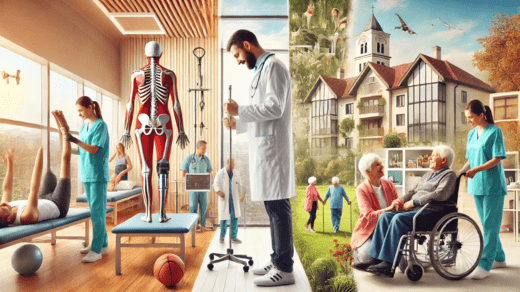
    Stroke rehabilitation is a multifaceted process that involves physical, occupational, speech, and emotional therapies. The goal is to help patients regain independence, improve quality of life, and adapt to their new circumstances. With early intervention, the right therapies, and ongoing support, stroke survivors can make significant strides toward recovery. While the journey may be long, many individuals are able to lead fulfilling and independent lives after a stroke, with the right rehabilitation and support system in place. In homes for elderly Varna there are specialists who help old people. 

  • The Benefits of Physiotherapy After Stroke: Regaining Strength and Mobility

    The Benefits of Physiotherapy After Stroke: Regaining Strength and Mobility

    A stroke can have a significant impact on an individual’s life, often leading to long-term physical, emotional, and psychological challenges. However, with proper treatment and rehabilitation, many stroke survivors can regain strength, mobility, and independence. Post-stroke physiotherapy plays a critical role in the rehabilitation process, helping individuals rebuild physical function and improve their overall quality of life. In this article, we will explore the benefits of physiotherapy after stroke, focusing on how it helps patients regain mobility and strength, and the importance of early intervention in stroke rehabilitation.

    1. Restoring Movement and Function

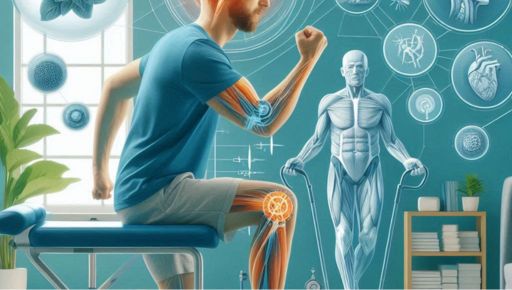
    One of the most important goals of post-stroke physiotherapy is to help patients regain mobility. After a stroke, patients may experience weakness, paralysis, or limited range of motion, particularly on one side of the body. Physiotherapists work with stroke survivors to improve muscle strength and coordination, which are essential for basic movements such as walking, sitting, standing, and performing everyday tasks.

    • Targeted Exercises: Physiotherapists design personalized exercise plans to strengthen the muscles that have been weakened by the stroke. These exercises help to rebuild muscle mass, improve balance, and enhance overall movement function.
    • Motor Relearning: For many stroke patients, the brain must “relearn” how to send signals to muscles. Physiotherapy helps to stimulate these pathways, often through repetitive motion exercises that encourage neuroplasticity, allowing the brain to adapt and regain some of its lost abilities.

    2. Improving Balance and Coordination

    After a stroke, balance and coordination can be significantly affected, making everyday tasks like walking, climbing stairs, or even standing up from a chair difficult. Physiotherapy plays a key role in improving balance, reducing the risk of falls, and helping individuals move more confidently.

    • Balance Training: Physiotherapists use exercises and techniques specifically designed to improve balance, such as standing on one leg, walking heel-to-toe, and practicing weight shifts. These activities help stroke survivors rebuild their confidence and reduce the fear of falling.
    • Coordination Exercises: Stroke often impacts the ability to coordinate different movements of the body. Physiotherapists guide patients through activities that challenge their coordination, such as reaching, grasping, or fine motor tasks, which gradually improve the coordination between the brain and muscles.

    3. Pain Management and Reduction of Spasticity

    Many stroke survivors experience pain due to muscle tightness, joint stiffness, or spasticity (muscle spasms). Post-stroke physiotherapy not only focuses on improving movement but also on managing pain and reducing spasticity, which can limit a person’s ability to move freely and comfortably.

    • Stretching and Mobilization: Stretching exercises and joint mobilization techniques are commonly used by physiotherapists to relieve tension in muscles and improve flexibility. This can help alleviate discomfort and restore mobility in the affected areas.
    • Heat and Cold Therapy: Physiotherapists often use heat and cold treatments to reduce inflammation and pain. These therapies can help relieve muscle spasms and provide temporary relief from the discomfort that often follows a stroke.

    4. Enhancing Cardiovascular Health

    Stroke survivors are at an increased risk of cardiovascular problems, and physiotherapy can also help improve cardiovascular health, which is essential for overall recovery. Physiotherapists encourage low-impact aerobic activities such as walking, cycling, or swimming to improve circulation, stamina, and heart health.

    • Aerobic Exercise: Regular aerobic exercises help strengthen the heart and lungs, improve circulation, and reduce the risk of future strokes. As patients gain strength and mobility, physiotherapists can gradually increase the intensity of exercises to match their progress.
    • Breathing Exercises: Stroke survivors may experience difficulty with breathing, particularly if they have lung complications or poor physical stamina. Breathing exercises are often included in physiotherapy programs to improve respiratory function and reduce fatigue.

    5. Psychological Benefits and Motivation

    The physical benefits of post-stroke physiotherapy are significant, but the psychological impact should not be overlooked. Many stroke survivors experience feelings of frustration, depression, and anxiety, particularly when progress is slow. Physiotherapists not only provide physical treatment but also emotional support, encouraging patients throughout their recovery journey.

    • Boosting Confidence: As stroke survivors regain strength and mobility, their confidence and self-esteem improve. Physiotherapists work with patients to set achievable goals, celebrate progress, and motivate them to stay engaged in their rehabilitation process.
    • Emotional Support: Physiotherapists often serve as emotional support for patients, providing encouragement and guidance to help them stay positive and focused. This support can make a significant difference in a patient’s outlook and their overall commitment to rehabilitation.

    6. Personalized Rehabilitation Plans

    One of the most important aspects of stroke rehabilitation is that each patient’s recovery journey is unique. Post-stroke physiotherapy is personalized to meet the specific needs of the patient, taking into account the severity of the stroke, the areas affected, and the patient’s goals for recovery.

    • Tailored Exercises: Physiotherapists assess the patient’s physical capabilities and create a customized rehabilitation plan that focuses on their individual needs. These plans are adjusted as the patient progresses to ensure continuous improvement.
    • Ongoing Monitoring: Physiotherapists closely monitor patients’ progress and adjust exercises accordingly. This ongoing assessment ensures that recovery is on track and that the patient is receiving the most effective treatment possible.

    Physiotherapy and rehabilitation after stroke is essential for helping survivors regain strength and mobility. It plays a crucial role in improving movement, balance, coordination, and overall quality of life. By offering personalized, patient-focused care, physiotherapy empowers stroke survivors to rebuild their physical abilities, manage pain, and increase independence. The benefits of stroke rehabilitation extend beyond physical recovery, also addressing emotional and psychological well-being to help patients stay motivated and positive throughout their journey. If you or a loved one is recovering from a stroke, post-stroke physiotherapy can be an invaluable part of the recovery process, providing the tools and support needed to achieve a higher quality of life. In the hospices it is important to have a doctor orthopedist or physiotherapist. 

  • Different pain management techniques used by specialists

    Different pain management techniques used by specialists

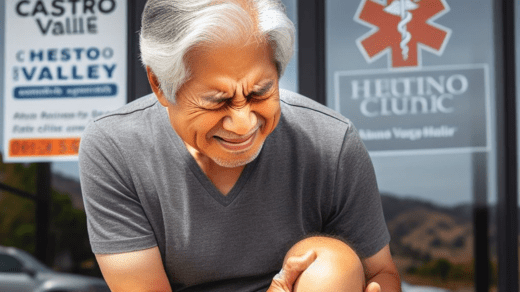
    Imagine walking down the vibrant streets of Castro Valley. Suddenly, a sharp pain shoots through your knee, stopping you in your tracks. This isn’t a new sensation. It’s been creeping up on you for weeks, months even. You’ve tried to ignore it, but it’s time to confront the truth. Castro Valley knee pain is not just a temporary discomfort. It’s a reality many people live with every day. Now, let’s dive into the world of pain management techniques employed by specialists to combat this. These strategies offer a beacon of hope to those grappling with chronic discomfort, showing that pain-free living may not be an unattainable dream.

    The Power of Physical Therapy

    Imagine a world where movement is your medicine. In the realm of physical therapy, this is a reality. Therapists use a variety of techniques – from strength training to gentle stretching – to help patients regain mobility. It’s hard work, but the rewards are immense. Imagine the joy of walking pain-free through Castro Valley, your knee no longer a hindrance.

    The Promise of Pain Medications

    Medication is a powerful ally in the fight against pain. There are a variety of options available, from over-the-counter solutions to prescription drugs. It’s like having an arsenal of weapons at your disposal, each with its unique strengths. But remember, these are not a cure-all. They work best in conjunction with other pain management techniques.

    The Miracle of Mindfulness

    Imagine your mind as a powerful tool in managing your knee pain. Mindfulness teaches us to live in the moment, and to focus on what’s happening right now, not the pain that may come later. It’s like a quiet whisper amidst the chaos, reminding you that you are more than your pain.

    The Wisdom of Lifestyle Changes

    Small changes can have a big impact. Something as simple as losing weight or wearing supportive shoes can significantly reduce knee pain. It’s like planting a seed – with time and care, it can grow into something beautiful. In this case, a life free of knee pain.

    The Science of Surgical Intervention

    For some, surgery may be a viable option. Imagine a world where your pain is a distant memory, thanks to the skill of a surgeon. It’s a drastic step, but for those suffering from severe knee pain, it can be a game-changer.

    Castro Valley knee pain doesn’t have to define your life. With the right pain management techniques, a world of comfort awaits. It won’t be easy, but the destination is worth the journey. Imagine a world without pain, a world where walking down the streets of Castro Valley is a pleasure, not a punishment. That world is within your reach.